Emerging technologies: How to close, not widen, divides


AI and quantum computing, along with advances in satellite connectivity, could expand digital opportunities globally. But will they?
Artificial intelligence (AI) and advanced connectivity are reshaping economies and societies all over the world. But the value of technologies for each country will depend on who enjoys access, who steers ongoing innovation and who can reap the benefits.
The International Telecommunication Union (ITU) aims for technologies to help close the world’s greatest divides rather than spawning new, deeper ones.
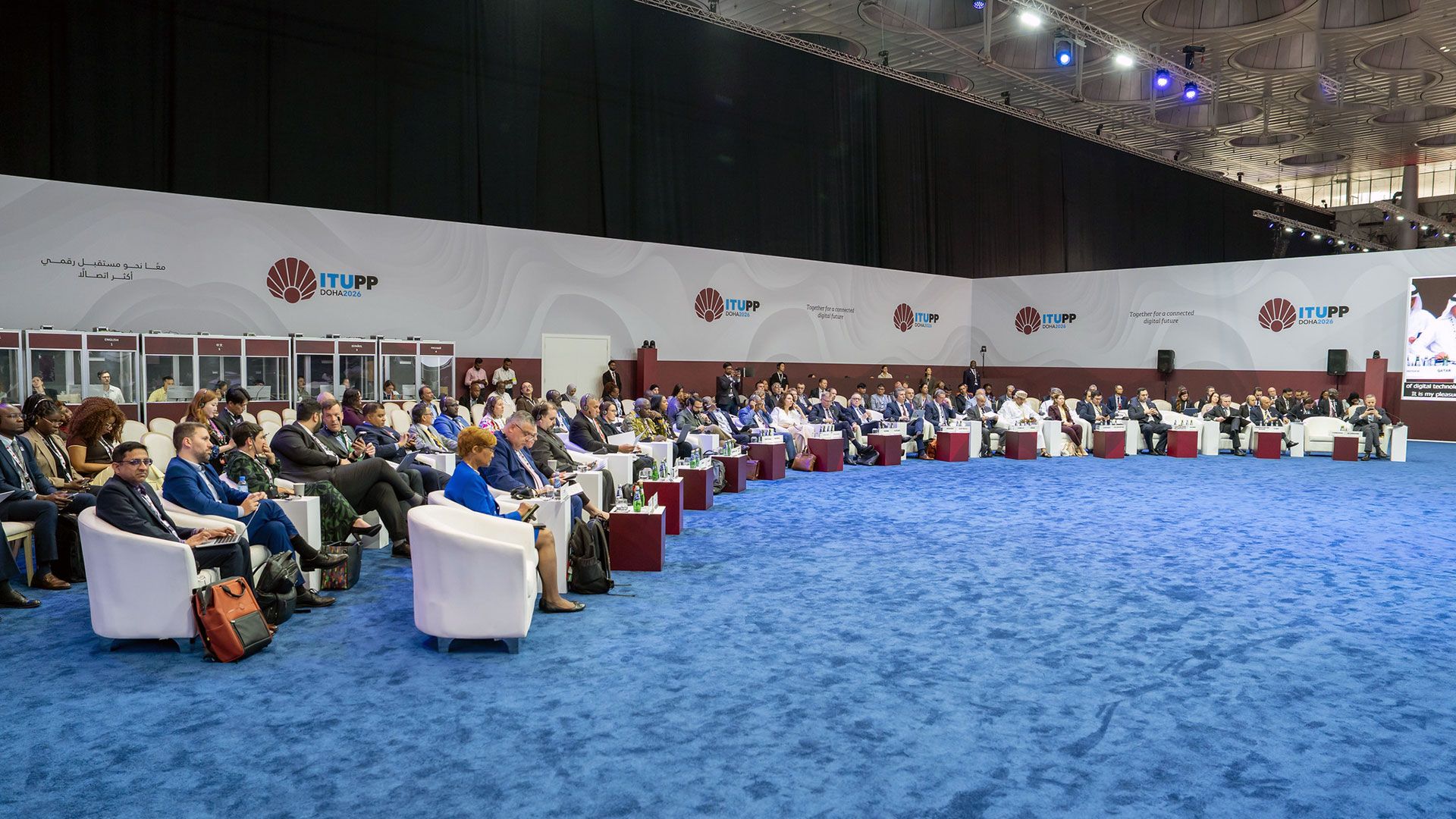
At a ministerial discussion on 11 November, high-level delegates at ITU’s Plenipotentiary Conference (PP-26) considered long-standing issues about radio-frequency spectrum, technical standards and connectivity alongside far-reaching questions about the implications of AI.

Session host Mario Maniewicz, Director of ITU’s Radiocommunication Bureau, distilled the challenge into four areas: access, innovation, trust and cooperation.
Noting how AI, the Internet of Things (IoT) and accelerating innovation were reshaping the landscape for everyone, he asked: “Will these technologies narrow the digital divide or widen it?”
From connectivity to capability
Network access alone does not ensure that countries can make full use of it.
Co-moderator Bikram Timilsina, Nepal’s Minister of Information and Communication, highlighted the need for digital skills, locally relevant AI applications and direct involvement in global standards-setting.
“Developing countries must move from being technology consumers to technology contributors,” he said.
Paula Ingabire, Rwanda’s Minister of Information and Communication Technology and Innovation, focused on turning emerging technologies into a development opportunity.
“We need to move from universal connectivity to universal capability,” she said.
Extending coverage beyond cell towers
The ITU session also featured perspectives from the satellite industry.
Isabelle Mauro, Director General of the Global Satellite Operators Association (GSOA), noted that terrestrial mobile networks still cover only about 20 per cent of the Earth’s landmass, concentrated in higher-income countries and dense urban areas, leaving many communities without coverage.
“This is where satellite communications play an essential role,” she said.
Regulatory frameworks must catch up with these realities, Mauro added.
Terrestrial operators can build a network within a clearly defined national market. Satellite operators, by contrast, make far larger upfront investments – and need access to multiple markets to earn sufficient returns.
Gonzalo De Dios, Acting Head of Global Regulatory Affairs at Amazon LEO, underscored how satellite connectivity extends beyond existing grids and keeps working when other infrastructure gets disrupted. “It’s happening now,” he said.
De Dios urged countries to invest in people, share know-how and develop local expertise. At the same time, he cautioned against allowing rapid technological change to blur ITU’s role as custodian of the world’s shared radio-frequency spectrum and satellite orbit resources.
“Clarity of mandate is not a limitation,” he said. “It’s important to stay true to ITU’s core mandate.”
Building trust alongside innovation
National representatives noted challenges and opportunities around quantum technologies, cybersecurity, blockchain and next-generation networks. Many stressed the need for human oversight of AI and technology-neutral regulation, along with inclusive standard-setting and knowledge-sharing.
Several warned that unequal capacity to deploy and govern new technologies would deepen today’s inequalities.
One representative from an advanced European economy warned about the transition to quantum-secure communications: “If quantum security is left only to those with greatest resources, we create a new divide with even greater risks.”
Another, from a developing economy in Asia, noted: “AI’s future is not predetermined. It will be shaped by our collective governance today.”
Those questions of access, interoperability and international coordination will remain central as governments and industry prepare for ITU’s next World Radiocommunication Conference (WRC-27), with a heavy focus on spectrum issues related to space and satellite networks.
Image credits: ITU/M. Fiyas
