Sessions on AI tools for identifying infrastructure gaps and improve affordable connectivity during ITU training on telecommunications infrastructure in relation to the BDT School Connectivity Project
11 March 2026, Maputo, Mozambique
Supported by the Project 9GLO23134 - Assistance to encourage the use of innovative technologies for building a digital shared prosperity society, the sessions outlined how to leverage artificial intelligence and data‑driven tools to support telecommunication infrastructure development and affordable connectivity in developing countries, in line with WTDC-25 Resolution 91. They showcase practical AI applications including APIs for automated digital infrastructure gap analysis (such as assessing proximity to backbone fibre networks), integration of AI agents through the Model Context Protocol (MCP).
Also, mac
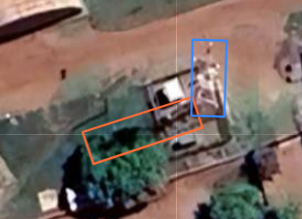
hine‑learning‑based detection of telecommunication towers using satellite imagery, and a Retrieval‑Augmented Generation (RAG) chatbot providing access to curated ITU ICT infrastructure data and guidelines. The sessionss also highlight open‑source, interoperable approaches, capacity‑building activities, and related initiatives such as AI‑powered advisory services for agriculture, emphasizing
AI’s role as a strategic enabler for evidence‑based policymaking, infrastructure planning, and universal connectivity
| |
| Session 1. AI tools for identifying infrastructure gaps and improve affordable connectivity |
| |
| Session 2. AI for ICT infrastructure development through Machine Learning: Theory. |
| Session 3. AI for ICT infrastructure development through Machine Learning 1: Practice Training Part: - Labeling: - ML labeling app (https://bbmaps.itu.int/ml-label) - ML labeling QGIS exercise - Machine Learning training - - Quality assessment
|
| |