Dr Archana G. Gulati, Deputy to the Director, Telecommunication Development Bureau (BDT), ITU

Dr Archana G. Gulati is Deputy to the Director of the ITU’s Development Bureau. With over 34 years of experience in policy making and regulation, she specialises in universal service, digital transformation, regulation of frontier technologies and competition regulation. Her journey began as an Indian Civil Services officer (1989 batch), and she continued to excel in her field after taking voluntary retirement in 2021. Her career milestones include serving as the Director, Public Affairs and Policy at Google, India, until October 2022.
Dr Gulati's academic journey is marked by her pursuit of excellence. She holds a BA Honours in Economics from Lady Sri Ram College, University of Delhi, an LLM (Telecom & IT law) from the University of Strathclyde, UK, and a PhD. from the Indian Institute of Technology, Delhi.
Her various posts in the Indian government include Advisor (Digital Communications) at the National Institute for Transforming India (NITI Aayog), Senior Deputy Director General / Officer on Special Duty to the Chairperson of the Telecom Commission of India, and Advisor and Head of the Combinations (M&A) Division at the Competition Commission of India. She has also held the position of Financial Advisor to the National Disaster Management Authority of India. Prior to joining the ITU, she was a professor of digital regulation at leading public policy and business schools in India. She has also previously served as an expert with the International Telecommunications Union.
Mr David Jensen, Regional Digital Transformation Programme Coordinator, UNEP
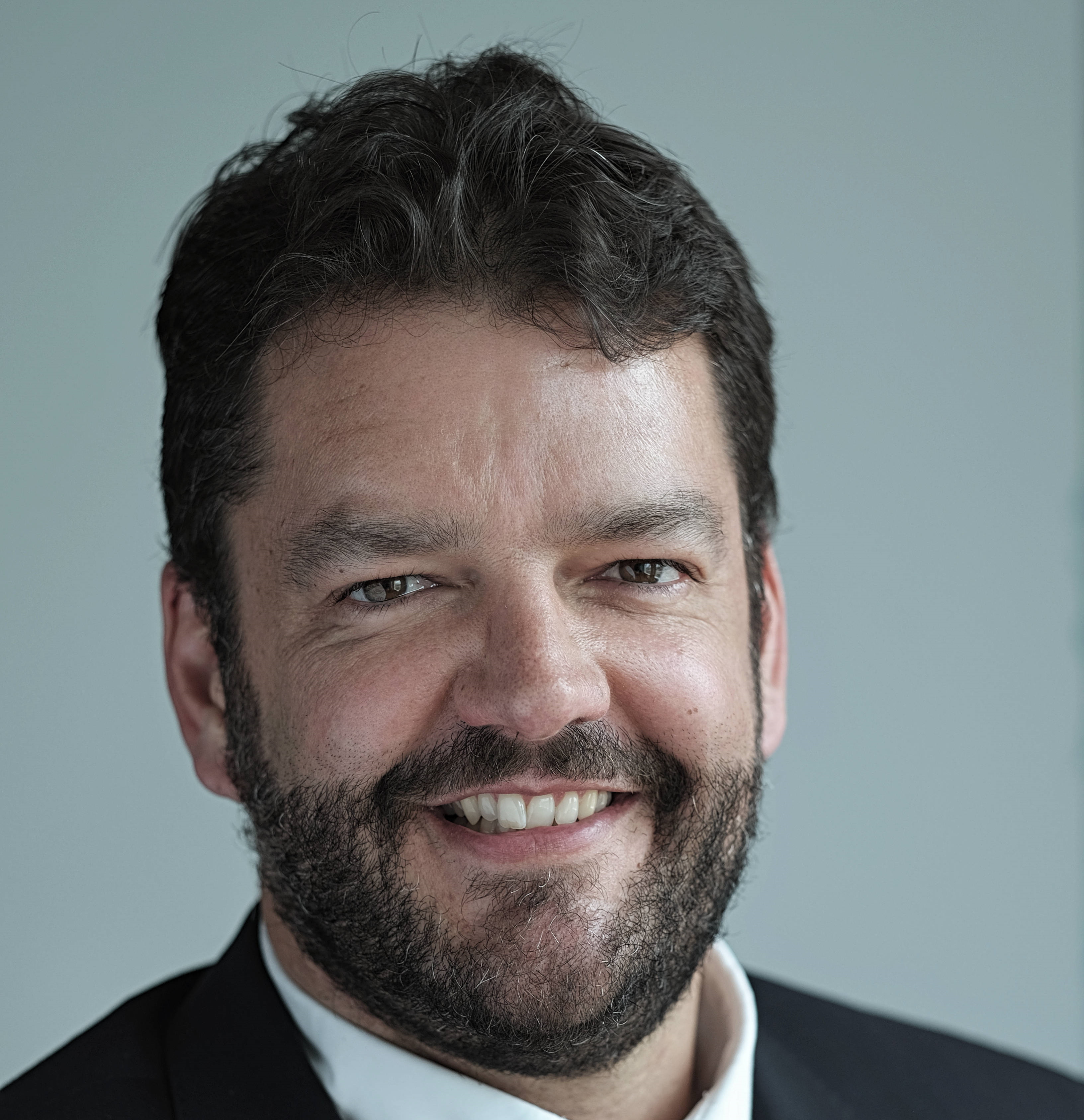
David Jensen is the Regional Coordinator for the Digital Transformations programme of UNEP, covering North America and Europe. In this role, he is responsible for advancing UNEP’s work on climate stability, nature protection, and pollution prevention through the strategic use of data and digital technologies, including artificial intelligence.
David played a key role in establishing the Coalition for Digital Environmental Sustainability (CODES) as part of the United Nations Secretary-General’s Roadmap for Digital Cooperation. Since 2018, he has also served as an advisor on digital sustainability to the UN Science-Policy-Business Forum on the Environment and is the co-author of the influential discussion paper “The Case for a Digital Ecosystem for the Environment”.
He has co-founded several pioneering digital platforms, including STRATA, MapX, Earth School, AI for the Planet, the UN Biodiversity Lab, and the Environmental Peacebuilding Platform. His most recent initiative is an e-learning programme for the UN System Staff College entitled “Digital4Sustainability”.
Before shifting his focus to digital transformation, David worked extensively at the intersection of natural resources, environmental degradation, and climate change—addressing these issues both as drivers of conflict and as opportunities for collaboration and peacebuilding among divided communities and countries.
Mr Thomas Ebert, Policy Analyst – Seconded National Expert, DG CONNECT, European Commission

Thomas Ebert has been working for the German Environment Agency since 2018 as Research and Policy Officer in product policy and circular economy. In September 2023 he joined DG CONNECT at the European Commission as a Seconded National Expert focusing on the sustainable and digital twin transition.
Ms Anita Batamuliza Hodari, Senior Officer of ICT Projects, Rwanda Utilities Regulatory Authority
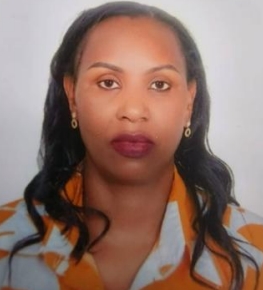
Ms Anita Hodari has been serving at the Rwanda Utilities Regulatory Authority (RURA) since 2009. She currently holds the position of Senior Officer in charge of ICT Projects, a role that is instrumental in managing and coordinating key ICT initiatives across the institution. Her responsibilities include the implementation of the Extended Producer Responsibility (EPR) principle for the effective management of Waste Electrical and Electronic Equipment (WEEE) in Rwanda. Ms Hodari previously led RURA’s efforts in E-waste management, where she played a pivotal role in shaping regulatory frameworks and promoting sustainable practices. She holds a Bachelor’s Degree of Technology in Computer Science from the Royal Melbourne Institute of Technology (RMIT), and a Master of Science in Operational Communications (MOC). Ms Hodari actively contributes to regional and international policy and standardization efforts. She currently serves in the following capacities: Chairperson, Working Group 7 on E-Waste Management and Green ICTs, East African Communications Organization (EACO); Associate Rapporteur, ITU-T Study Group 5 on Environment and Climate Change; National Focal Point, EPR Project for Rwanda, supported by ITU/UNEP; Participant, ITU-T Study Group 5. Her contributions continue to shape Rwanda's and the region's approach to green ICT and sustainable electronic waste management and ICT projects in general.
Dr George Patrick Ah-Thew, Senior Programme Officer, Directorate of Infrastructure, ICT Sector, SADC Secretariat

Dr George Patrick Ah-Thew is the Senior Programme Officer (SPO) ICT in Directorate of Infrastructure at the Southern African Development Community (SADC) Secretariat. He is based at the SADC Headquarters in Gaborone, Botswana and joined the Institution in June 2011. As the SPO ICT, he works in close collaboration with SADC ICT Implementing Agencies, namely Communications Regulators' Association of Southern Africa (CRASA), Southern Africa Telecommunications Association (SATA) and Southern Africa Postal Operators Association (SAPOA) on SADC prorgammes relating to the Harmonisation of ICT Policy, Regulatory and Strategic frameworks, Digital Transformation, Cybersecurity, Computer Incident Response Teams (CIRTs), Internet Exchange Points (IXPs), SADC ICT Observatory, SADC Regional ICT Center of Excellence (CoE), Internet Governance, National Emergency Telecommunications Plan (NETP), SADC Shared Satellite Communications System, preparations and support on common positions on the region’s ICT priorities for continental and International fora and also in establishing joint programming with Implementing Agencies and International Cooperating Partners (ICPs).
He has worked closely with the International Telecommunication Union (ITU) Telecommunication Development Sector (BDT) in the development of the SADC Model NETP and with the ITU Radiocommunications Bureau (BR) in developing the SADC Shared Satellite Network.
The SADC SPO ICT who has over 25 years working in the ICT Sector. He is a specialist in satellite communications and in December 2023 he received an Award from the African Telecommunications Union (ATU), honouring his role in supporting SADC Member States in the recovery of national Broadcasting Satellite Services (BSS) resources at the World Radiocommunications Conference 2023 (WRC-23). He also received an award from AfricaCERT for the work he has done on Cybersecurity in Africa.
Dr Ah-Thew received his education at McMaster University, Hamilton, Ontario, Canada with a Ph. D. in Electrical Engineering and a Bachelor’s in Electrical Engineering Degree in 1998 and 1992, respectively. Dr. Ah-Thew worked from October 1998 to September 2009 as the Director General for Telecoms at the Ministry responsible for ICT in his home country, the Seychelles. He moved on later into academia, where he was the Dean of the Faculty of Sciences at the University of Seychelles from October 2009 until May 2011, when he joined SADC Secretariat.
Mr Garam Bel, Circular Economy Coordinator, ITU
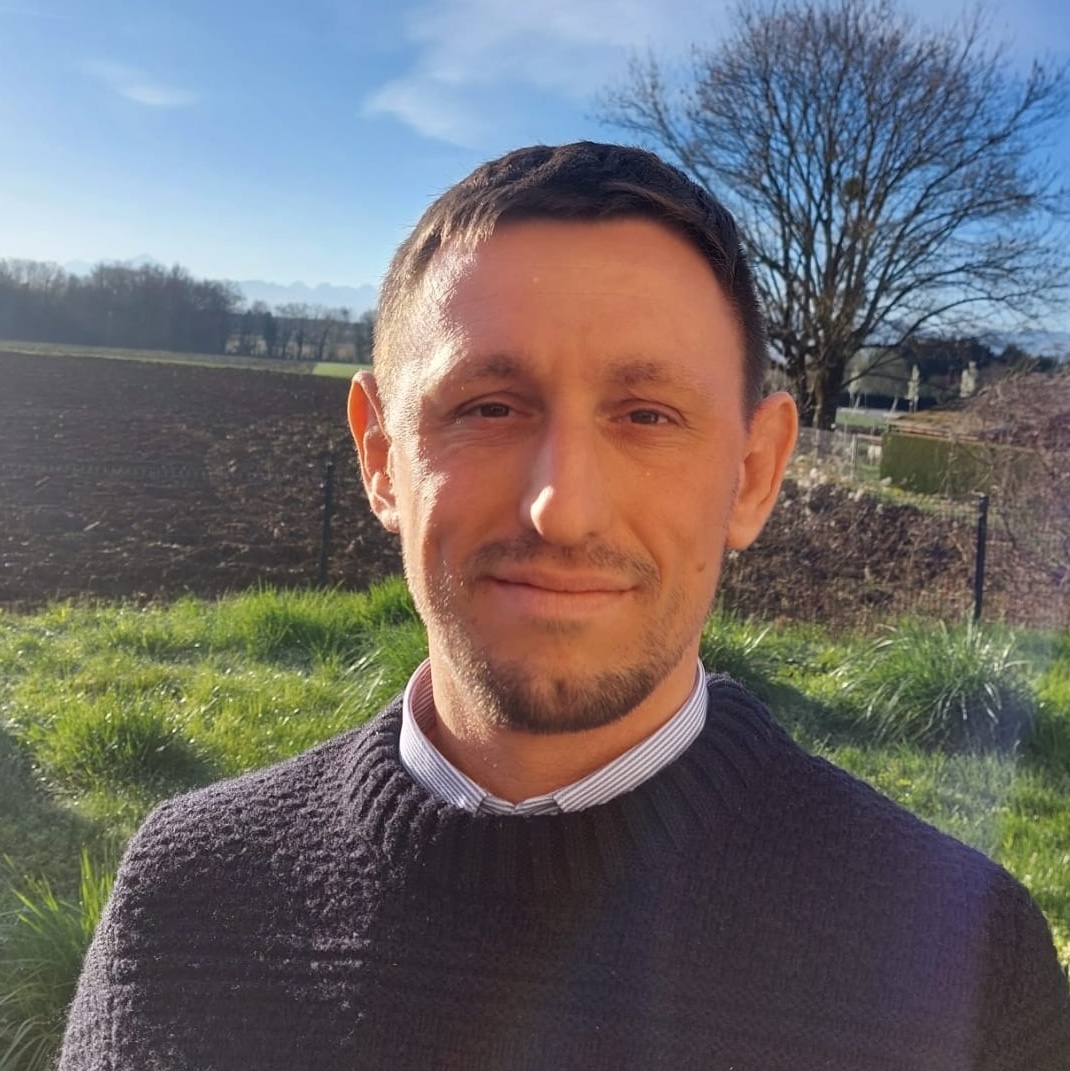
Garam Bel is the Circular Economy Coordinator for the Telecommunication Development Bureau (BDT) of the International Telecommunication Union based in Geneva. He coordinates the electronic waste projects in BDT covering regulatory development and data collection. Prior to joining ITU, he worked for the Environment Management Group which is a United Nations system-wide coordination body on environment and human settlements. In this position, he ran activities towards streamlining the various electronic waste-related initiatives of UN agencies and programmes. Before moving to Geneva, Garam worked for local government in Scotland in the area of municipal solid waste. He holds a master’s degree in Standardization, Social Regulation and Sustainable Development from the University of Geneva.
Mr Peiliang Shi, Director, WMO

Mr Peiliang Shi is the Director for Data and Prediction Systems Division in the Infrastructure Department of the World Meteorological Organization. He supervises WMO's technical programs on global data exchange, and data processing and prediction systems. Those programs coordinate the technical cooperations among Members of WMO to set standards on data interoperability and build rapid data exchange systems and make prediction products accessible to all Members. Before joining the WMO Secretariat, he worked in the China Meteorological Administration, managing the operational information systems of CMA.