
Flash Edition 14

Welcome to P2C Flash!
Welcome to the fourteenth edition of P2C Flash, designed to amplify the voices of pledgers and spotlight their impactful commitments to advancing global connectivity and digital transformation. With over 1,000 pledges from 513 entities across 149 countries, the Partner2Connect (P2C) Digital Coalition continues to drive meaningful change in the digital landscape. Before delving into this edition’s pledges, catch up on the latest across the P2C community, including key milestones, upcoming events and the outcomes. Then, explore the inspiring impact stories, government initiatives, local innovations and new commitments shaping the future of universal meaningful connectivity and sustainable digital transformation worldwide.
Click here to learn more about how to get featured in our upcoming editions.
Click here to read the email version of this edition.
The P2C Journey Continues!
The momentum behind Partner2Connect has never been stronger! At ITU’s Plenipotentiary Conference (PP-26), we had the privilege of celebrating our collective journey with Member States, hearing powerful words of support from representatives of Cambodia, the Dominican Republic, the Syrian Arab Republic and Tanzania, and recognizing the extraordinary commitment of our growing global community.
As we look ahead, we are more determined than ever to build on this progress, strengthen partnerships, mobilize investment where it is needed most, and turn commitments into meaningful impact. The challenges remain immense, but P2C is no stranger to ambitious goals. We believe in the power of collaboration to achieve what once seemed impossible!
Above all, thank you! To our pledgers, partners, Champions and supporters, this journey belongs to you. We invite you to watch our P2C Celebratory Video, premiered at PP-26, as a tribute to everything we have achieved together. Stay tuned for exciting new opportunities to connect, collaborate and shape the next chapter of P2C. The best is yet to come!
Save the date: P2C Annual Meeting at WSIS 2027.
June 2027 | Geneva, Switzerland
Mark your calendars. Our next P2C Annual Meeting will take place at the beginning of the WSIS Forum 2027 (21–25 June). Join us to celebrate our community, share progress and shape the next chapter of P2C together. Exact date and details will be published here
Digital@UNGA 2026: from Conversations to Commitments!
Thank you to our P2C community for your engagement, commitment and support of the Digital@UNGA 2026 Affiliate Sessions Programme. Together, we brought to life over 100 sessions involving more than 140 organizations, sparking new ideas, partnerships and opportunities for collaboration worldwide.
We are delighted to share the Affiliate Sessions Outcomes and especially grateful to those who have taken the next step, transforming their session outcomes into inspiring new P2C pledges. This is collaboration in action, turning conversations into commitments and commitments into impact.

Welcome New Pledges
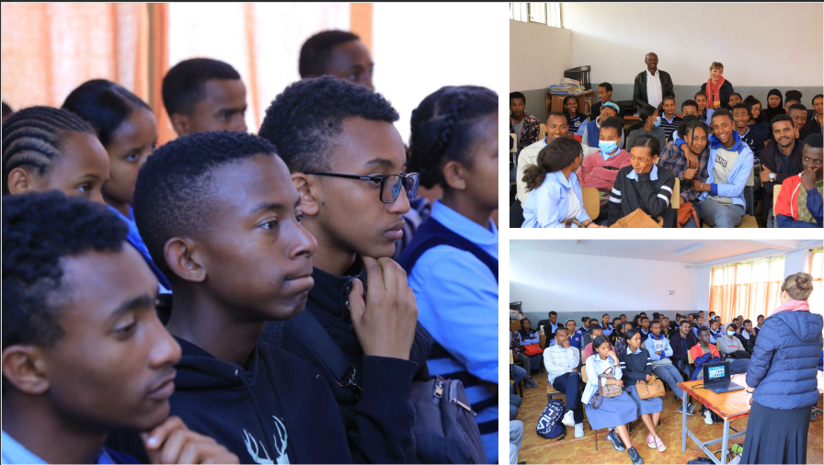
ITU and the Chair of the Committee on the Rights of the Child pledge to advance implementation of the Joint Statement on AI and the Rights of the Child
Artificial intelligence is already shaping how children learn, connect, play and access information. Ensuring that these technologies respect, protect and fulfil children’s rights requires concrete action from all stakeholders.
Following the joint leadership of ITU and the UN Committee on the Rights of the Child, with UNICEF, in the development of the Joint Statement on Artificial Intelligence and the Rights of the Child, co-signed by 13 UN entities and supported by more than 40 partners, ITU and the Chair of the UN Committee on the Rights of the Child pledge to collaborate in supporting the transition from commitment to action.
This includes working with partners to advance implementation of the Joint Statement, including through the development of a global programme to support child-rights-based approaches to artificial intelligence.
Organizations are encouraged to submit their own Partner2Connect Pledges in support of the Joint Statement, helping build a growing coalition of commitments to advance children’s rights in the age of AI.
ITU and the Chair of the Committee on the Rights of the Child welcome partnerships; please reach out to Fanny.Rotino@itu.int
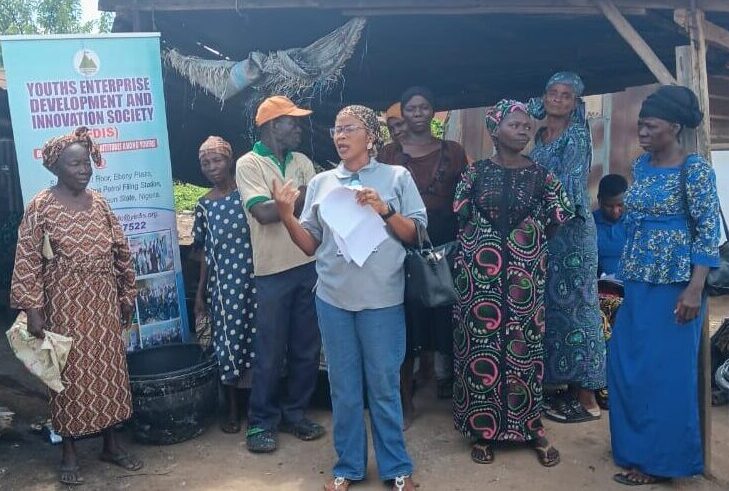
The Youths Enterprise Development and Innovation Society (YEDIS) is bringing AI skills to rural agribusiness in Nigeria
In rural Nigeria, digital skills can open new possibilities for small businesses but access to relevant knowledge and practical training remains essential. The Youths Enterprise Development and Innovation Society (YEDIS) a UN ECOSOC Special Consultative Status Accredited NGO, is working to help rural women and young people turn digital opportunities into business potential.
Through their Digital Capacity-Building and AI Integration for Rural Women Agribusiness Processors in Nigeria, YEDIS will deliver digital and AI literacy training tailored to people working in agricultural processing and agribusiness value chains. Practical demonstrations, entrepreneurship mentoring and peer learning will help participants explore how digital tools can support everyday business operations and productivity. The initiative also aims to make digital learning more inclusive, with attention to the participation of persons with disabilities. Progress will be assessed through training completion, digital tool adoption, enterprises supported and follow-up assessments of how participants apply their skills.
Beyond Nigeria, YEDIS will draw on its existing partnership with Uganda’s Urban Rural Development Organization to explore cross-border knowledge exchange and potential replication of successful approaches. By bringing AI and digital capacity-building closer to rural enterprises, YEDIS is working to make digital transformation a more accessible pathway to women’s economic empowerment, youth entrepreneurship and sustainable development.
The Youths Enterprise Development and Innovation Society (YEDIS) welcomes partnerships; please reach out to info@yedis.org
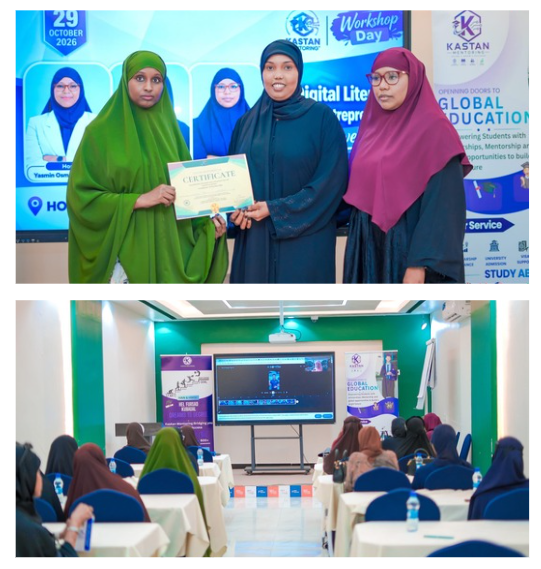
Kastan Mentoring CIC – Bringing AI opportunities within reach across East Africa
Artificial intelligence is transforming education, employment and entrepreneurship, yet underserved communities continue to face barriers to accessing digital skills and opportunities. Through its Partner2Connect pledge, UK-registered Kastan Mentoring CIC aims to expand inclusive AI and digital literacy opportunities across the Horn of Africa and East Africa, while engaging Somali-speaking diaspora communities.
Building on its experience in mentoring, digital skills development and educational access, Kastan has initiated the HORVIA Forum, an emerging collaborative initiative intended to bring civil society, educational institutions and community leaders together. The pledge aims to reach 200 participants during its initial 12 months through accessible online and community-based learning, responsible AI workshops, multilingual educational resources and digital entrepreneurship activities.
The initiative will seek financial and in-kind support to strengthen community-led implementation, with an emphasis on women, young people, people with disabilities and other underserved groups. By connecting local knowledge with international expertise, the initiative seeks to make AI education more inclusive, practical and relevant to local priorities.
Kastan Mentoring CIC welcomes collaboration with organizations committed to equitable digital opportunities inof@kastanmentoring.com

Impact Stories
The Impact Stories section highlights the real-world transformations made possible through the P2C commitments. These stories bring to life the tangible benefits of connectivity, showcasing how innovative partnerships and bold initiatives are breaking barriers and empowering communities globally.
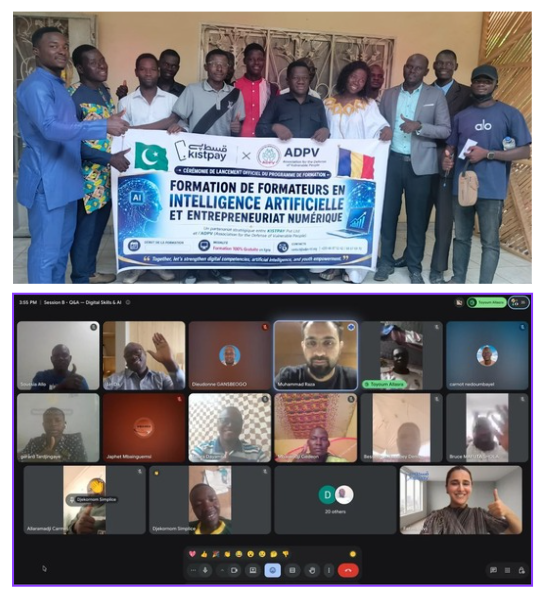
Two Partners, One Mission: Kistpay and ADPV are powering AI skills through partnership in Chad
What happens when digital expertise meets strong community roots? Through Partner2Connect, Kistpay Pvt Ltd and the Association for the Defense of Vulnerable People (ADPV) connected, creating a new partnership in Chad that is putting that combination to work through the Digital Innovation and Artificial Intelligence Laboratory (ADPV AI Lab). While the initiative is rooted in Chad, its reach extends across the region, benefiting participants from five other African countries: the Democratic Republic of the Congo (DRC), Niger, Burkina Faso, the Central African Republic (CAR), and Senegal.
At the heart of the collaboration is a joint AI Trainers Training Programme, currently underway and expected to conclude in the third week of November 2026. Kistpay leads curriculum design and digital content delivery, providing self-paced video modules, lesson slides, participant workbooks and weekly online Q&A sessions. ADPV brings the programme closer to participants through local coordination, on-site arrangements, and facilitation.T ogether, the partners aim to strengthen local training capacity and equip young people with practical digital skills, AI knowledge, and tools for digital entrepreneurship. The initiative also seeks to advance financial inclusion and widen access to online opportunities for underserved communities.
Their collaboration shows how connections made through Partner2Connect can bring complementary expertise together and help turn digital ambitions into practical learning opportunities. By pairing technical knowledge with community-level implementation, Kistpay and ADPV are laying the groundwork for more inclusive digital participation in Chad. As the pilot progresses, the partners look forward to sharing further updates and outcomes from their joint effort.
Kistpay and ADPV welcomes partnerships; please reach out to: Fatima Alvi – VP Partnerships & Digital Transformation, Kistpay fatima.alvi@kistpay.com
NEDOUMBAYEL CARNOT – Président National, ADPV direction@adpv-td.org
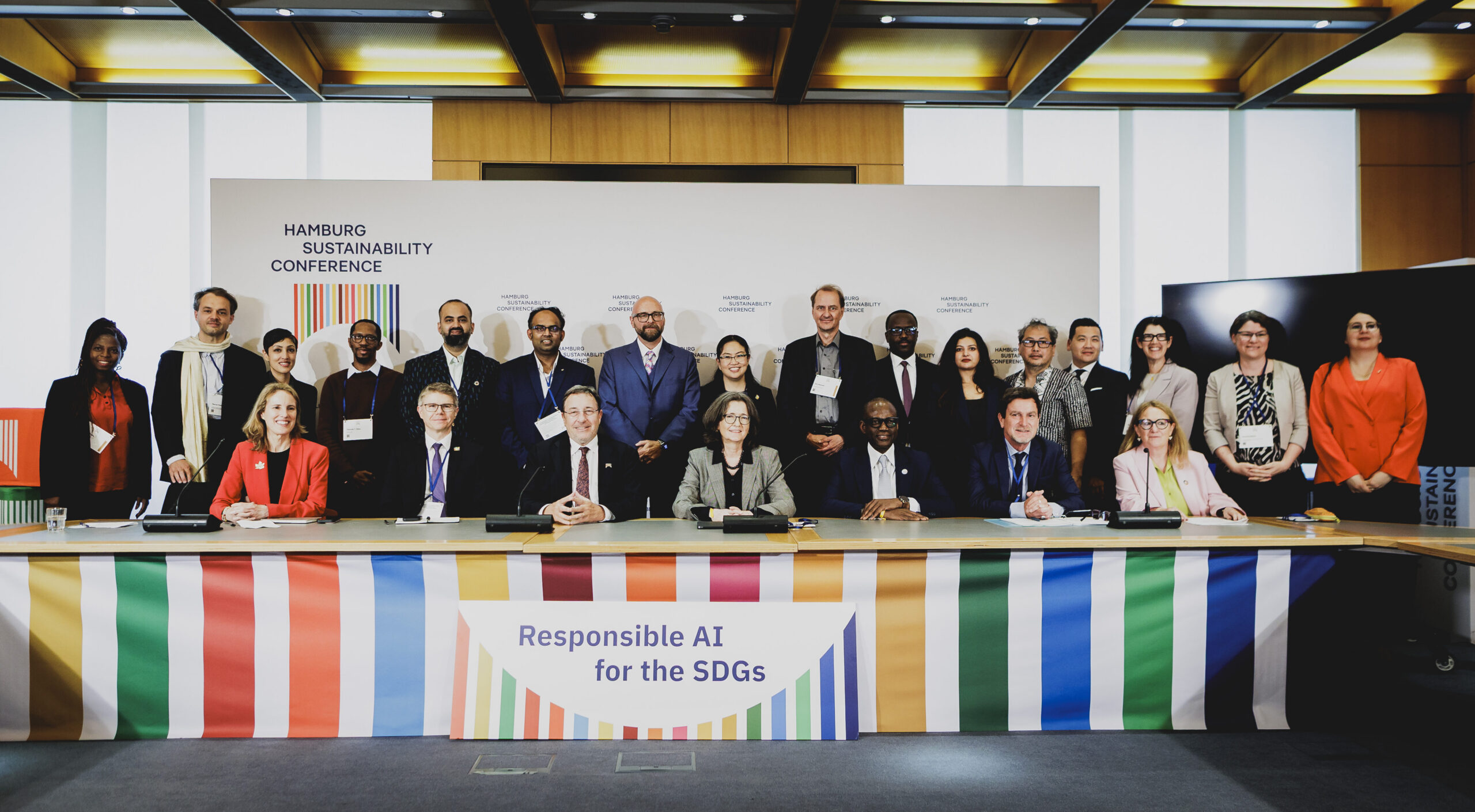
UNDP & Federal Ministry for Economic Cooperation and Development: Hamburg Declaration on Responsible AI for SDGs
Artificial intelligence is advancing rapidly but ensuring that its benefits are shared widely requires more than technological progress. It also requires skills, safeguards, local innovation and partnerships that enable countries and communities to shape how AI is developed and used.
The Hamburg Declaration on Responsible AI for the Sustainable Development Goals (SDGs), spearheaded by UNDP and the German Federal Ministry for Economic Cooperation and Development (BMZ), brings stakeholders together around a shared commitment to responsible, inclusive and sustainable AI, with particular attention to developing and emerging countries.
One year on, endorsers are beginning to translate these principles into action. Across the community, initiatives are expanding AI skills and literacy, supporting locally developed and open-source AI solutions, strengthening responsible AI governance and applying AI to challenges including climate, health and other areas of sustainable development. For instance, more than 256,000 people have been trained in AI-related skills, 1.5 million GPU hours have been mobilized, and AI has been expanded across 61 African languages through initiatives led by the Declaration’s endorsers.
The first year has also highlighted what is needed to move further: greater access to infrastructure and compute, stronger institutional capacity, practical governance tools and deeper collaboration. As implementation continues, the Declaration’s growing community is working to turn responsible AI from a shared ambition into solutions that can deliver meaningful impact.
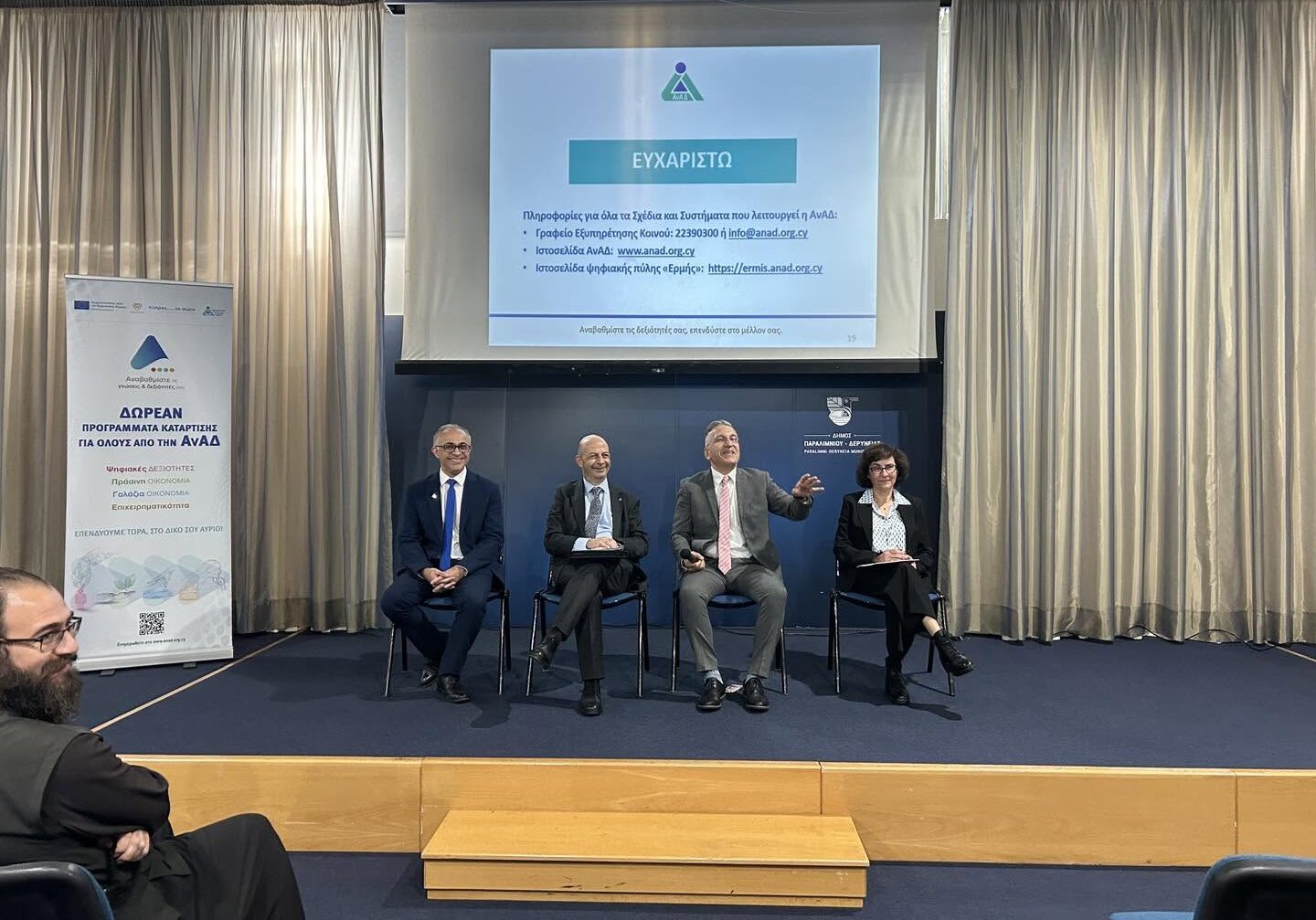
Deputy Ministry of Research, Innovation and Digital Policy (Cyprus) and other partners are turning digital skills into nationwide progress
A digital society is only as strong as the skills of its people. In Cyprus, the Digital Skills Action Plan 2021–2025 is helping citizens, public servants and underserved communities build the capabilities needed to navigate an increasingly digital world. Through initiatives led by the Deputy Ministry of Research, Innovation and Digital Policy and national partners, the country has reached and exceeded its milestone of 25,000 participants in digital training programmes.
The results span different needs and communities. Between September 2023 and July 2026, the Cyprus Productivity Centre delivered 870 training programmes, reaching 10,066 participants, including people over 55 and those in rural and remote areas. Over the same period, the Human Resource Development Authority implemented 770 training programmes, with 9,954 participants, focused on developing and upgrading digital skills.
Public-sector capacity has also been strengthened through cybersecurity training, while additional initiatives address the needs of women in remote areas, people with disabilities and third-country nationals. By combining practical training with targeted interventions, Cyprus is helping more people develop the skills to access digital services, strengthen their employability and participate in digital communities. The effort reflects a broader ambition: making digital transformation an opportunity for everyone, not just the digitally confident
Deputy Ministry of Research, Innovation and Digital Policy (Cyprus) welcomes partnerships; please reach out to nioannou@dec.dmrid.gov.cy

Pledge Highlights: Access For All
The Pledge Highlights: Access For All emphasises the shared global commitment to expand inclusive digital infrastructure, ensure affordability, and strengthen cybersecurity as essential pillars of meaningful connectivity. By extending broadband networks and mobile coverage to underserved areas, promoting fair and inclusive access to the internet and devices, and building secure, resilient systems that protect users, this collective effort drives sustainable digital transformation.
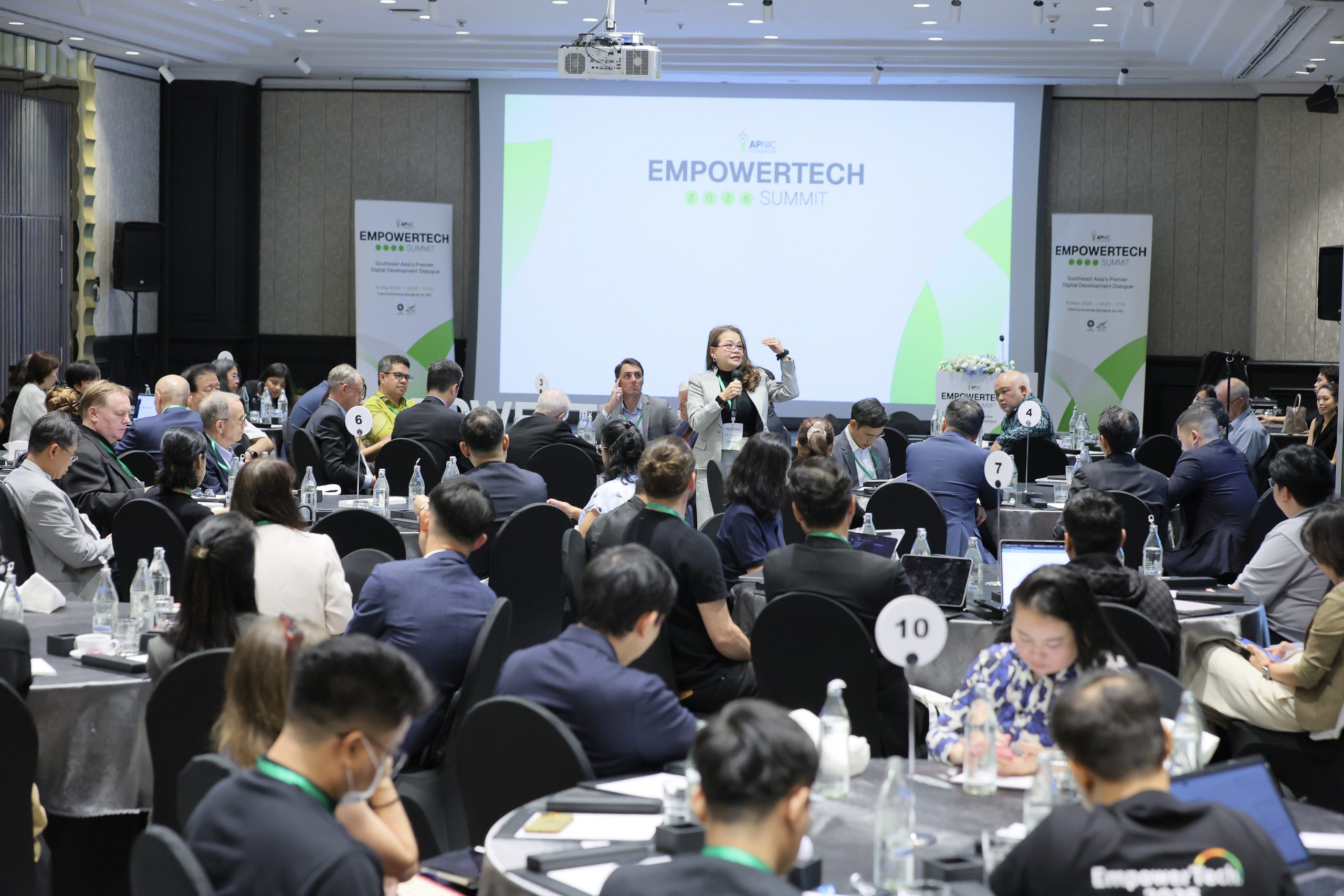
APNIC Foundation is building a more connected Asia Pacific, one community at a time
Across the Asia Pacific, the APNIC Foundation works to advance inclusive and sustainable digital development. By building technical capabilities, supporting innovation that addresses real-world challenges, and fostering partnerships, we help strengthen the foundations of digital transformation and enable more communities to participate in and benefit from an increasingly digital world.
Through its Partner2Connect pledge, Accelerating Digital Transformation Across the Asia-Pacific, the APNIC Foundation is making progress on all three fronts.
- Between January 2025 and June 2026, its Building Capabilities programs helped train 26,457 people and produced 1,192 knowledge resources.
- In the first half of 2026, its new Building Capabilities in the Asia Pacific (BCAP) project welcomed 300 participants from 1,544 applications across 29 economies.
Behind these numbers are real people. In the Philippines, the RISE-PH initiative connected 53 school sites, opening up online learning for an estimated 80,000 to 100,000 students, including learners in rural and Indigenous communities. In Bangladesh, the ISIF Asia-supported SOLshare project built two solar microgrids in Rohingya refugee camps, bringing electricity to around 300 people in 50 households so they can study, stay in touch and earn a living
The Foundation also brings together governments, industry, technical experts and communities to address shared challenges and explore opportunities for collaboration. Together, these efforts help strengthen technical capabilities, foster innovation and build partnerships that advance inclusive, secure and resilient digital development across the Asia Pacific.
The APNIC Foundation would love to hear from potential partners. Please get in touch at neeti.biyani@apnic.foundation.
Yas reaches 100% 4G-equipped network sites across its markets
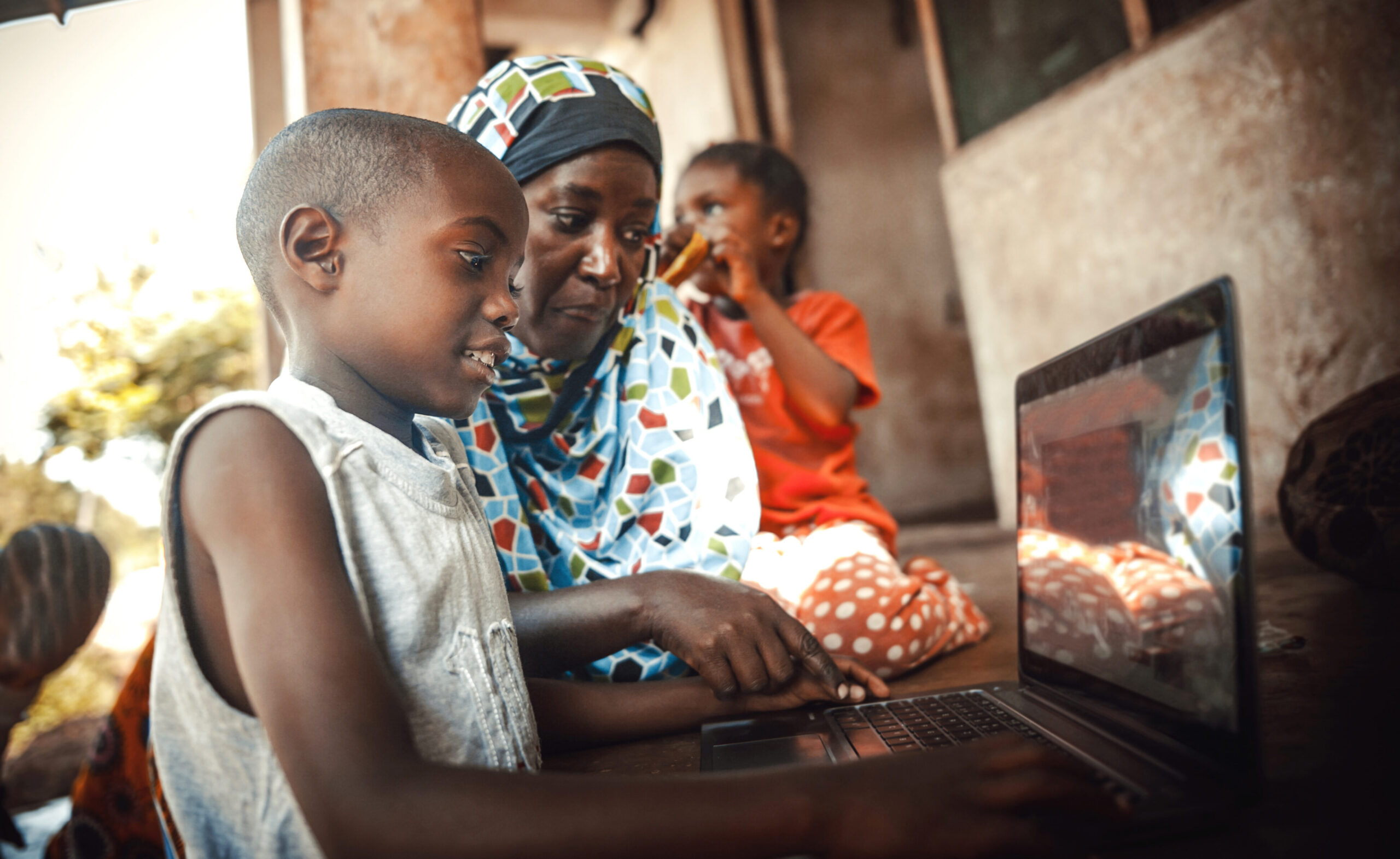
In 2025, Yas reached a major milestone in its journey to expand digital access: 100% of its network sites across all its markets are now equipped with 4G technology. This progress marks an important step towards improving access to high-speed mobile internet and narrowing the digital divide.
The milestone advances Yas’ pledge to invest in telecommunications infrastructure and extend connectivity to underserved and remote communities, particularly in Least Developed Countries where reliable internet access remains essential for socio-economic development.
With stronger connectivity, individuals, households, businesses, and schools can access greater opportunities to learn, communicate, and participate in the digital economy. Yas is also making progress in expanding 5G coverage in urban areas while continuing efforts to improve 4G coverage and network performance.
Looking ahead, the company remains committed to bridging the rural connectivity gap in Madagascar, Senegal, Togo, the Comoros and Tanzania.
By strengthening its network today, Yas is laying out the groundwork for a more connected and inclusive digital future.
Yas welcomes partnerships; please reach out to claire.mattei@axian-group.com
SES is extending satellite connectivity to underserved schools across Africa, bringing digital learning within reach.
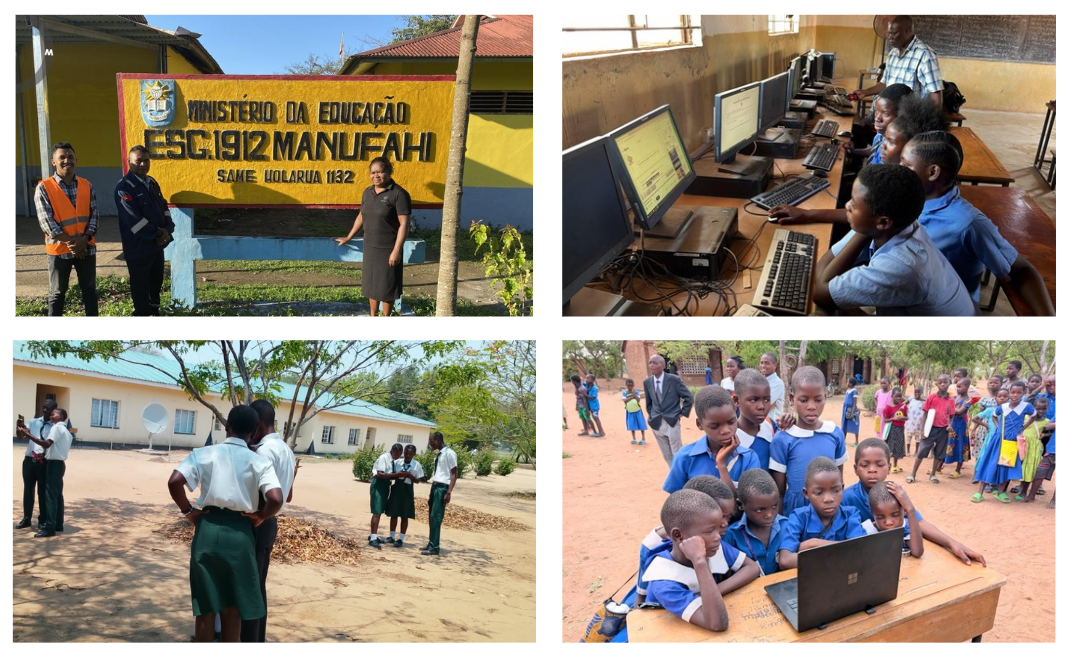
A reliable internet connection can change what happens in a classroom. It can give students access to learning resources beyond their textbooks, help teachers discover new ways to teach and connect entire communities to opportunities in the digital world. Yet for schools in remote and rural areas, this access remains far from guaranteed.
The initiative builds on SES’s successful 2025 deployment at five schools in Timor-Leste. Its current efforts are focused on Africa, where 30 schools across Malawi, Burundi, Zambia and Zimbabwe are set to receive connectivity by the end of 2026. Across the four countries, more than 20,000 students are expected to benefit.
Each school is set to receive internet connectivity at speeds of up to 20–30 Mbps, free of charge for three years. Working with local authorities and national telecommunications regulators, SES oversees the design, integration, deployment and operation of the solutions.
The ambition extends beyond getting schools online. By enabling digital learning and supporting educators, SES is helping create classrooms where distance is less of a barrier and opportunity is more accessible.
SES welcomes partnerships; please reach out to:
We celebrate the incredible strides made through collective action and shared commitments to bridging the digital divide. The stories, partnerships, and innovations highlighted here are just the beginning of what we can achieve together. Stay tuned for our next issue, where we will delve even deeper into the transformative power of connectivity, featuring more inspiring initiatives, voices from the field, and bold new commitments driving progress across the globe. The journey to a digitally inclusive world continues – and we’re just getting started!
Click here to learn more about how to get featured in our upcoming editions.
Subscribe to our newsletter
Subscribe to the P2C Newsletter to receive exclusive insights, updates and opportunities to engage with the Partner2Connect Digital Coalition. Join a growing community committed to achieving universal, meaningful connectivity and be the first to know about impactful pledges and stories driving progress worldwide!