

Cybersecurity
Key Insights
Eleven readiness and maturity assessments were conducted for national computer incident response teams (CIRTs) of The Gambia, Guatemala, Honduras, Maldives, Mali, Mongolia, Nauru, Palau, Suriname, Tajikistan, and Zambia.
Ongoing CIRTs implementation projects in six countries: The Bahamas, Bermuda, The Gambia, Honduras, Kyrgyzstan, and Suriname.
Four regional CyberDrills were organized, attracting more than 65 countries, to strengthen incident-response capabilities, build trust, and foster technical collaboration against new and emerging cyber threats.
A Global CyberDrill was co-organized with the United Arab Emirates Cyber Security Council during the 14th edition of the Gulf Information Security Expo & Conference (GISEC Global 2025). The CyberDrill promoted cross-border cooperation and enhanced capabilities to detect, prevent, and respond to cybersecurity incidents. Eleven Guinness World Records were set at the event, including one for the most nationalities—126—in a single CyberDrill competition.
Nine cybersecurity training workshops held in Armenia, Bahrain, Bhutan, Djibouti, Mauritania, Montenegro, Philippines, Qatar, and Vanuatu, reached around 400 professionals.
Her CyberTracks delivered its third phase in 2025, significantly expanding the project’s scope, partnerships and geographical reach. With 1002 applications and 245 participants from 50 countries, the project offered tailored learning paths in policy and diplomacy, incident response, and criminal justice—empowering women with technical expertise, leadership, and soft skills.
Phase 2 of the Cyber for Good project expanded to include Small Island Developing States (SIDS), acknowledging their unique vulnerabilities and lag in cybersecurity adoption. The project supported 32 Least Developed Countries and 6 SIDS with specialized training, fellowships, and access to tools—strengthening national capacity in cyber crisis management, secure communications, and threat intelligence.
Through the ITU Global Programme on Child Online Protection, national assessments and frameworks were conducted in six countries.
Over 1000 children, educators, and policymakers were trained in Andorra, Armenia, The Bahamas, Brunei, Costa Rica, Eswatini, Malta, Maldives, Micronesia, Morocco, Nepal, and Palau.
The ITU Guidelines on Child Online Protection were translated into four more languages in 2025, bringing the number of translated guidelines into total of 26 national languages.
The GO-SAFER Initiative was launched to build a global hub for evidence-based prevention education and validated a Joint Statement on Child Rights in the Context of AI with inputs from over 40 organizations. Four Child Online Protection Industry Connect sessions convened Member States and major social media and gaming platforms to discuss AI, social media, and gaming industry efforts to enhance Child Online Protection.
In Focus
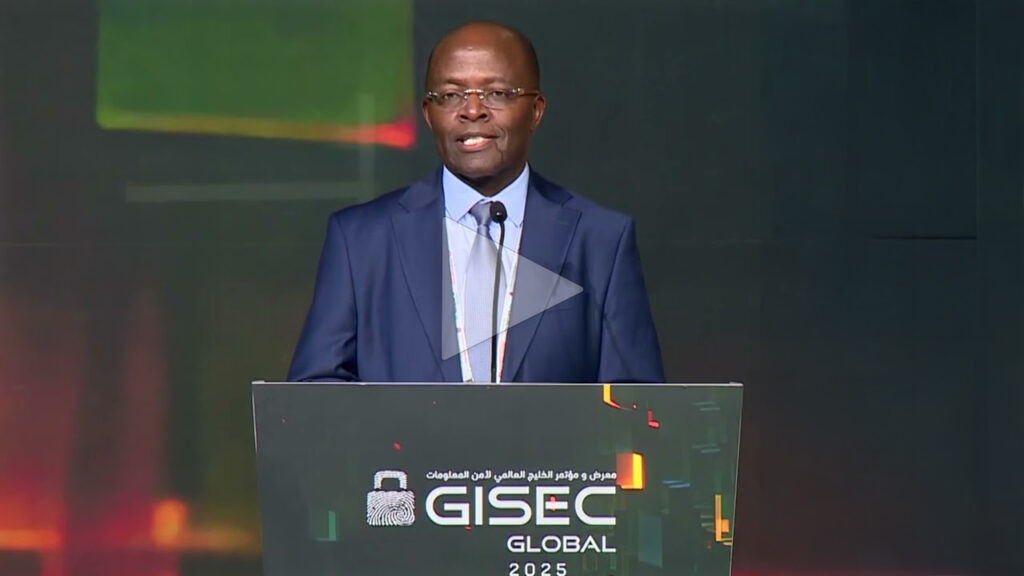
ITU Global CyberDrill 2025 Highlights
Explore the video highlights from the ITU Global CyberDrill 2025, held in Dubai, UAE from 6 – 8 May 2025.
Keep reading