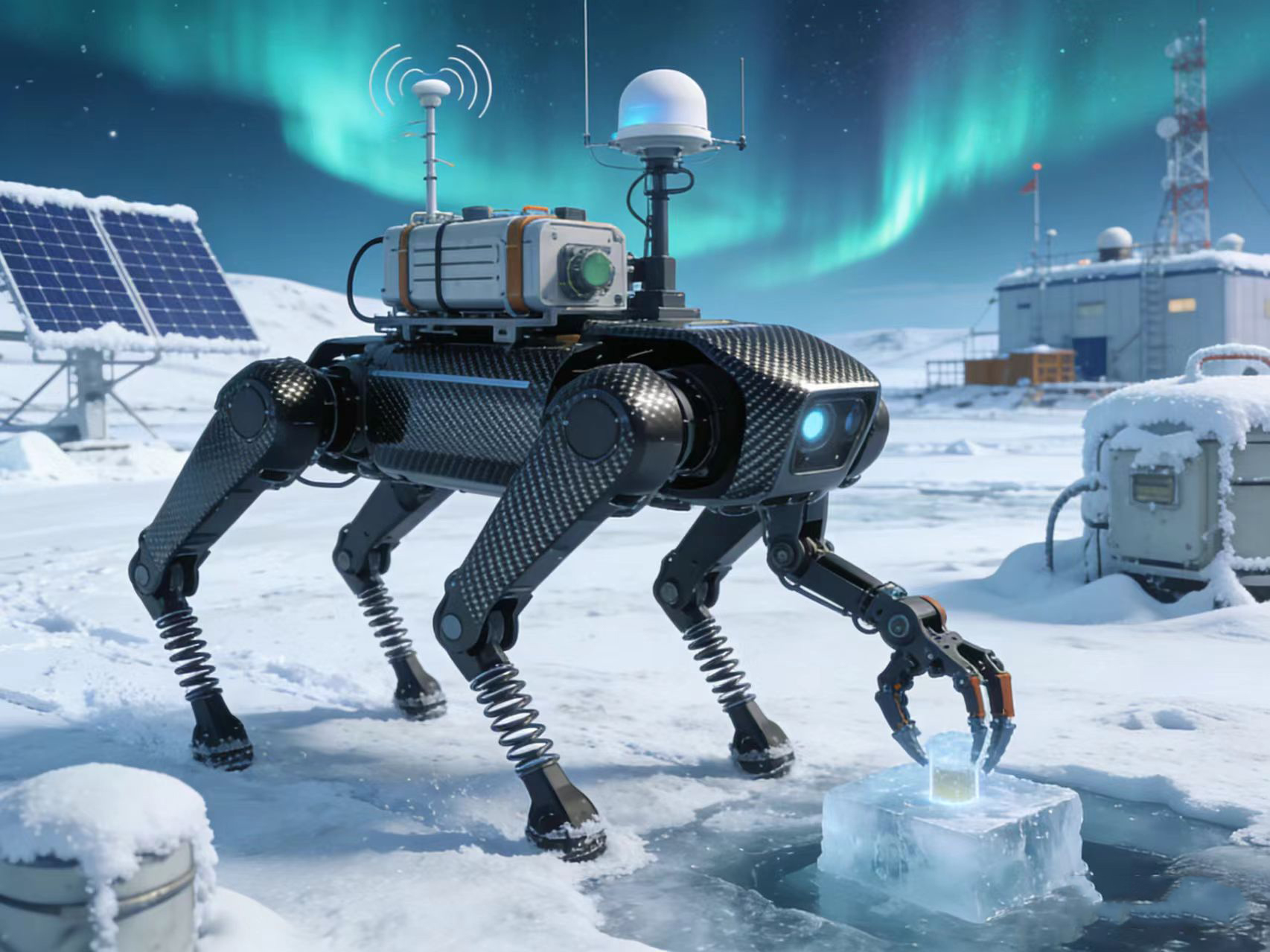
 This category focuses on standardizing "Embodied AI" systems that connect AI foundation model capabilities to physical entity devices (like robots). It covers everything from the overall perception and execution framework of the system to data collection requirements in real physical environments and ultimate evaluation benchmark systems.
5.1 EAI Framework & Requirements
Establishes the basic concepts and unified general technical framework of Embodied AI systems, clarifying their support requirements in perceiving the real world, embodied decision-making, and physical execution.
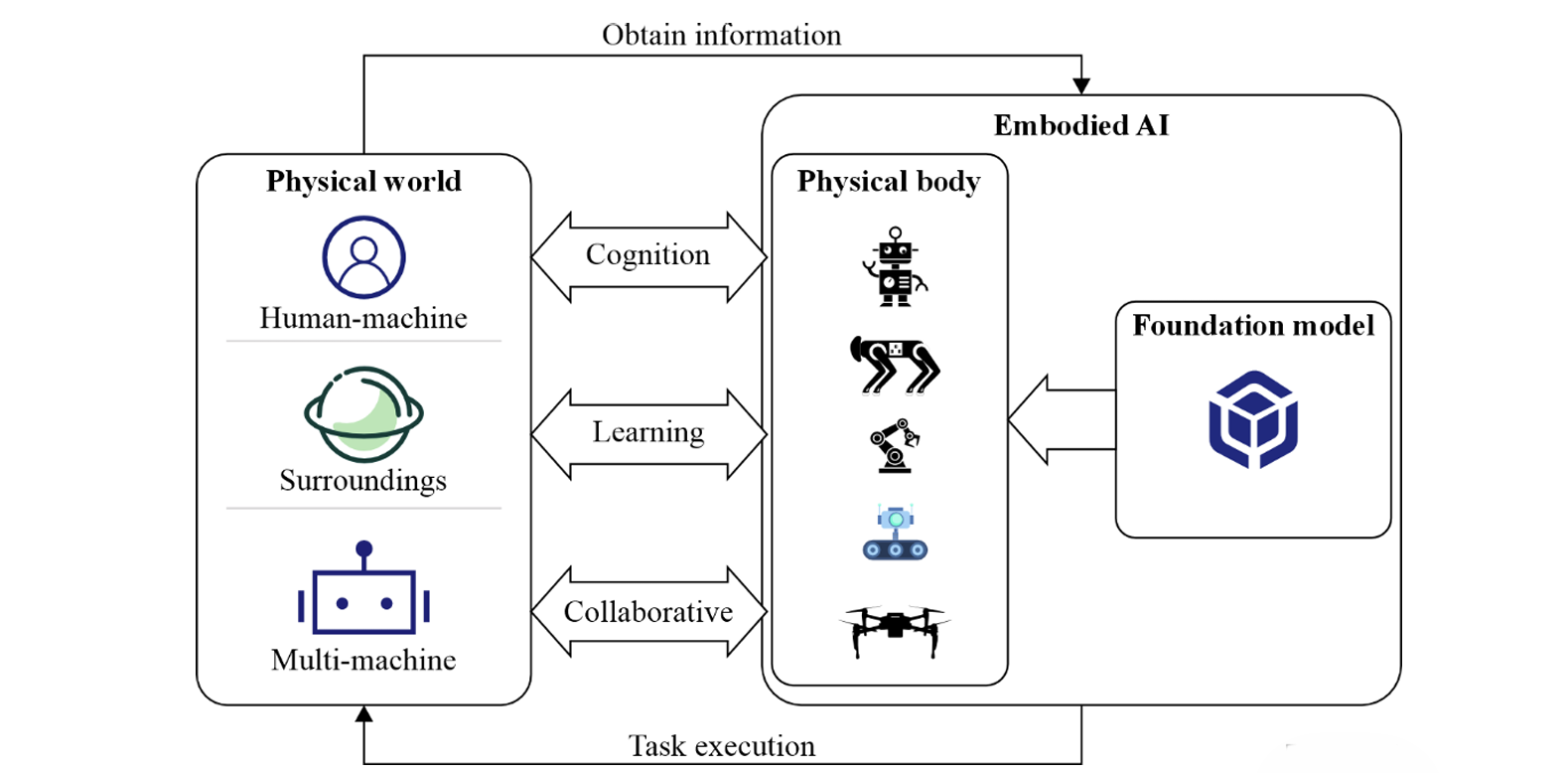
F.748.66 Conceptual diagram and key features of EAI
F.748.66 General framework of EAI systems
The figure below shows an embodied AI (EAI) system deployed in a retail store that assists in monitoring stock, interacting with customers, and managing goods. Robots act as embodied agents and integrate with cloud-edge-device computing to ensure efficient store operations.
F.748.66 Retail use case
5.2 Benchmarking & Data Collection
Formulates detailed standards for comprehensively evaluating the capabilities of embodied intelligence in executing tasks in real and simulated environments, as well as safely and standardly collecting multimodal control data via teleoperation.