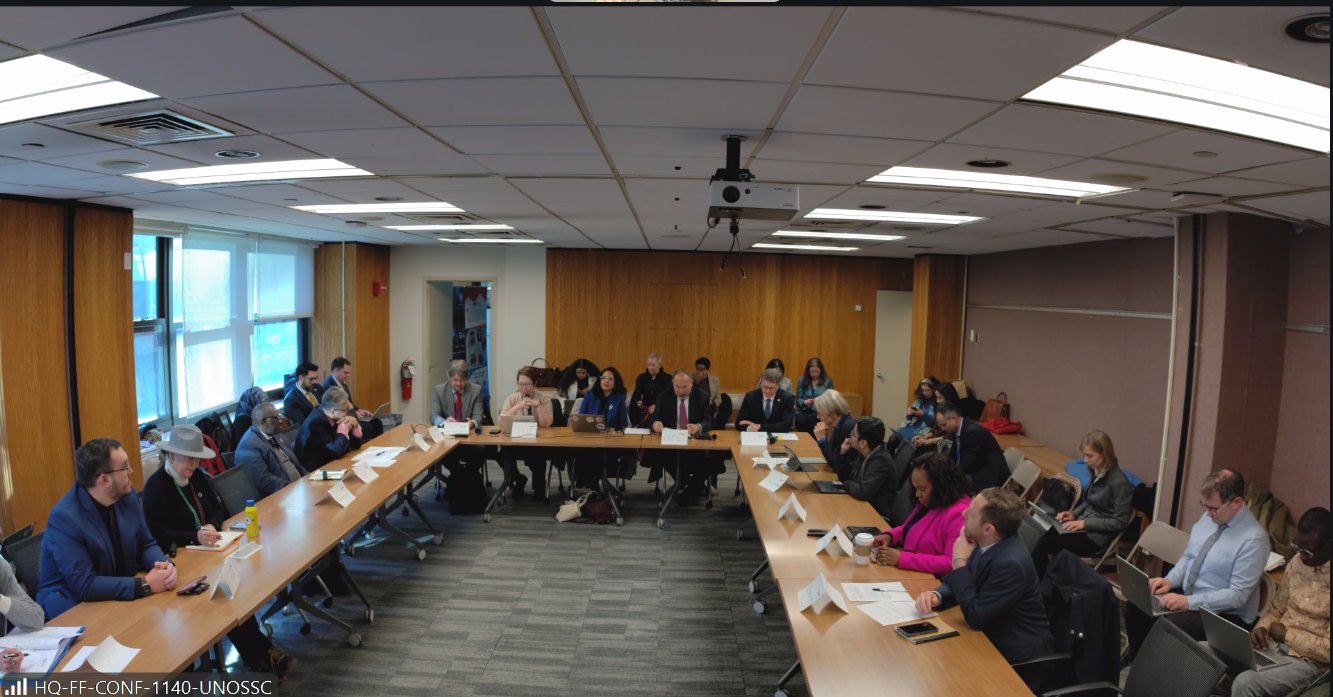
Side Event: Celebrating Twenty Years and Achieving Future Milestones Together
ITU, UNDP, UNESCO, Switzerland
Session 554
WSIS SIDE EVENT | on the sidelines of the WSIS+20 UNGA High-Level Meeting | Venue: Doha Conference Room, 11th floor, UNDP HQ - FF Building, 304 East 45th Street, New York
Context
Over two decades ago, the World Summit on the Information Society (WSIS) set in motion a global effort to harness information and communication technologies (ICTs) for inclusive, knowledge-driven development. Established to build a people-centered, inclusive, and development-oriented information and knowledge societies, WSIS laid the foundation for global digital cooperation, catalyzing transformative change by connecting people, fostering innovation, and advancing sustainable development.
Marking twenty years since the Tunis phase of the WSIS Summit in 2005, the UN General Assembly, through resolution A/70/125 adopted in 2015, called for a high-level review in December 2025 in New York. This review is a timely opportunity to assess progress over two decades, share lessons learned, and define a renewed vision for the next phase of the global digital agenda.
The side event, “Celebrating Twenty Years and Achieving Future Milestones Together,” brings stakeholders together to celebrate the achievements of the WSIS process while looking ahead to opportunities in a rapidly evolving digital landscape. The session will encourage dialogue, the exchange of experiences, and collaborative approaches to strengthen global digital cooperation.
As digital technologies continue to reshape economies, societies, and daily life, the WSIS vision remains highly relevant, guiding efforts to ensure that digital transformation is inclusive, equitable, and sustainable. The session is an important moment to showcase progress, reinforce collaboration and collective actions for the next chapter of global information and knowledge societies.
Agenda
09:00-09:03 Moderator Welcome & Housekeeping
09:03-09:06 Opening Remarks
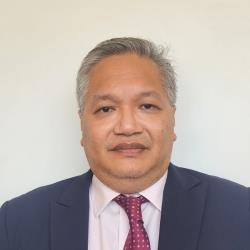
Nur Sulyna Abdullah, Chief, Strategic Planning and Membership, and Special Advisor to the Secretary-General, ITU
09:06-09:15 Co-organisers remarks
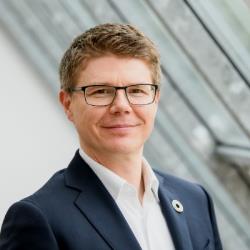
1. Mr. Robert Opp, Chief Digital Officer, United Nations Development Programme (UNDP)
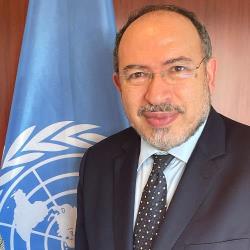
2. Dr. Tawfik Jelassi, Assistant Director-General for Communication and Information, United Nations Educational, Scientific and Cultural Organization (UNESCO)
3. Mr. Jorge Cancio, Director of International Relations, Federal Office of Communications (OFCOM), Switzerland
09:15-09:21 Remarks from the WSIS+20 Co-Facilitators
4. WSIS+20 Co-Facilitators
- H.E. Mr. Ekitela Lokaale, Ambassador and Permanent Representative, Permanent Mission of the Republic of Kenya to the United Nations
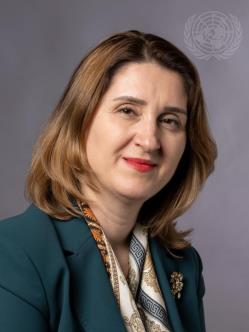
- H.E. Ms. Suela Janina, Ambassador and Permanent Representative, Permanent Mission of the Republic of Albania to the United Nations
09:21-09:42 Speakers’ Interventions
Vision and the Future of WSIS Beyond 2025
Guiding Questions:
o What is the vision for WSIS and global digital cooperation in the years beyond 2025?
o How can multistakeholder collaboration be strengthened to achieve these priorities?
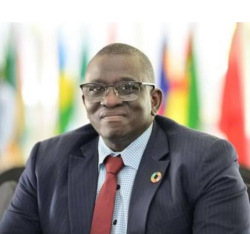
5. Ms. Nonkqubela Thathakahle Jordan-Dyani, Director-General, Department of Communications and Digital Technologies, South Africa
6. H.E. Mr. Ambassador Muhammad Radzi Jamaludin, Ambassador, Malaysia
7. Mr. Mactar Seck, Chief Frontier and Emerging Technology, Innovation and Digital Transformation Section, UN Economic Commission for Africa (UNECA)
8. Mr. Howie Wachtel, Senior Director, UN and International Organizations Policy, Microsoft
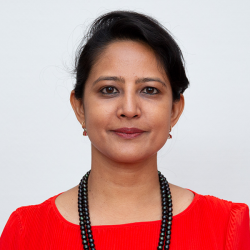
9. Ms. Nandini Chami, Deputy Director and Fellow, IT for Change
10. Ms. Katharina Mänz, Acting Head of BMZ Unit 110, Digital Technologies, BMZ
11. Mr. Joshua Ingersoll (ITU Youth Advisory Board)
09:42-09:55 Interactive Discussion
09:55-10:00 Closing Remarks & Group Photo
Session Recording:
https://undp.zoom.us/rec/share/mUiFAuesWO8iPCjlmXcG1OKOvZiTyAZVc_MKk-AGfg4-r8H3rvXLssrMOu45m95O.JWaIJ2oIyPBHfS5Q?startTime=1765807663000
Passcode: .2%Lb^jW


.jpeg?maxwidth=250)


.jpg?maxwidth=250)


-
 C1. The role of governments and all stakeholders in the promotion of ICTs for development
-
 C2. Information and communication infrastructure
-
 C3. Access to information and knowledge
-
 C4. Capacity building
-
 C5. Building confidence and security in use of ICTs
-
 C6. Enabling environment
-
 C7. ICT applications: benefits in all aspects of life — E-government
-
 C7. ICT applications: benefits in all aspects of life — E-business
-
 C7. ICT applications: benefits in all aspects of life — E-learning
-
 C7. ICT applications: benefits in all aspects of life — E-health
-
 C7. ICT applications: benefits in all aspects of life — E-employment
-
 C7. ICT applications: benefits in all aspects of life — E-environment
-
 C7. ICT applications: benefits in all aspects of life — E-agriculture
-
 C7. ICT applications: benefits in all aspects of life — E-science
-
 C8. Cultural diversity and identity, linguistic diversity and local content
-
 C9. Media
-
 C10. Ethical dimensions of the Information Society
-
 C11. International and regional cooperation
-
 Goal 1: End poverty in all its forms everywhere
-
 Goal 2: End hunger, achieve food security and improved nutrition and promote sustainable agriculture
-
 Goal 3: Ensure healthy lives and promote well-being for all
-
 Goal 4: Ensure inclusive and equitable quality education and promote lifelong learning opportunities for all
-
 Goal 5: Achieve gender equality and empower all women and girls
-
 Goal 6: Ensure access to water and sanitation for all
-
 Goal 7: Ensure access to affordable, reliable, sustainable and modern energy for all
-
 Goal 8: Promote inclusive and sustainable economic growth, employment and decent work for all
-
 Goal 9: Build resilient infrastructure, promote sustainable industrialization and foster innovation
-
 Goal 10: Reduce inequality within and among countries
-
 Goal 11: Make cities inclusive, safe, resilient and sustainable
-
 Goal 12: Ensure sustainable consumption and production patterns
-
 Goal 13: Take urgent action to combat climate change and its impacts
-
 Goal 14: Conserve and sustainably use the oceans, seas and marine resources
-
 Goal 15: Sustainably manage forests, combat desertification, halt and reverse land degradation, halt biodiversity loss
-
 Goal 16: Promote just, peaceful and inclusive societies
-
 Goal 17: Revitalize the global partnership for sustainable development

- Objective 1: Close all digital divides and accelerate progress across the Sustainable Development Goals
- Objective 2: Expand inclusion in and benefits from the digital economy for all
- Objective 3: Foster an inclusive, open, safe and secure digital space that respects, protects and promotes human rights
- Objective 5: Enhance international governance of artificial intelligence for the benefit of humanity