2024-2025 Cohort Generation Connect Young Leadership Programme (GCYLP)
Meet the 2024-2025 Cohort of Generation Connect Young Leadership Programme (GCYLP) Fellows and learn about the digital development projects they are implementing in their diverse communities across the world.
Selected by a global jury from a pool of 5,249 applicants from all regions worldwide, the 2024-2025 cohort of the Generation Connect Young Leadership Programme (GCYLP) fellows are young changemakers from 28 countries across all ITU regions, willing to leverage innovative digital solutions towards an inclusive, more prosperous digital future for all. Over the next year, they will receive support and resources to implement digital development projects in their diverse communities across the world.
Altynay Maralbekkyzy
Kazakhstan
The eco-digitalization for all: GDC (Green Digital Consulting) This initiative aims to assist enterprises or institutions in implementing sustainable practices through comprehensive consulting services, real-time environmental monitoring (planning), and advice from eco-experts.
Andriambolama nana Fanevasoa Larissa
Madagascar
EmpowerHer (Youth Empowerment in Madagascar): This project aims to establish a comprehensive digital platform and a physical safe space center: to support women and girls affected by Gender-Based Violence (GBV) in Madagascar.
Diana Kuznetsova
Ukraine
UTrendApp: UTrend is a comprehensive mobile app designed to foster digital transformation and innovation across Ukraine and the European region in general. By integrating key features such as digital tech trend observatories, transformation toolkits, a startup database and expert networks.
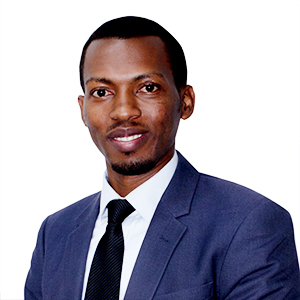
Emmanuel Mutabazi
Rwanda
SANGIZA 0:1 Technologies: An AI and blockchain-enabled application, an e-marketplace for second-hand electronics for household and institutional consumers that provides users with security and quality vetted second-hand electronics.
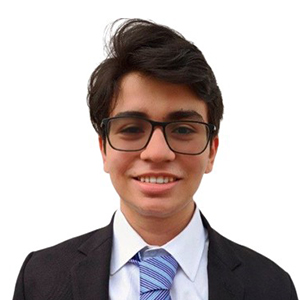
Estuarto Sebastián Valle Bances
Guatemala
Farmflow: Farmflow is a data-driven platform designed to promote the adoption of smart-farming techniques among farmers. By collecting and analyzing data from various farms and farmer profiles, Farmflow generates valuable analytics that benefit different actors within the supply chain.
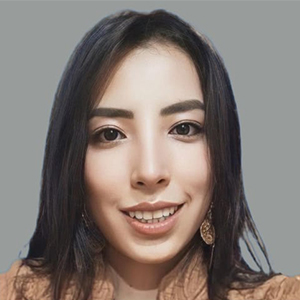
Eylen Jhuliana Mercado Ontiveros
Bolivia
WIVER: Wiver is an innovative system for communication, storage, and visualization of medical images. It integrates a PACS (Picture Archiving and communication system) for centralized storage and access to medical images, a DICOM (Digital Imaging and Communications in Medicine) web viewer for viewing images from any internet-connected device, and an automated reporting system that streamlines the creation of medical reports.
Farah Bazz
Lebanon
Verūdia Tech: This project aims to improve the quality of education in Lebanon and bridge the digital divide by providing quality online resources to students.
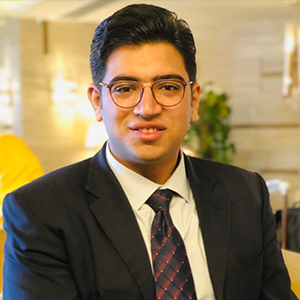
Felix Samuel Rojas Casadiego
Colombia
FoodSaver: FoodSaver is a platform that aims to reduce food waste and carbon emissions in restaurants by optimizing their inventory and ordering processes using artificial intelligence.
Geoffrey Nkandu
Zambia
MOREY: Morey seeks to bridge Africa’s digital divide by making electronic devices affordable and accessible. Through direct partnerships with Chinese factories, Morey eliminates intermediaries, reducing costs and ensuring lower prices for consumers.
Ismail Khlif
Tunisia
Solar Chain: The project aims to address the lack of access to affordable and sustainable energy sources in underserved communities in Tunisia by creating a platform dedicated to raising funds for the installation of green energy solutions, such as solar panels and wind turbines.
James Thomas Terhemba
Nigeria
TED Evergreen: TED Evergreen is a project that manufactures renewable energy generators. The product integrates a digital technology to break affordability barrier allowing customers get the product for free and pay through flexible daily subscription instead of paying on fuel.
Mari Gevorgyan
Armenia
Pixel Pioneers: The Pixel Pioneers website plans to empower communities by improving access to educational and community engagement opportunities. By providing easy access to online programs and internships, the app will facilitate personal and professional development for residents.
Maya Fakhfakh
Tunisia
CervicAId: CerviScanner is an innovative mobile application launched by the NGO MedNtech and designed to transform cervical cancer screening by leveraging AI technology. This app allows healthcare providers to use smartphones as diagnostic tools by capturing images of Pap smear slides through a microscope and analyzing them for abnormalities indicative of cervical cancer.
Mohamed Zaky Salah Zaky Ghozl
Egypt
Nature Eye Labs: An intelligent platform leveraging artificial intelligence and a large language model framework. This platform enables stakeholders to interact with models that provide urban studies, feasibility analyses, environmental and urban recommendations, and suitable service locations tailored to regional needs.
Muhammad Zubair Madni
Pakistan
DIGITAL ROHI – Cholistan Center of Excellence: The “DIGITAL ROHI” project aims to enhance ICT access and utilization in Cholistan, bridging this digital divide by providing digital access, education, and empowerment to its indigenous people, nomads, and other disconnected communities, enabling them to engage with the global digital community.
Ni Putu Mas Swandewi
Indonesia
Maggotin: This project will implement BSF bioconversion in neighbourhood area and utilize a digital platform to support the process which will tackle food waste issues and develop a circular economy.
Nuriddin Samatov
Uzbekistan
EcoSentinel Aqua System: The “EcoSentinel Aqua System” project aims to improve the current water monitoring system by developing a comprehensive, technology-driven platform for real-time monitoring and management of water flow and quality across Uzbekistan
Nusaiba Binte Mamun
Bangladesh
Anondopath: This project aims to develop an Augmented Reality based Virtual Lab of STEAM (Science, Technology, Engineering, Arts, and Mathematics) sector. These simulations will be designed to provide immersive and engaging practical learning experiences for secondary school students in Bangladesh, addressing the lack of physical laboratory facilities in many schools.
Parviz Hamidov
Azerbaijan
Dadli application: The project focuses on tackling the significant issue of food waste in Azerbaijan and the CIS region through an innovative digital platform.
Pathana Hoymoune
Lao PDR
Diginovator: The Diginovator initiative employs a multipronged strategy that includes public awareness campaigns, educational resource development, and digital literacy training to tackle the ubiquitous problems of misinformation and disinformation in the digital sphere
Pork Viheng
Cambodia
AURA: Our project aims to empower People With Disabilities (PWD) in Cambodia to thrive in three key areas: living life to the fullest, enriching learning environment, and innovative passive earning opportunities.
Rachida El Rhdioui
Morocco
Digifortify: DigiFortify aims to equip participants with practical digital skills, fostering confidence and safety in their online interactions. By bridging the digital literacy gap, the project seeks to create a digitally inclusive community where everyone can harness the benefits of the digital era, regardless of their background.
Rahaf Mohammad Yousif Abu Mayyaleh
Jordan
Empowering Underprivileged Children with Coding and Robotics Skills: Empowering underprivileged children through teaching them programming and technical skills using micro:bit and through play-based learning curricula.
Roman Tolstosheyev
Azerbaijan
Cyber Leakage Prevention System: The Cyber Leakage Prevention (CLP) System is an essential initiative designed to enhance the security and integrity of electronic data across various enterprises and organizations in Azerbaijan, with a primary focus on preventing data breaches and unauthorized access to personal information.
Rosario Huaranca
Bolivia
NGO Robotics Training: My digital development project seeks to scale the Universidad Mayor de San Simón (UMSS) robotics community project and turn it into an NGO that will create opportunities and access to robotics education for children with restricted economic opportunities.
Sarila Ngakhusi
Nepal
Support My School: Support My School (SMS) is an open-source, multi-stakeholder engagement platform integrated with the information system. It is based on 3 prime principles 1. Open Data, 2. Budget Transparency and 3. Civic Engagement
Shergaun Roserie
Saint Lucia
Orbtronics’ STEM Educational Programs: bridging the digital divide in Saint Lucia and the broader Caribbean by providing youth with hands-on learning in programming, robotics, and digital skills.
Tianhao Wu
China
Accessible Localized Crop Phenotyping for Smart Agriculture: This project aims to build a platform for accessible phenotyping and data sharing. By encouraging farmers to take weekly casual scans of their crops with mobile phones and uploading them to the cloud server, we would be able to run multi-view image-based 3D reconstruction with Gaussian Splatting and extract analytical data such as growth status, greenness and disease quantification.
Valarie Neema Waswa
Kenya
BIASHARA DIJITALI: Biashara Dijitali aims to empower women entrepreneurs in rural Kakamega, Kenya, by providing essential digital marketing skills training. These women face significant barriers to economic success due to high digital illiteracy and limited access to digital technologies. This project will offer tailored digital marketing training, including social media management, content creation, SEO, and e-commerce fundamentals
Yasmine Abdu
United Kingdom
CarbonTrac: CarbonTrac addresses the challenge of navigating the complexities of carbon footprints and sustainability by utilizing AI to assess the environmental impact of products. This simplifies the decision-making process for consumers, allowing them to easily identify and choose more sustainable options.
This text is an automatic translation based on the original English version. See the Disclaimer.
Fellows Selected for Additional Funding
Following the successful implementation of their projects during 2024 – 2025, outstanding fellows from the first cohort of the Generation Connect Young Leadership Programme (GCYLP) were competitively selected to receive an additional grant to scale up their digital development projects. Recognizing the impact achieved and the potential for further growth, this additional grant will enable the fellows to build on their initial achievements, strengthen their digital solutions and expand their reach. During 2026–2027, the selected fellows will implement the second phase of their projects, continuing their work with target communities and advancing innovative, youth-led digital solutions towards a more inclusive and connected digital future.
Eylen Jhuliana Mercado Ontiveros
Bolivia
Felix Samuel Rojas Casadiego
Colombia
Geoffrey Nkandu
Zambia
James Thomas Terhemba
Nigeria
Maya Fakhfakh
Tunisia
Mohamed Zaky Salah Zaky Ghozl
Egypt
Muhammad Zubair Madn
Pakistan
Nuriddin Samatov
Uzbekistan
Nusaiba Binte Mamun
Bangladesh
Shergaun Roserie
Saint Lucia
Valarie Neema Waswa
Kenya
Yasmine Abdu
UK
GCYLP Fellows Projects Progress
GCYLP 2024 Fellows Development Week
From 10 to 14 June 2024, ITU and Huawei welcomed the GCYLP fellows to Switzerland for a transformative week of learning and development.
The week-long activities included leadership fireside chats with ITU and Huawei senior representatives, workshops on project management, innovation, and leadership, an intergenerational panel discussion, reflection and briefing sessions, guided tours of the UN Palais des Nations in Geneva, and of the Huawei-Sunrise Innovation Lab in Zurich, and more.
To see more photos of the fellows’ visit to Switzerland for the development week check out the Flickr album.
Applications for first cohort of GCYLP fellows were evaluated based on the established selection criteria. For any enquiries on the GCYLP, please email GCYLP@itu.int.