Following their selection for additional funding, the 12 GCYLP fellows from the 2024-2025 Cohort are building on the work accomplished during their first project phase. Explore below how they are refining their digital solutions, expanding their activities and continuing to address challenges in their target communities throughout the 2026–2027 implementation period.
WIVER
Eylen Jhuliana Mercado Ontiveros – Bolivia
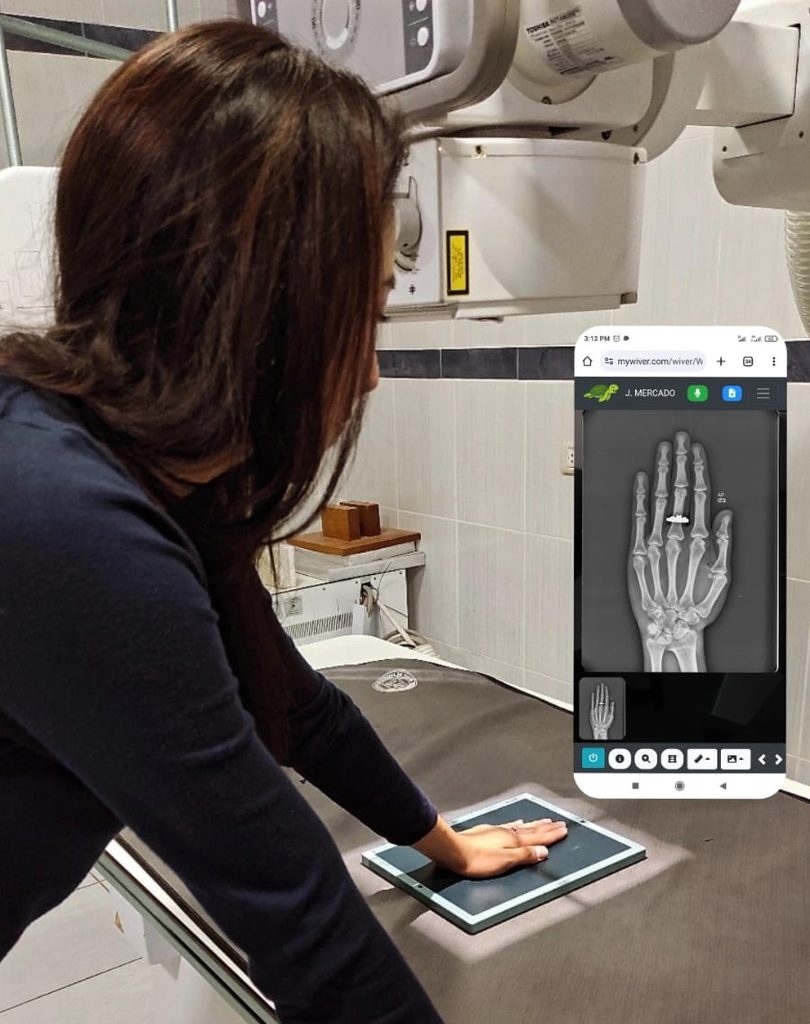
Highlights: WIVER has deployed a digital medical imaging platform connecting Vinto Hospital with seven additional medical centres in Bolivia. The platform enables healthcare professionals to securely store, access, and share diagnostic images, with over 1,000 images stored and more than 50 health center staff trained. The project has improved healthcare workflows by reducing reliance on radiographic film through adoption of digital medical imaging, thereby limiting the use of physical film and its associated waste.
Upcoming Phase: With additional grant support, WIVER will develop and pilot a digital laboratory software module enabling the structured recording, secure storage, and easy retrieval of test results. By connecting laboratory and imaging information within a single platform, the second phase aims to improve data traceability and accessibility, supporting healthcare professionals in making timely and informed clinical decisions.
Foodsaver
Felix Samuel Rojas Casadiego – Colombia
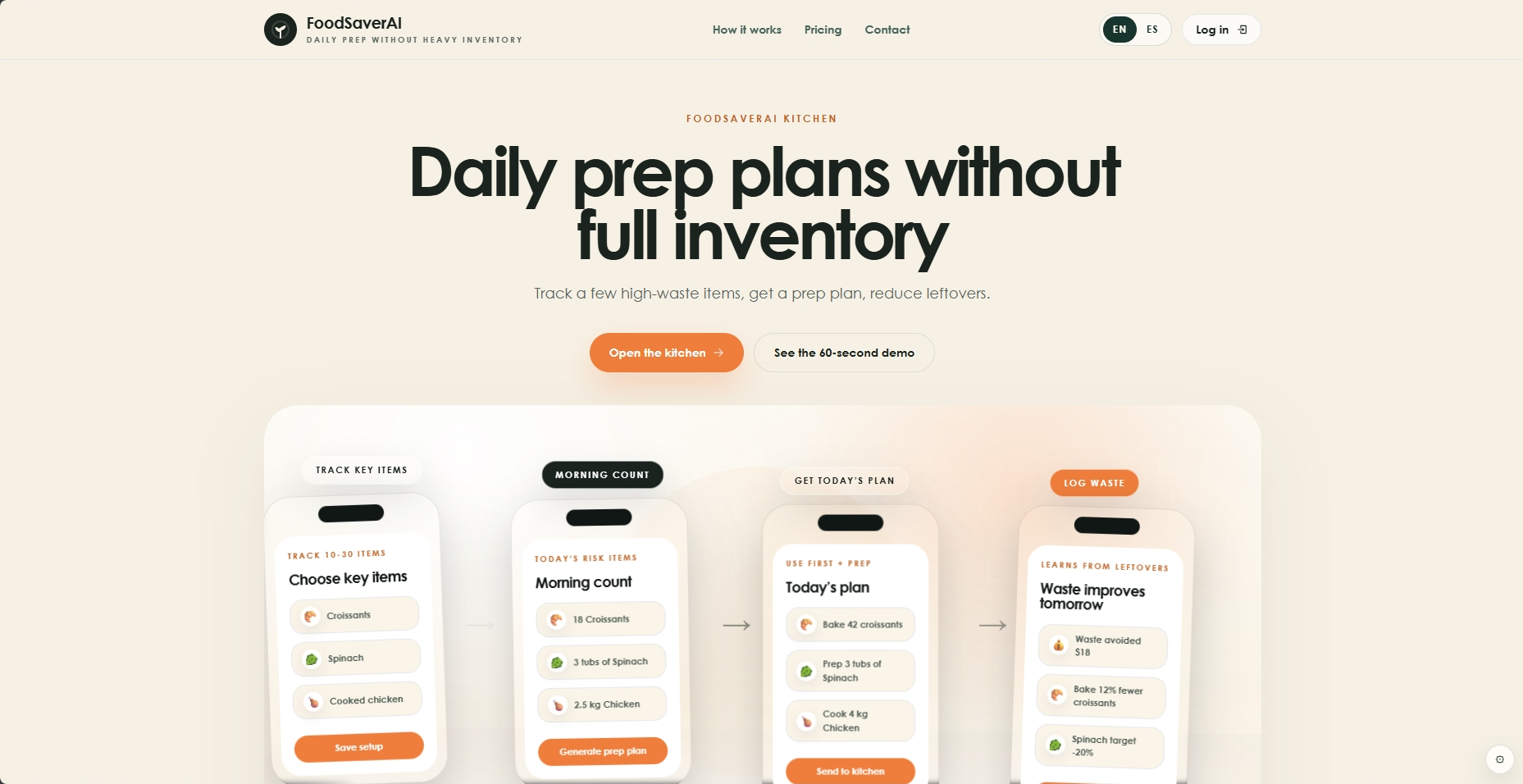
Highlights: FoodSaver has launched an AI-powered platform available in English and Spanish to help restaurants in Colombia reduce food waste and carbon emissions by optimizing inventory management and ordering processes. The platform has recorded 2,500 unique visitors and 54 daily active users and has expanded its online educational content on food waste reduction.
Upcoming Phase: In its second phase, FoodSaver will continue developing its AI-powered platform to help restaurants reduce food waste and carbon emissions by optimizing inventory management and ordering processes. The project aims to support more efficient food management practices and encourage more sustainable operations within the restaurant sector.
Morey
Geoffrey Nkandu – Zambia
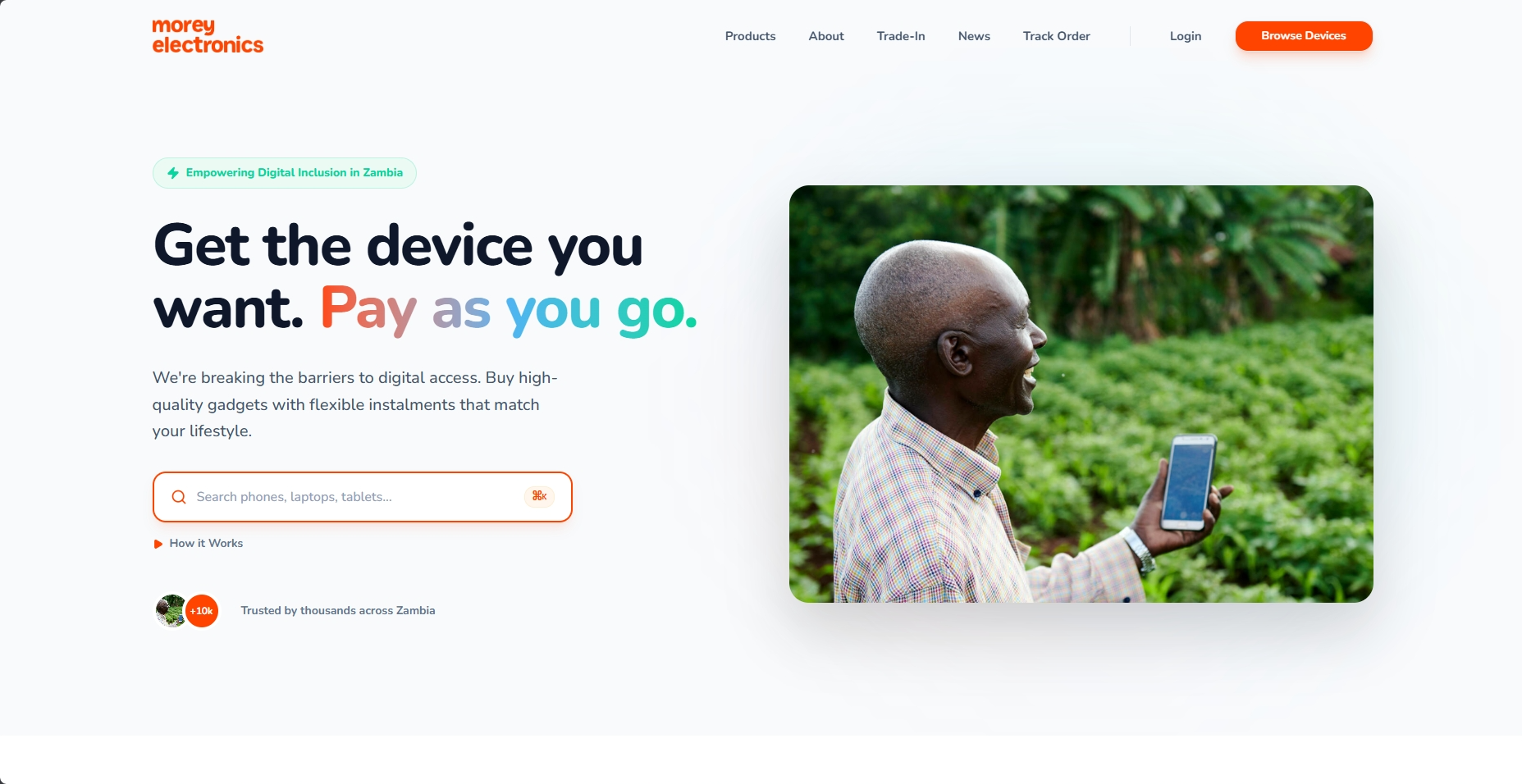
Highlights: Morey is expanding access to electronic devices through flexible payment options designed to reduce upfront costs and financial barriers. The platform secured a payroll deduction mechanism enabling more than 500,000 government employees to access instalment-based purchases and introduced three payment plans for different customer groups, including people in the informal sector. Direct partnerships with manufacturers in China and Malaysia have helped streamline supply chains, while the platform now offers more than 1,000 products through partner retailers
Upcoming Phase: Building on the MoreySecure device-management solution developed during the first phase, Morey will use additional funding to expand access to affordable smartphones and laptops. Through a system of flexible daily, weekly, or monthly micro-payments, the project aims to reduce upfront costs and credit barriers, making digital devices more accessible to low-income and unbanked users, particularly those working in the informal sector.
Ted Evergreen
James Thomas Terhemba – Nigeria
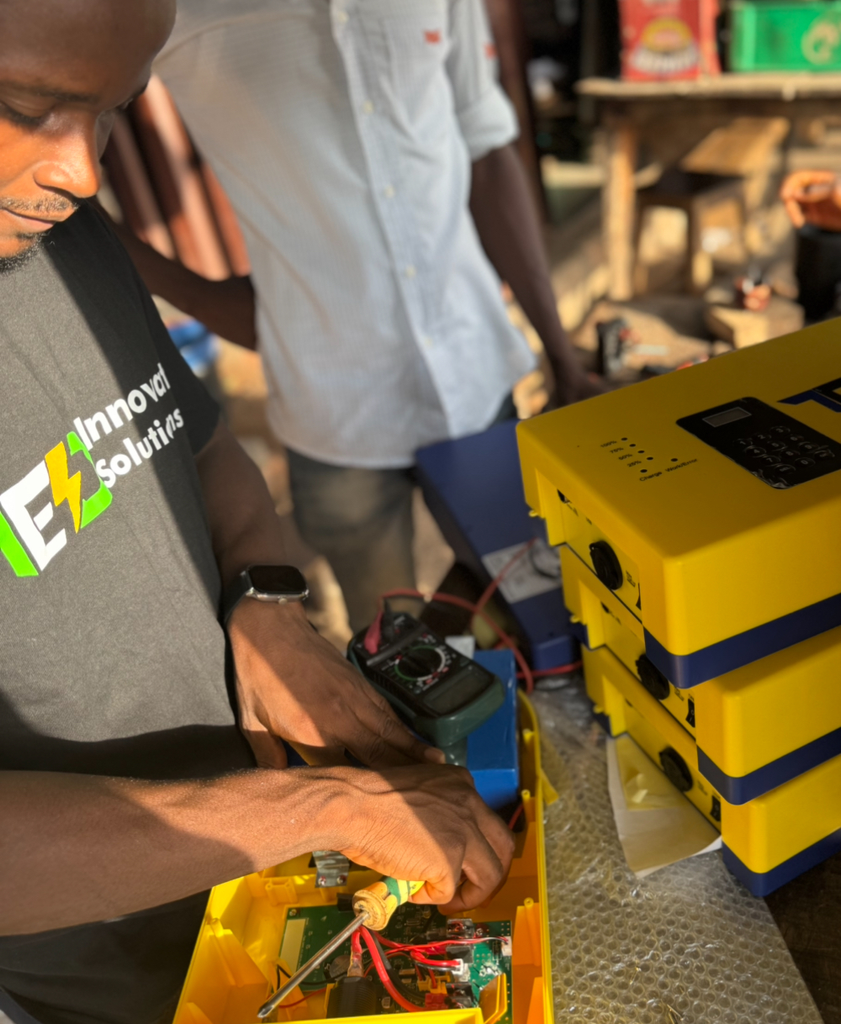
Highlights: TED Evergreen manufactured and distributed 50 units of its renewable-energy product, offering households and businesses an alternative to conventional fossil-fuel generators. The project also improved its digital payment gateway through a flexible, token-based payment system that supports product activation and helps address affordability barriers by reducing the need for large upfront payments.
Upcoming Phase: In its second phase, TED Evergreen will advance its renewable energy solution towards an energy-as-a-service model, allowing customers to pay for the electricity they use through prepaid subscriptions. The approach is designed to reduce upfront costs and lower user expenses by approximately 60%, making renewable electricity more accessible to lower-income households and businesses while providing an alternative to conventional fossil-fuel generators.
CerviScanner
Maya Fakhfakh – Tunisia

Highlights: CerviScanner has completed a prototype of its AI-powered mobile application, designed to help healthcare providers identify potential cervical abnormalities by analysing images of pap smear slides captured through a microscope. Co-designed with healthcare professionals, the prototype is being prepared for real-world testing and clinical validation. The project has also established connections with Rwandan researchers and the Rwanda Biomedical Centre, laying the groundwork for pilot testing and potential integration into healthcare services.
Upcoming Phase: Building on the pilot conducted in Rwanda (June-July 2025), this phase focuses on strengthening CerviScanner AI model through training on pilot data, synthetic data augmentation and increasing project visibility and app adoption through communications activities.
Nature Eye Labs
Mohamed Zaky Salah Zaky Ghozl – Egypt
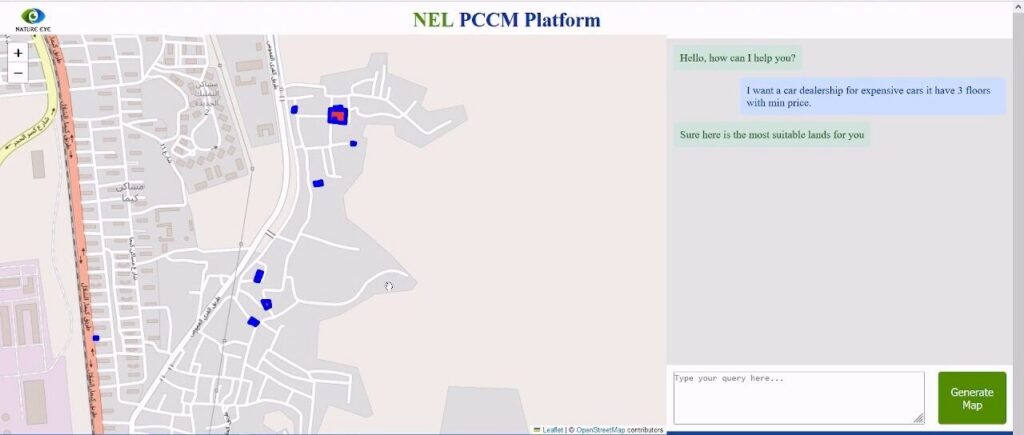
Highlights: Nature Eye Labs trained 70 Egyptian youth in advanced digital technologies through three intensive workshops covering geospatial computer vision, energy-efficient AI, and large language models. The project also developed a smart decision-making platform to help decision-makers identify service locations based on economic, social, and environmental sustainability criteria. Collaborations with the Egyptian Ministry of Planning, municipalities, and urban planning experts are supporting testing and validation.
Upcoming Phase: The second phase will establish a specialized, semester-long school focused on Geospatial Intelligence (Geo-AI) for economic development and resource management among Arab and African students. The programme will combine in-person training for 50 selected local students with interactive remote participation for 50 peers from Arab and African countries, creating opportunities to develop practical geospatial skills and apply them to development challenges.
Digital Rohi
Muhammad Zubair Madni – Pakistan
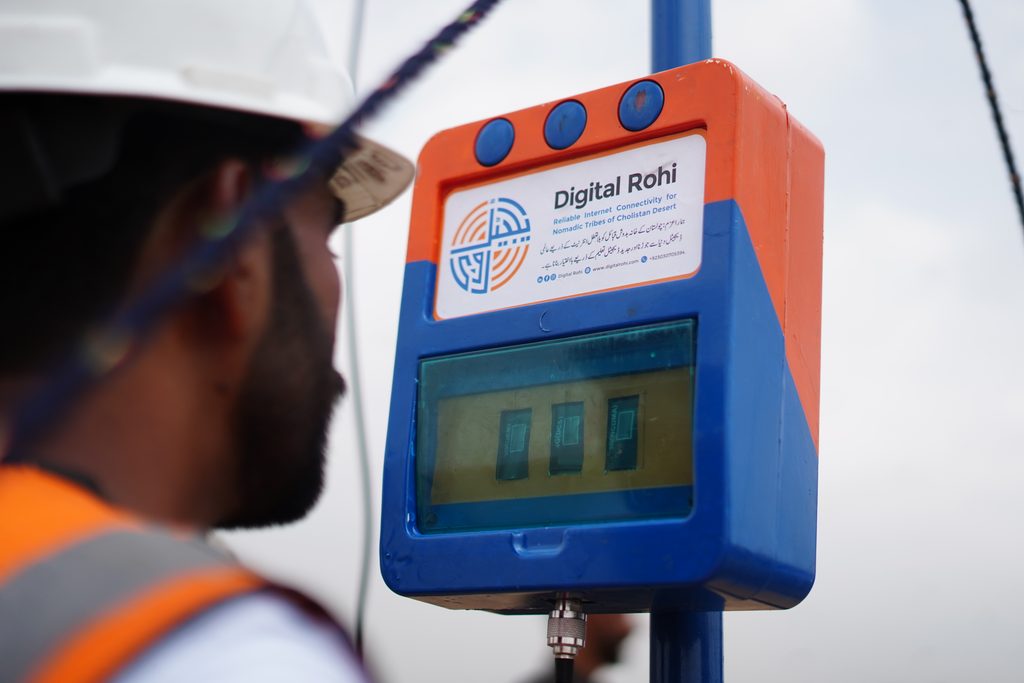
Highlights: Digital Rohi mapped digital connectivity gaps across the remote Cholistan desert through field surveys covering approximately 250 kilometres, helping identify barriers to internet access among nomadic communities. The project developed a tailored ICT curriculum covering digital media and information literacy, digital services, and community network management. Materials were produced in English, Urdu, and Saraiki, with 600 guidebooks printed and distributed. Five training workshops engaged approximately 150 community leaders, while outreach activities raised awareness of digital inclusion among more than 1,000 community members.
Upcoming Phase: With additional grant support, DIGITAL ROHI will refine and stabilise its existing minimum viable product (MVP), a solar-powered, portable digital connectivity system designed for remote desert environments. The improved solution will be piloted across four previously engaged locations, aiming to support approximately 120–150 learners and educators through more reliable access to digital learning and online resources.
EcoSentinel Aqua System
Nuriddin Samatov – Uzbekistan
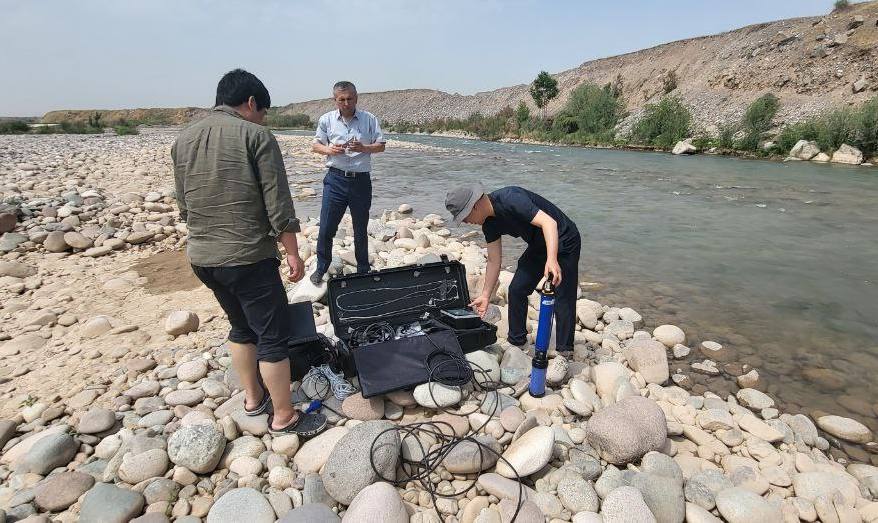
Highlights: EcoSentinel Aqua System has established real-time water quality monitoring on the Chirchiq River through a multi-parameter sensor and a publicly accessible online dashboard. The project collected and scientifically validated more than 6,500 data points and trained over 200 community members. Collaboration with environmental authorities, local NGOs, and a hydrological monitoring institution has also created opportunities to integrate pollution monitoring into broader water management systems.
Upcoming Phase: In this expansion phase, EcoSentinel Aqua System will strengthen its water-monitoring network along the Chirchiq River, shifting its focus towards industrial pollution detection. The project will install an additional sensor station to monitor pollution flows and enhance its online dashboard with GIS mapping capabilities, supporting the visualisation and analysis of water-quality data.
Anondopath
Nusaiba Binte Mamun – Bangladesh
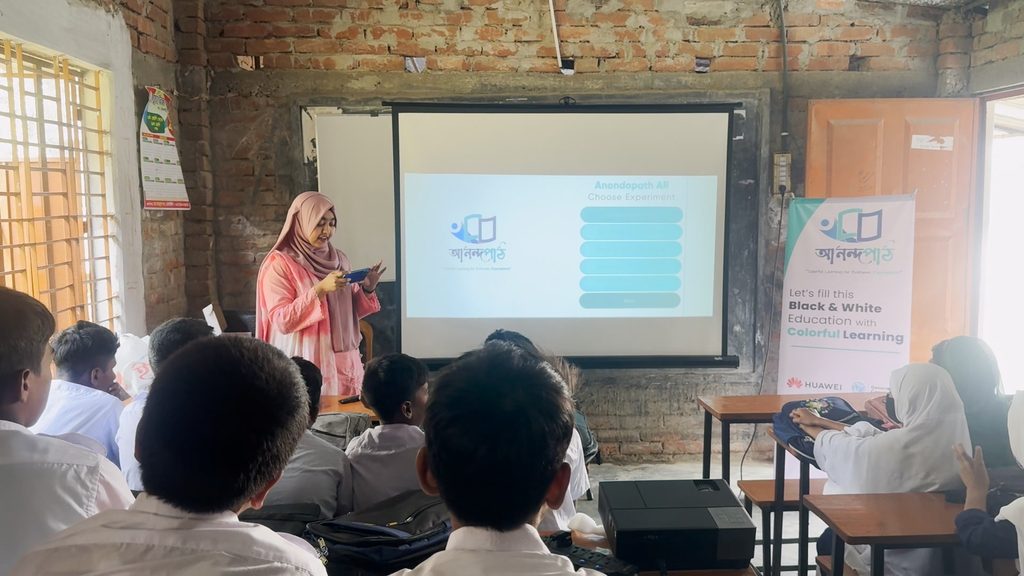
Highlights: The Anondopath project developed a minimum viable product featuring five interactive experiments to support science, technology, engineering, arts, and mathematics (STEAM) education. The project consulted 10 school science teachers and conducted workshops across 5 schools, engaging students and gathering feedback to improve the learning experience. Engagement with Bangladesh’s ICT Division has also opened a pathway to explore integration into educational systems through a more comprehensive learning package for students in Grades 6–10.
Upcoming Phase: The second phase will pilot an Augmented Reality-based Virtual Lab for Science, Technology, Engineering, Arts, and Mathematics (STEAM) across five underserved schools in Bangladesh, with the aim of reaching more than 500 students. The project will also deliver teacher-training workshops to support the integration of virtual laboratories into the national curriculum, helping expand access to interactive and technology-enabled learning experiences.
Orbtronics STEM Educational Program
Shergaun Roserie – Saint Lucia
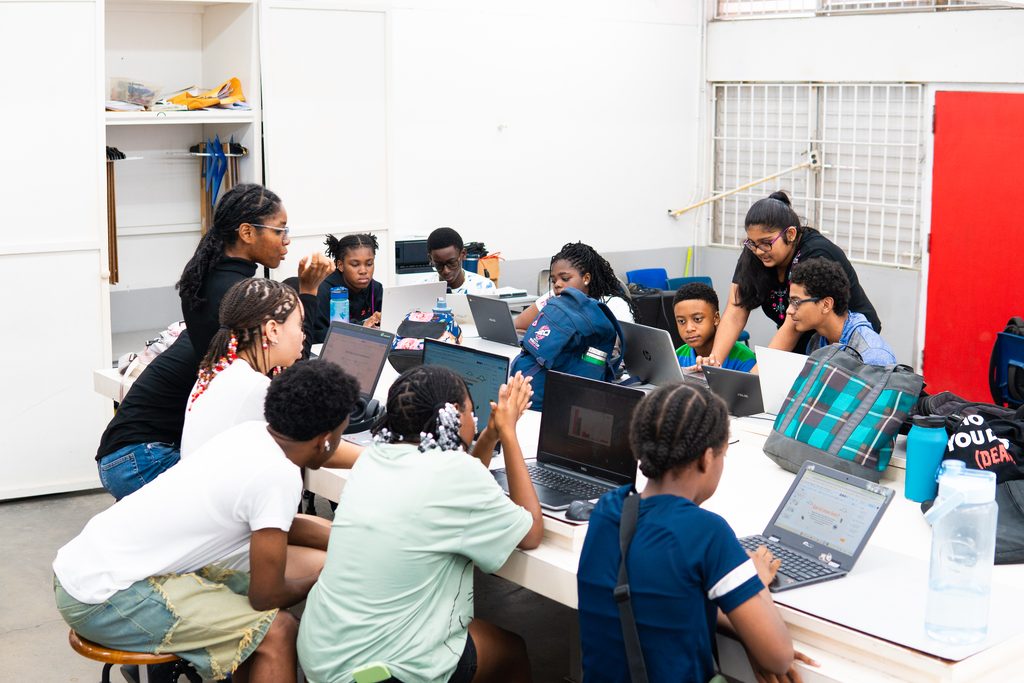
Highlights: The project delivered an intensive training programme in Saint Lucia combining AI education, practical exercises, and collaborative problem-solving. Participants explored how AI could address real-world challenges and worked in teams to develop and present AI-powered solutions. Individual student interviews also helped identify participants’ skills, interests, and career goals, supporting more personalized guidance and the alignment of internship opportunities with their aspirations.
Upcoming Phase: With additional grant support, this phase will advance a structured STEM and innovation programme for young people aged 13–18 in Saint Lucia. Planned activities include onboarding participants, delivering the first themed STEM innovation cycles, engaging mentors, and establishing monitoring and evaluation systems to track progress and support continuous improvement.
Biashara Dijitali
Valarie Neema Waswa – Kenya
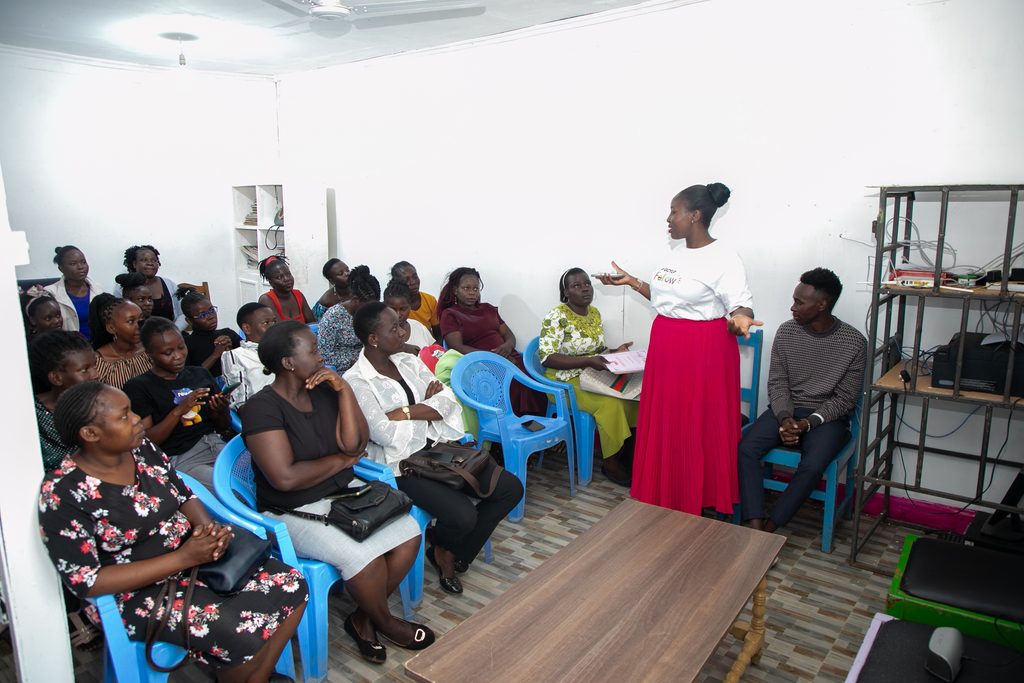
Highlights: The project began with a needs assessment involving more than 120 women to identify digital marketing skills gaps among female small-business owners in Kakamega County. Based on these findings, 31 women entrepreneurs completed a digital marketing training programme covering practical skills for promoting their businesses online. Following the training they subsequently received three months of mentorship to support the implementation of personalized digital marketing plans, helping them apply their new skills directly to their businesses.
Upcoming Phase: The second phase will equip 30 women small-business owners with practical skills in social media marketing, content creation, online visibility, and basic e-commerce. Participants will apply their learning directly to their businesses by establishing online pages, promoting products, and testing digital sales channels. Ongoing mentorship will help them refine their strategies, address challenges, and build confidence in using digital tools.
CarbonTrac
Yasmine Abdu – UK
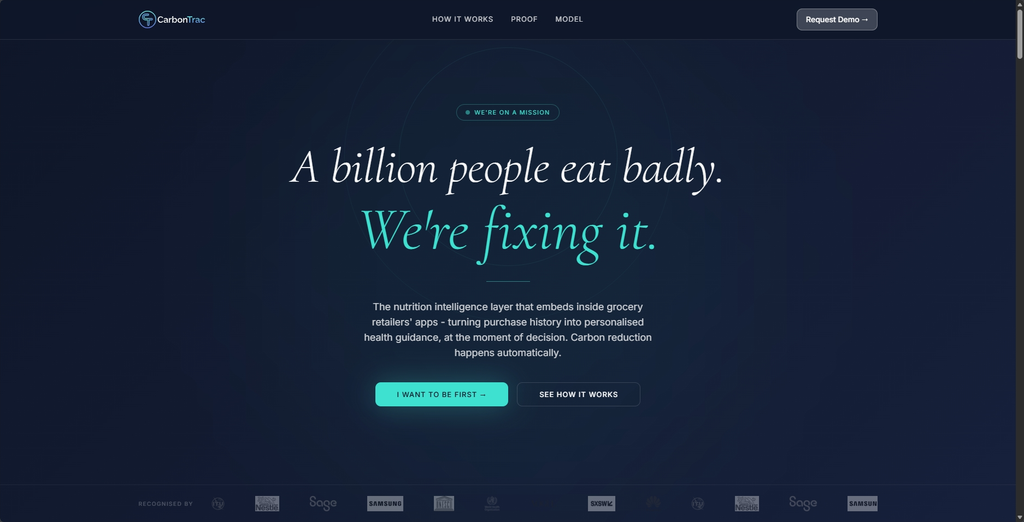
Highlights: CarbonTrac has completed its minimum viable product (MVP) and launched its website, establishing a working foundation for its digital solution. The team is refining its modelling approach through engagement with grocery retail stakeholders. The work supports the continued development of CarbonTrac’s approach to helping users understand the environmental impact of their food choices and make more informed decisions.
Upcoming Phase: With additional grant support, CarbonTrac will expand its existing carbon-scoring approach by integrating nutrition intelligence into its platform. The planned Nutrition Intelligence Layer will combine environmental information with health-related considerations to help users make more informed food choices. The project aims to provide evidence-based, behaviourally informed recommendations that support healthier and more sustainable decisions without adding unnecessary complexity for users.