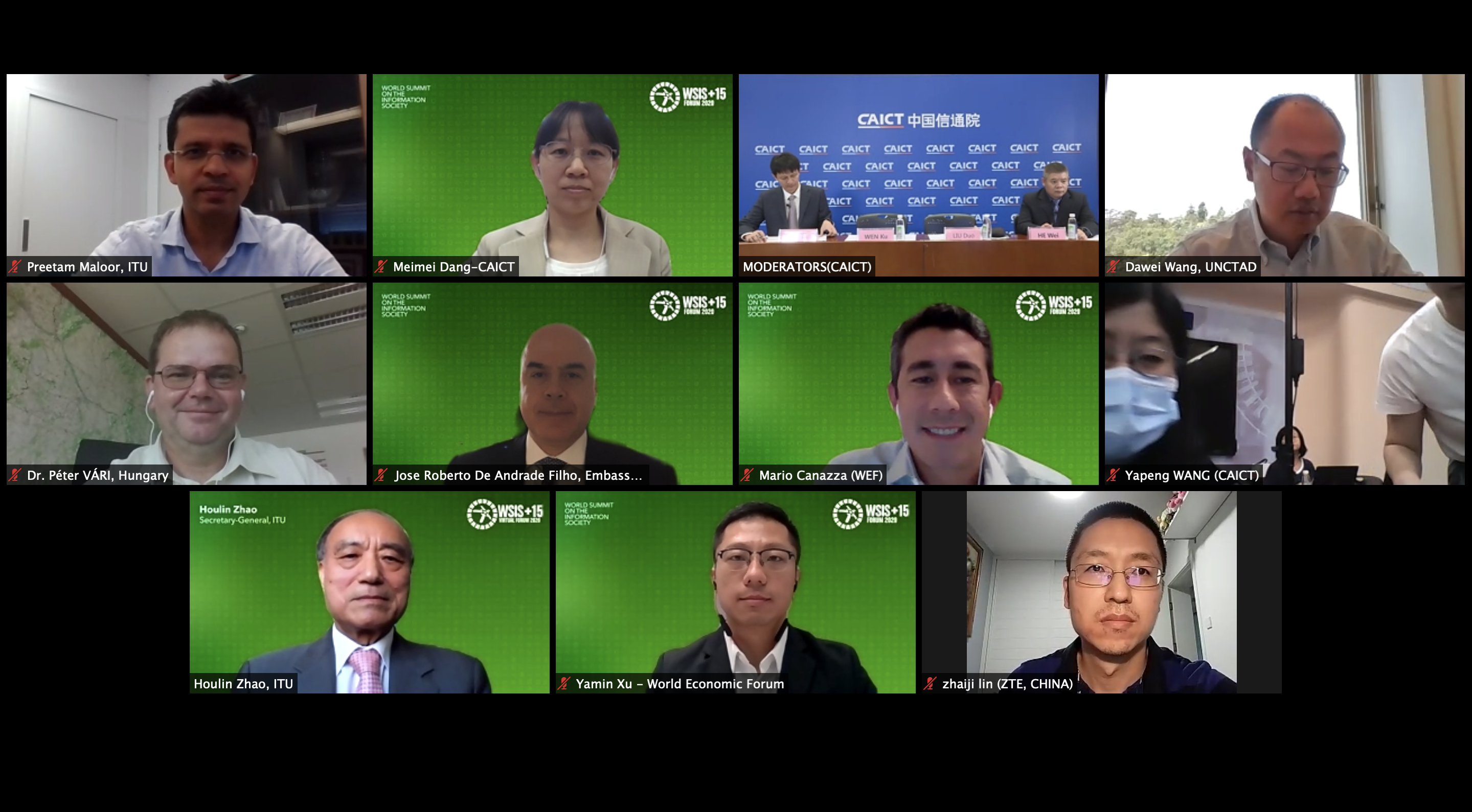
Workshop on Internet-based Poverty Alleviation & Digital Economy
China Academy of Information and Communications Technology
Session 205
The rapid development of digital economy is reshaping the landscape of world economy and human society. Amid the COVID-19 pandemic, the instrumental role of digital economy in restoring economic and social development, creating more jobs and improving the well-beings of people has been further highlighted. Internet-based poverty alleviation is an important means to bridging the digital divide and achieving United Nations Sustainable Development Goals through the use of digital technologies.
WSIS Forum, as a grand gathering of the ‘ICT for development’ community, provides a platform for ITU members, international organizations and other stakeholders to track the achievements of WSIS Action Lines. China Academy of Information and Communications Technology (CAICT) has actively participated in various activities of ITU and WSIS Forum. The "Big Data Platform of Universal Service for Targeted Poverty Alleviation", "Digital China Pilot Project" and “Chinese Children Online Protection System” recommended by CAICT have made outstanding performance in the WSIS Prizes 2020.
In order to further enhance communication with all the stakeholders, we plan to organize an online thematic workshop on Poverty Alleviation and Digital Economy at 12:00 - 13:00 (CEST), July 28, 2020 during the Virtual WSIS Forum 2020. The representatives of governments, international organizations, industry and academia will be invited to share their insights on the issues related to Internet-based poverty alleviation and digital economy.


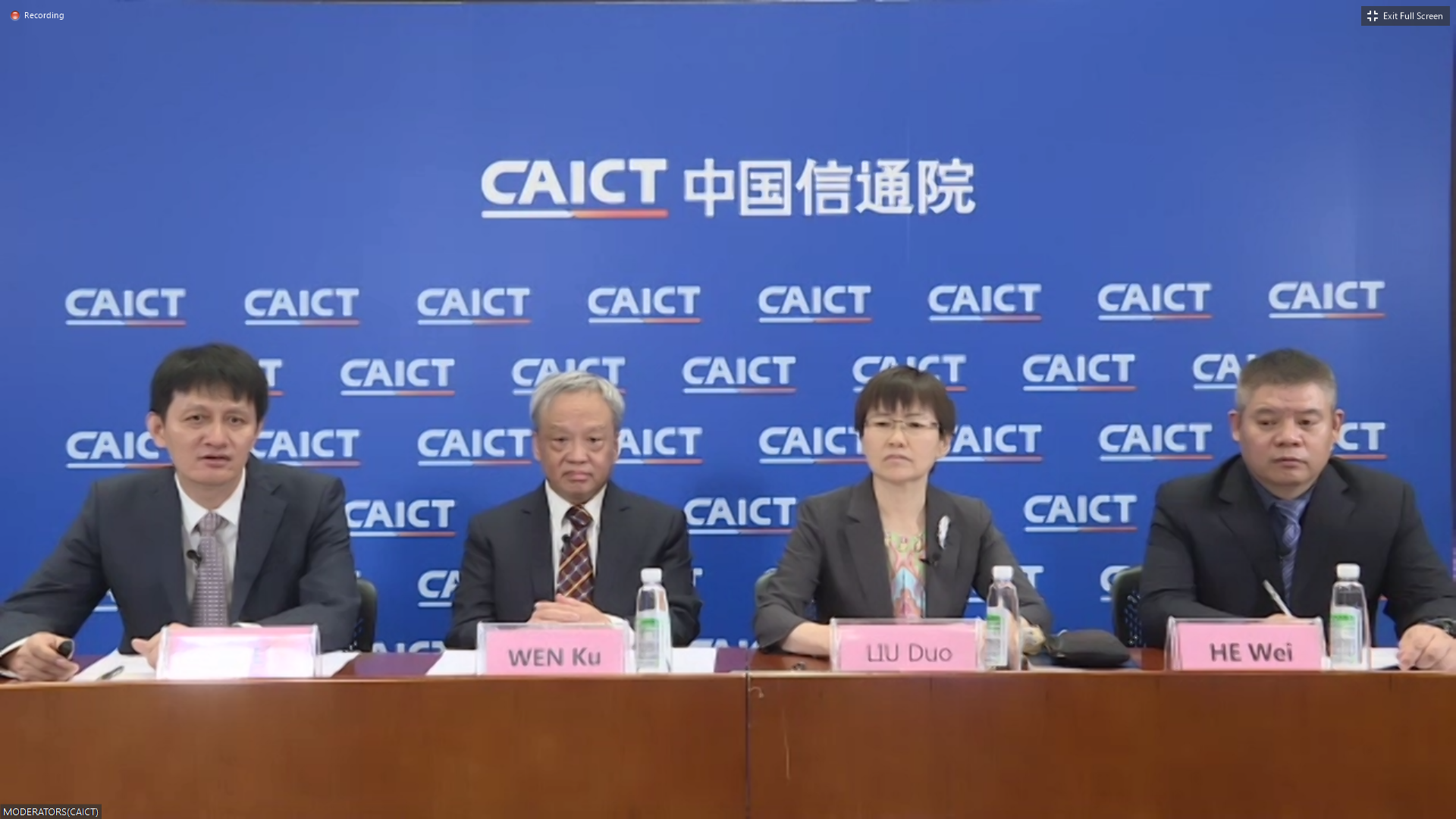
Wen Ku, male, Han nationality, born in Jinan, Shandong, in October 1960. He joined the Communist Party of China in June 1987, and holds a Master of Engineering.
He once served as Deputy Chief Engineer of Shandong Provincial Telecommunications Administration and Head of Shandong Data Communication Bureau. In May 1995, he served as Director of the Network Management Center of the General Administration of Telecommunications of the Ministry of Posts and Telecommunications (MPT). In September 1997, he served as Deputy Director General of the Department of Science and Technology of MPT. In August 1998, he served as Deputy Director General of the Department of Science and Technology of the Ministry of Information Industry (MII). In January 2001, he served as Deputy Director General of the Telecommunications Administration Bureau, MII. In July 2002, he served as Director General of the Department of Science and Technology, MII. In July 2008, he served as Director General of the Department of Science and Technology of the Ministry of Industry and Information Technology (MIIT). In November 2013, he served as Director General of the Communication Development Department, MIIT. In June 2015, he served as Director General of the Department of Information and Communication Development, MIIT.

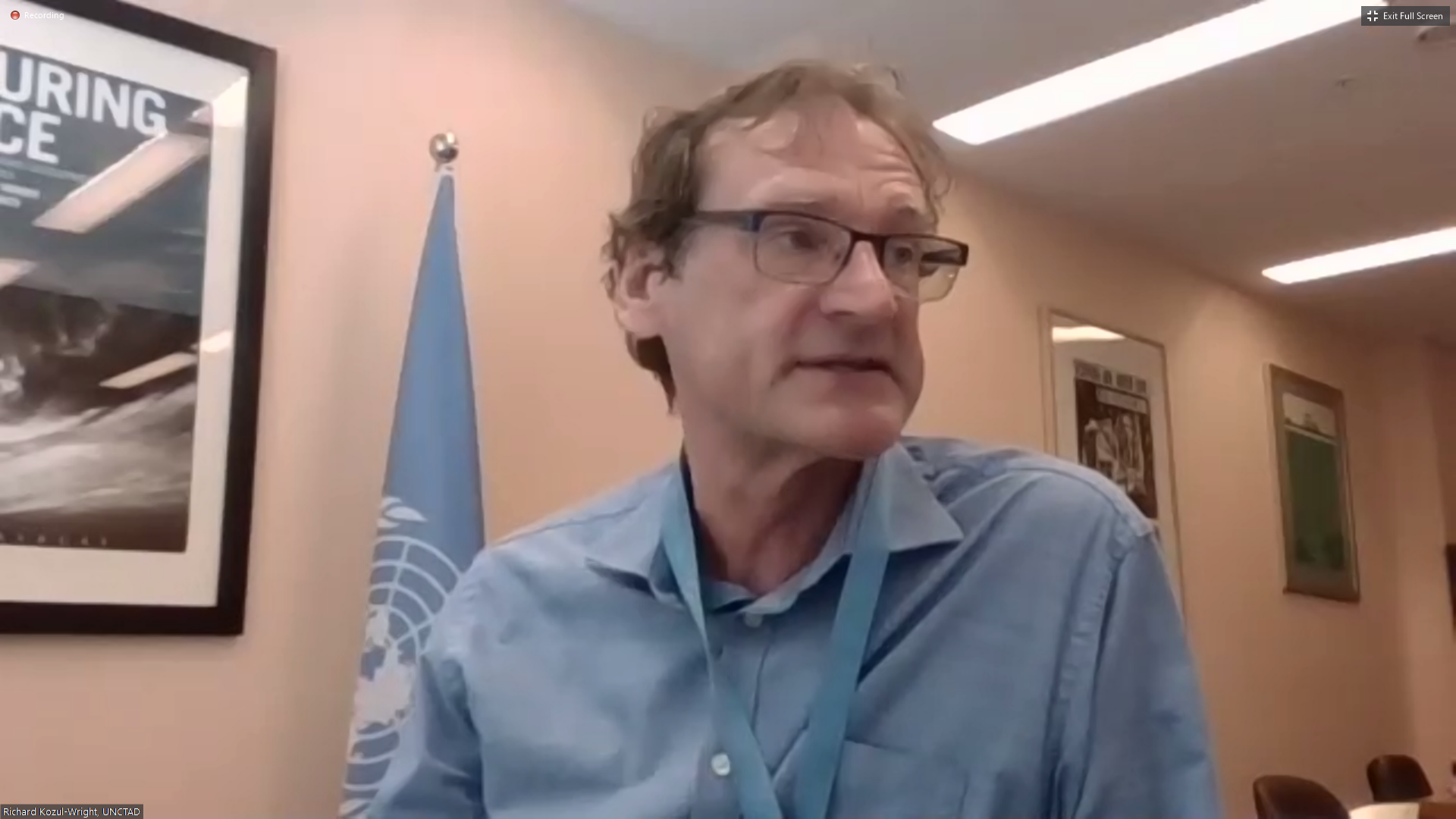
Mr. Richard Kozul-Wright is Director of the Globalisation and Development Strategies Division in UNCTAD. He has worked at the United Nations in both New York and Geneva. He holds a Ph.D in economics from the University of Cambridge UK. He has published widely on economic issues including, inter alia, in the Economic Journal, the Cambridge Journal of Economics, The Journal of Development Studies, and the Oxford Review of Economic Policy.
Mr. Kozul-Wright is one of the key members of the Working Group on the Rights of Future Generations, an initiative based in Dubai, United Arab Emirates.
Mr. Kozul-Wright is the author of many books, among those: The Rise and Fall of Global Microcredit: Development, Debt and Disillusion (2018) with S. Blankenburg and M.-Bateman, Securing Peace: State-Building and Economic Development in Post-Conflict Countries (2011) with P. Fortunato, Climate Protection and Development (2012) with Frank Ackerman, The Resistible Rise of Market Fundamentalism (2008) with Paul Rayment. He has also edited volumes on Transnational Corporations and the Global Economy, Economic Insecurity and Development, Securing Peace, Climate Protection and Development, and Industrial Policy.
In collaboration with Kevin P. Gallagher of the Boston University, he recently published A New Multilateralism for Shared Prosperity – Geneva Principles for a Global Green New Deal.
Mr. Kozul-Wright is a frequent contributor to newspapers worldwide on economic issues: such as the Financial Times, The Guardian, Le Monde, El País, Project Syndicate, among others.

Mr. Mai Yanzhou is a member of the Communist Party of China and a professor-level Senior Engineer. He was a deputy to the 12th National People's Congress (NPC). Mr. Mai graduated from the Department of Electronic Engineering, Zhengzhou University with a bachelor's degree in electronics and information systems and received a master's degree in electronics and information engineering from Beijing University of Posts and Telecommunications. He successively served as General Manager of Network Operation and Maintenance Department, Henan Branch of China Netcom Group, Member of the Party Leadership Group, Deputy General Manager, and Head of the Discipline Inspection Team of the Party Leadership Group of Guangdong Branch of China Netcom Group, Member of Party Leadership Group and Deputy General Manager of China Unicom Guangdong Branch, and Secretary of Party Leadership Group and General Manager of China Unicom Fujian Branch and Liaoning Branch respectively. Mr. Mai is currently Member of the Party Leadership Group and Vice President of China United Network Communications Group Company Limited.
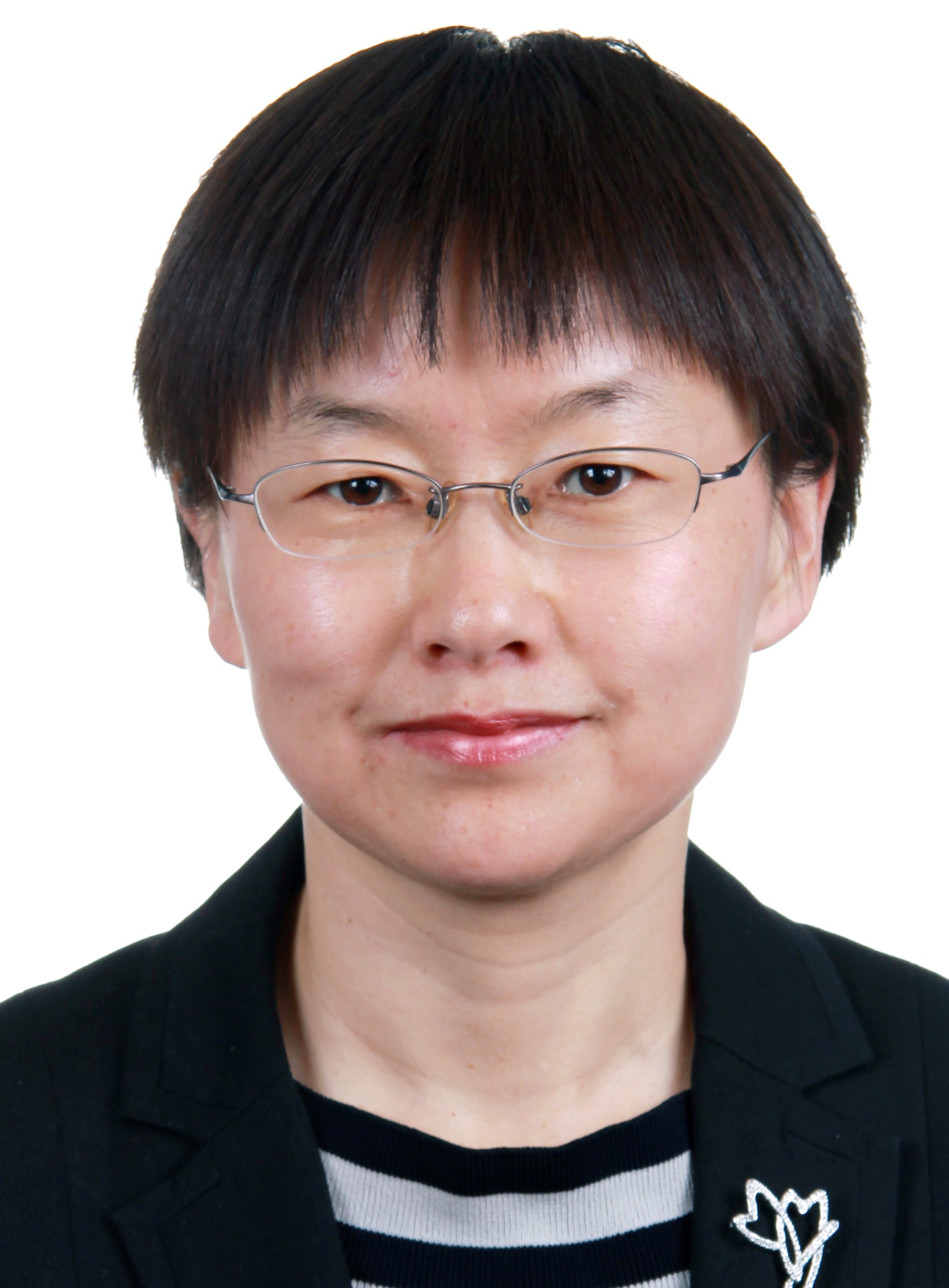
Ms. Liu Duo is President and Professorate Senior Engineer of the China Academy of Information and Communications Technology (CAICT).
She has long engaged in the studies of ICT and its integration in other fields, and mainly taken the lead in the studies of standards, policies and strategies for telecommunications networks, next-generation Internet, industrial Internet, cloud computing, big data, artificial intelligence (AI) as well as cyber and information security etc. As the former Vice Chairman of the ITU-T Study Group on Future Networks, Vice Chairman of the ITU-T IPTV Focus Group and Chairman of the ITU-T IoT Global Standards Initiative, she has made great contribution to the recognition and acceptance of Chinese standards by the international community.
She also serves as Vice Chairman of the China Communications Standards Association (CCSA), Vice President and Secretary-General of the Internet Society of China (ISC), Chairman of the Alliance of Industrial Internet (AII), and Secretary-General of the Artificial Intelligence Industry Alliance (AIIA). Ms. Liu is a recipient of the special government allowance of the State Council.
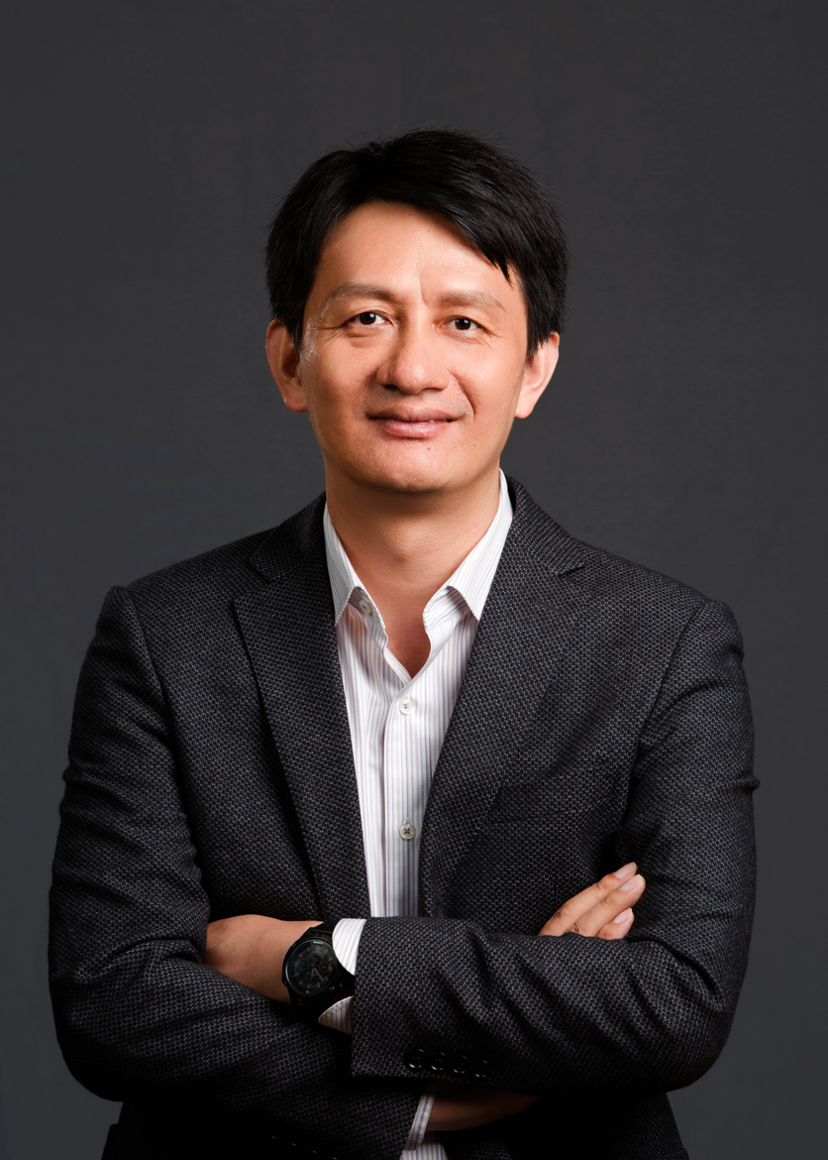
Ao Li, Professorate Senior Engineer, graduated from Beijing University of Posts and Telecommunications in the major of image transmission and processing, and holds a Master of Business Administration from Norwegian School of Management. He is currently the Director of the Research Institute of Technology and Standards, China Academy of Information and Communications Technology (CAICT), Vice Chairman of the Transport and Access Network Technical Committee (TC6), China Communications Standardization Association (CCSA) and head of the Access Network and Home Network Working Group of TC6. He has been long engaged in the research in fields of broadband network, FTTH, broadband access network and smart home. He is deeply involved in the standardization work in the field of broadband access and optical communications in ITU-T SG15. He contributed to the development of China's FTTH network and industry and the establishment of China's broadband Internet access speed monitoring system and the monitoring system of universal telecommunications services.
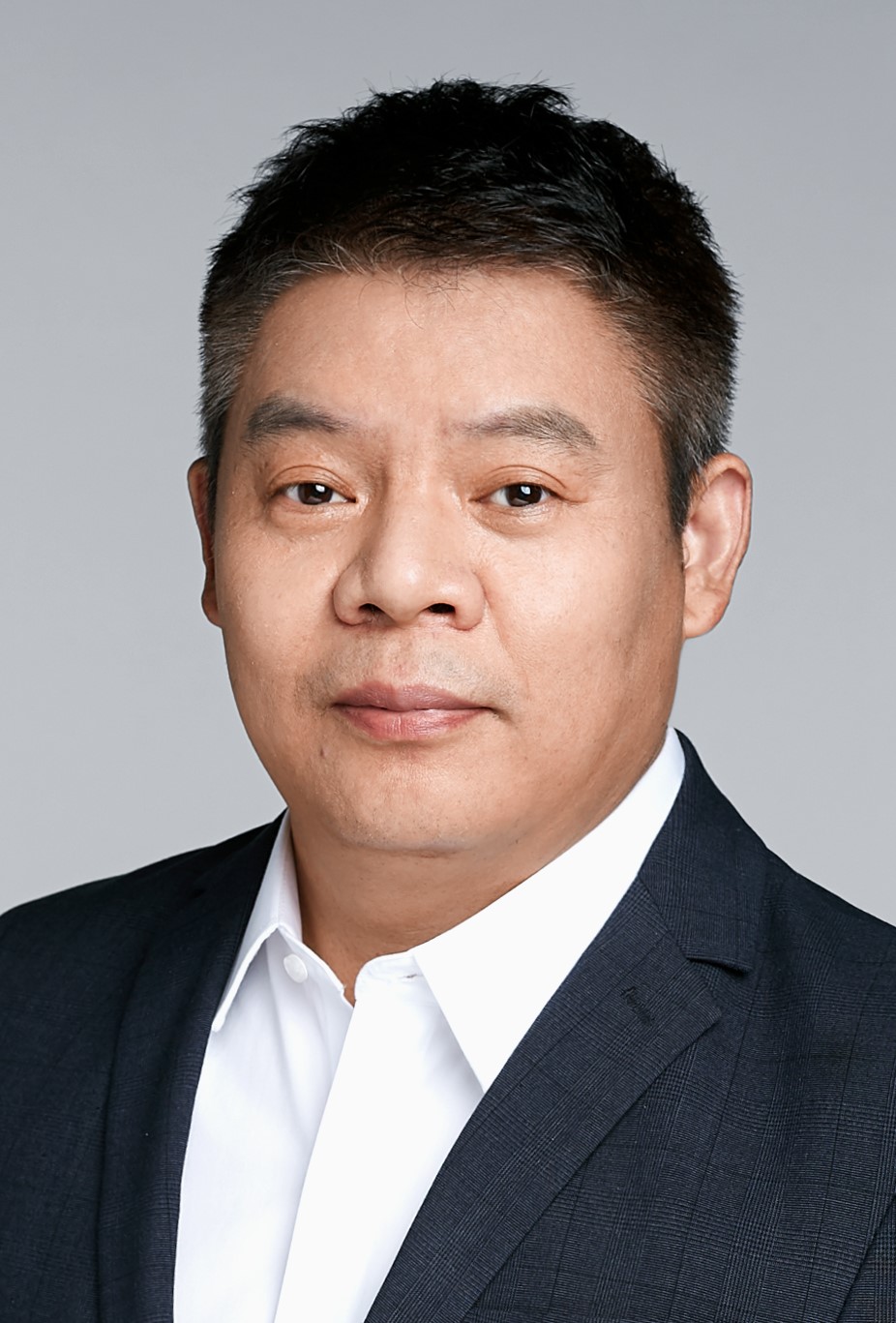
He Wei, Deputy Director of the Policy and Economics Research Institute, CAICT and a senior engineer. He has long been engaged in strategy, planning and policy research in the fields of ICT industry, digital economy and telecommunication regulation. He is the chairman in the field of Digital Economy and Legal Regulation in CAICT, and the chairman of the General Group of Digital China Industry Alliance. He has led the preparation of the "White Paper on China’s Digital Economy", the "Report on the Development of Digital China Industry", "White Paper on China’s Broadband Development White Paper" and many other reports.

Dr. Péter VÁRI Phd. Born on August 22, 1969 in Hungary. In 1987-1990 – attended Széchenyi István Technical College majoring as wireless networking technology engineer. In 1994 – graduated from the Budapest University of Technology as Electrical Engineer in telecommunications field. In 2001 – earned the postgraduate certificate at the Budapest University of Economic Studies as an Engineer-economist. In 2003 – completed the postgraduate course at Eötvös Lóránd University (ELTE), Budapest as an Engineer-lawyer. In 2017 – finished Ph.D. studies on the Corvinus University of Budapest on the topic of Digital Television and Switchover. In 1992-1993 – worked as an engineer for Matáv Rt. the largest telecommunications operator in Hungary. From 1993-2004 – worked for Antenna Hungária Rt. the Hungarian Broadcasting and Radio Telecommunications Limited Company, started as Head of Unit he worked his way up to become Director of Operational Matters. In 2004-2006 – Head of Department in the Ministry of Informatics and Communications of Hungary, and in 2006-2008 – Senior Counselor of the Government at the Hungarian Prime Minister’s Office. In 2009 – as a project manager he began to coordinate the digital switchover at Antenna Hungária Rt., and in 2011 began to work in the National Media and Infocommunications Authority of Hungary (NMHH). Currently as a Deputy Director General of NMHH, he is responsible for the fields of frequency and identifier management, measurement affairs and technology analysis. Mr. Vári is associate professor of the Department of Telecommunications at Széchenyi István University of Győr, he gives courses in the field of radio systems and satellite telecommunications.
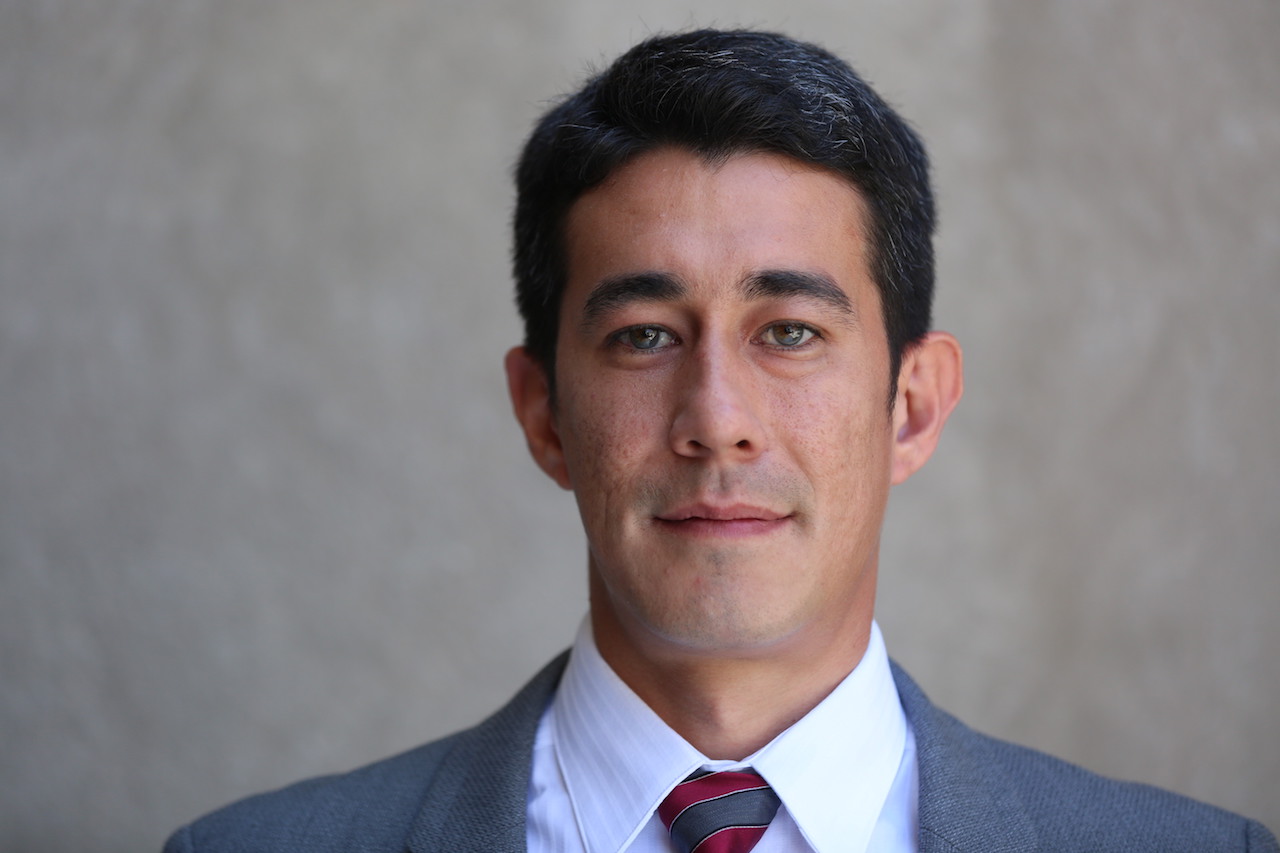
Mario R. Canazza is a government affairs lead in the World Economic Forum. He is currently managing the development of country Affiliates in the World Economic Forum’s Centre for the Fourth Industrial Revolution (C4IR) network, supporting the establishment of tech governance frameworks and policy in new and emerging technologies such as AI, IoT, blockchain, data, drones, autonomous vehicles and precision medicine. He is also a focal point in the C4IR network for ICT issues and for partnerships with International Organizations.
From 2008 to 2020, Mario was head of the Brazilian delegation and managed the participation of Brazil in the Council, the Plenipotentiary Conference and several world conferences and assemblies of the International Telecommunication Union (ITU/UN) and the Inter-American Telecommunication Commission (CITEL/OAS). Mario has been a constant contributor and chair of Committees in the ITU, helping the membership advance many issues on Internet policy and new and emerging technologies. From 2013-2018, he chaired the elaboration of the strategic and financial plans of the ITU. He also chaired the Committee on the ITU Action Plan at the 2014 World Telecommunication Development Conference in Dubai, UAE.
Formerly, Mario worked as a consultant in the telecommunication industry, serving clients in Brazil, Europe, Israel, Southeast Asia and the USA. Mario earned his Master of Public Administration (MPA) degree from Columbia University in New York City.

MeiMei Dang, vice chief engineer of the ITSR(Institute of Technology and Standards Research), CAICT. She has rich experience in ICT research. In recent years, she had dedicated to research on broadband netweork, universal service , wireless access , Internet of Things, etc.
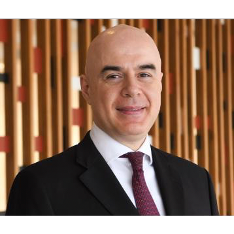
JOSÉ ROBERTO DE ANDRADE FILHO
Counsellor, career diplomat of the Ministry of Foreign Affairs of Brazil;
Bachelor and MSc degrees in Business Administration from Fundação Getulio Vargas, São Paulo;
Head of the Section of Science, Technology and Innovation at the Embassy of Brazil in Beijing, since February 2019;
In the course of his diplomatic career, served in different posts in Geneva, Switzerland, (following global health at World Health Organization), La Paz, Bolivia (trade promotion) and Colombia (consular affairs and in a mission following the peace process with armed groups);
Speaks Portuguese, Spanish, French, Danish and English.

Preetam Maloor is the Head of the Emerging Technologies Division at the International Telecommunication Union (ITU), the specialized United Nations Agency for Information and Communication Technologies. With two decades of experience in ICTs, he is an expert on Artificial Intelligence and international cyber-related public policy matters. An ITU Staff member since 2008, he has been a key member of the ITU Secretariat at several major conferences including the 2012 World Conference on International Telecommunications (WCIT), 2010, 2014 and 2018 ITU Plenipotentiary conferences, the 2009, 2013, and 2022 World Telecommunication/ICT Policy Forums (WTPF), and the annual AI for Global Good Summit. He also serves as the Secretary of the ITU Council Working Group on international Internet-related public policy issues and the Expert Group on the International Telecommunication Regulations.
Prior to joining ITU, Preetam spent nearly 10 years in the private sector, working primarily at Artificial Intelligence research organizations such as Intelligent Automation Inc, a Rockville, Maryland-based research think-tank focusing on AI-based applications, and at AT&T Research Labs, Florham Park, New Jersey in its Speech & Natural Language Research Group. He holds Master’s degrees in Computer Science from Texas A&M University, College Station, and in Engineering and Public Policy from the University of Maryland, College Park. He has a Bachelor’s degree in Computer Science and Engineering from the University of Mumbai.
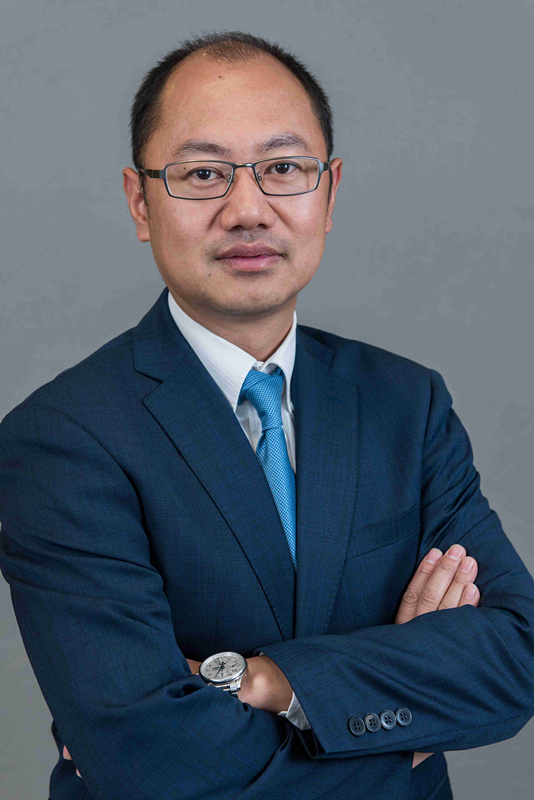
Mr. Wang Dawei is currently an economic affairs officer at the United Nations Conference on Trade and Development (UNCTAD). Prior to joining UNCTAD, he worked for Ministry of Commerce of China and Chinese Mission to the UN at Geneva for over 12 years with the portfolio focused on multilateral economic and development policy and international organizations affairs. His research interests include multilateralism and globalization, industrial policy, digital economy, sustainable development and South-South economic cooperation. He holds the degree of MPA from Harvard Kennedy School, Master in Development Studies from Graduate Institute of Geneva (IHEID) and degree in international relations from Peking University.
Zhaoji Lin is the vice-chairman of ITU-T SG17 and co-chair of Working Party 4 of ITU-T SG17. He works as an ICT Security Standardization director at ZTE Corporation. He was also active in many international and regional standards organizations, including Open Mobile Alliance (OMA), Internet Engineering Task Force (IETF) and China Communications Standards Association (CCSA) in the areas of device management, digital rights management, identity management, IoT security, cloud computing security and 5G security. He is the author, editor, and co-editor of many ITU-T recommendations, OMA specifications and CCSA standards.

Yamin takes lead of international public-private collaboration on IoT and Smart City domain in World Economic Forum.
He has more than 15 years of experience in this domain. He started to work as an engineer in the ABB China and then made a career in Schneider Electric which led him to the management positions in Business Development and Strategy planning of Smart Building Services. He pioneered the first Chinese Cloud-based energy management platform for both retail and commercial complex segments.
Yamin joined Engie - a leading French energy company in 2015. He held various managing positions in the industrial internet and smart city businesses of the company. He led several M&A deals in intelligent city infrastructure-related projects and also acted as the IoT representative in China.
Yamin holds two Masters’ of Engineering from France (Ecole Nationale Superieure D’Ingenieurs En Informatique,Automatique Mecanique,Energetique Electronique) and China (Peking University).
-
 C1. The role of governments and all stakeholders in the promotion of ICTs for development
-
 C7. ICT applications: benefits in all aspects of life — E-government
-
 C9. Media
-
 Goal 1: End poverty in all its forms everywhere