High-level Dialogue: Ensuring Trustworthy Healthcare in an AI World
International Telecommunication Union
Session 359
Artificial Intelligence (AI) holds great potential to improve society’s health and well-being, and advance progress towards the United Nations Sustainable Development Goals. AI can improve the quality of affordable services, optimize the distribution of resources in underdeveloped and understaffed communities, and create inclusive and responsive solutions for healthcare, diagnosis, triage or treatment decisions.
However, it is not enough to deploy these solutions in the wild. We must also examine how these applications can elevate the quality of work and life for patient and medical practitioners, including reducing burnout and opening more avenues for better work-life balance, while at the same time ensuring that AI solutions are transparent and traceable, in order to avoid any potential bias issues, and protect privacy and personal medical information.
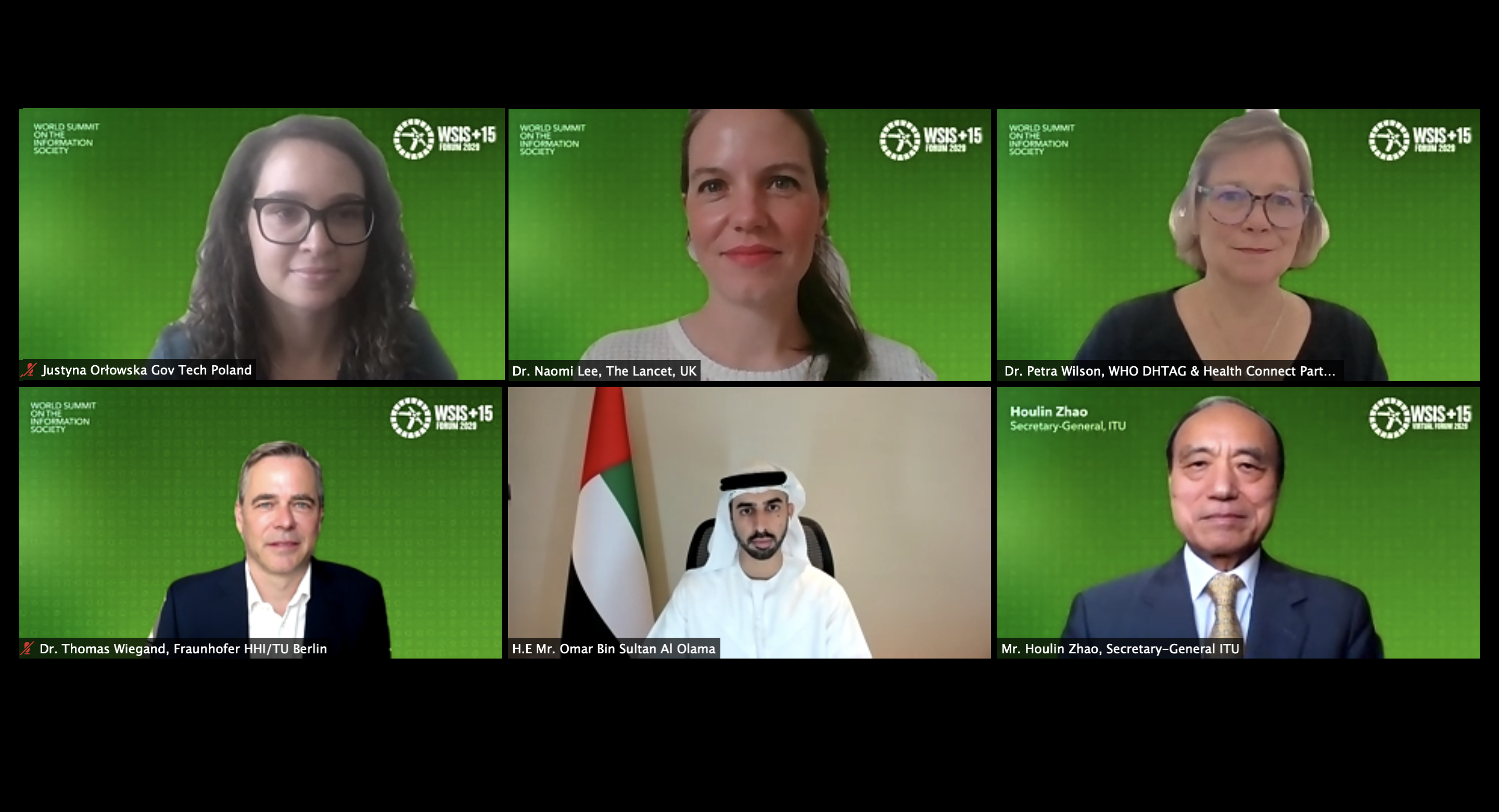
This session will convene leaders from the public and private sector to explore the policy imperatives and solutions that are central to building trustworthy AI for people-centric health.
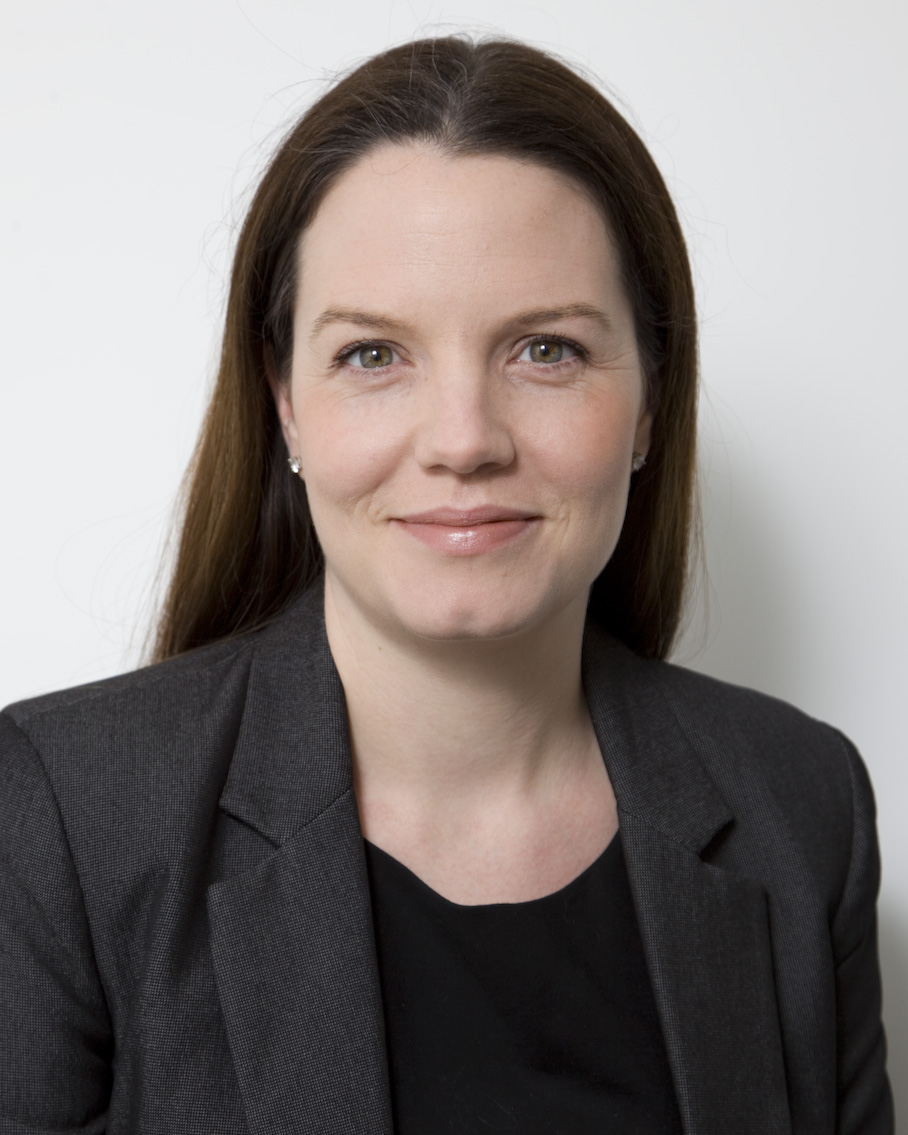
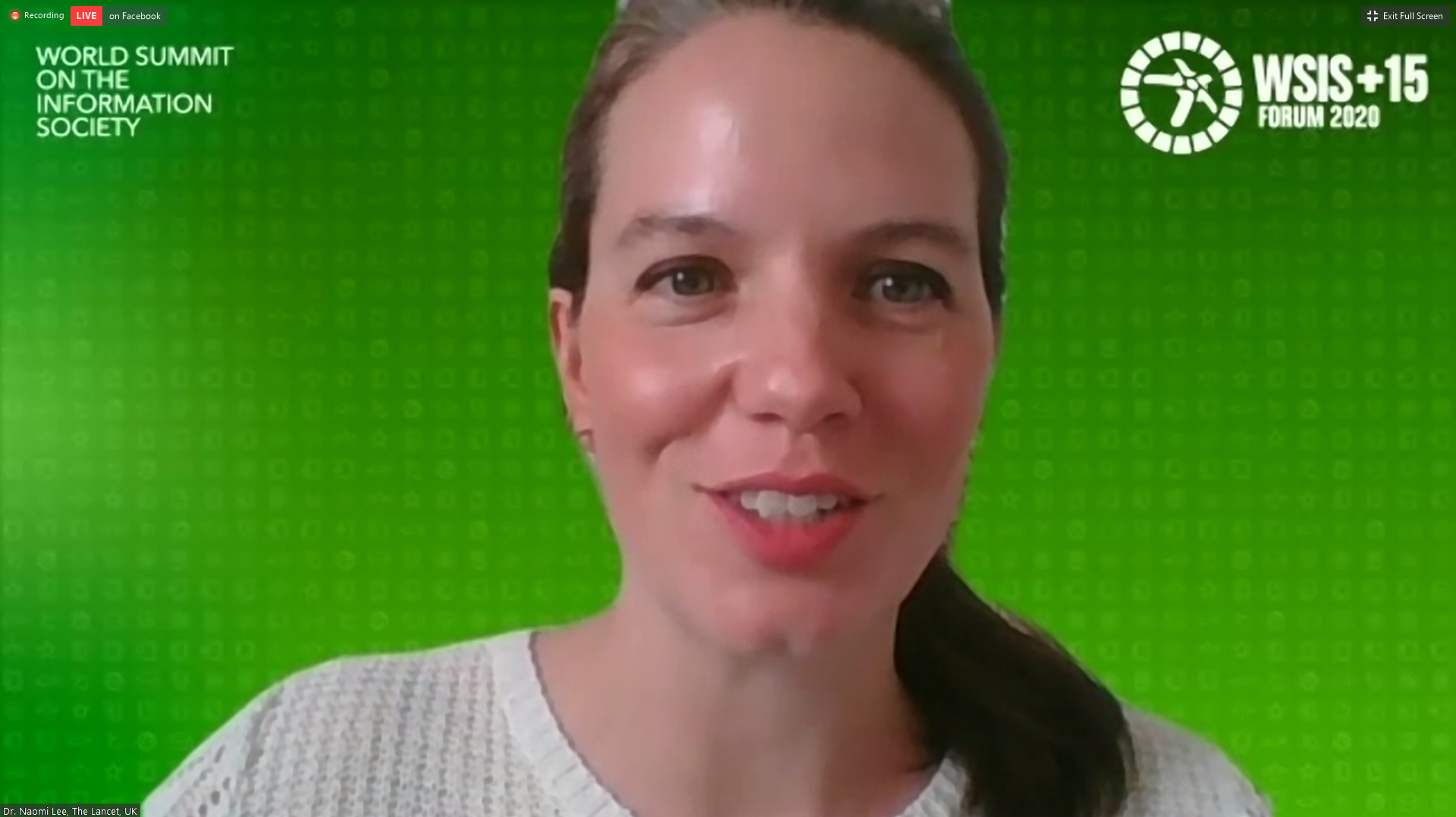
Naomi Lee is the Executive Editor (Digital) at the leading medical journal The Lancet. Naomi handles peer review and commissioning in her specialist areas of surgery, digital medicine/AI, and medical technology. As part of the marketing and communications team, she is also leading the digital transformation of The Lancet group. Naomi trained in surgery, specialising in urology and has worked in the United Kingdom, Argentina, and Mexico. She studied medicine at Cambridge University and King’s College London, and data science at University College London. Naomi joined The Lancet in 2014.
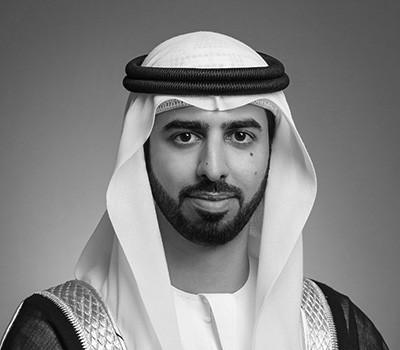
His Excellency Omar bin Sultan Al Olama has been appointed as Minister of State for Artificial Intelligence following the Cabinet reshuffle of October 2017. His responsibilities include enhancing the government performance by investing the latest technologies and tools of artificial intelligence and applying them in various sectors.
Al Olama is currently the Managing Director of the World Government Summit in the Prime Minister’s Office at the Ministry of Cabinet Affairs and the Future. His Excellency has been working as the Deputy Director of the Future Department at the Ministry of Cabinet Affairs and the Future. Al Olama contributed to the preparation of the UAE Centennial 2071 strategy and the UAE 4th Industrial Revolution Strategy.
His Excellency holds a Diploma in Project Management and Excellence from the American University of Sharjah and a Bachelor of Business Administration from the American University of Dubai.
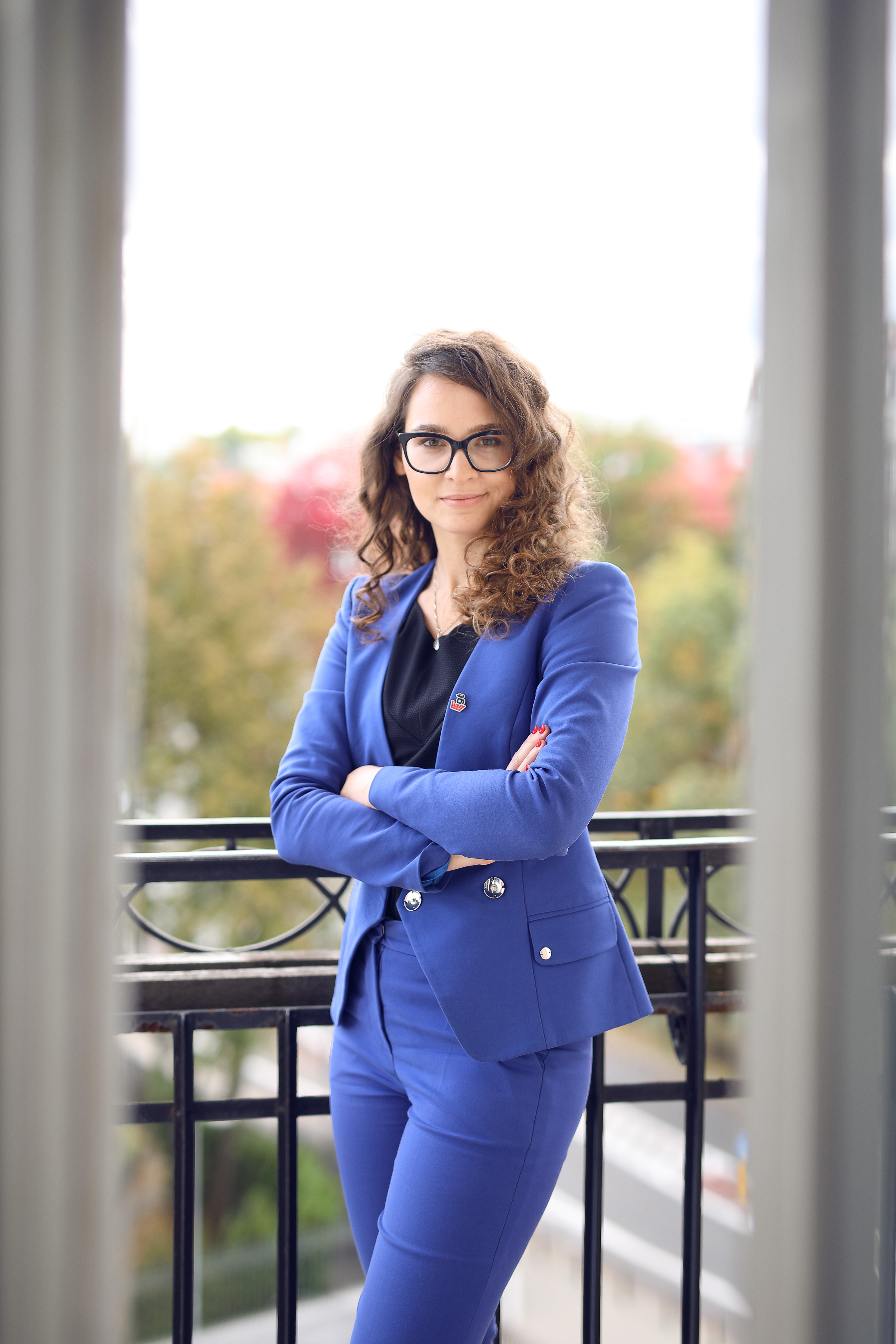
Leading expert in corporate finance and fund management. Having previously worked in consulting, in 2016 she became an advisor to the Minister of Economic Development. Responsible for management of the State's innovative projects portfolio, she spearheaded the MinFinTech programme as well as the creation of the Lektury.gov.pl portal. In 2017 appointed an Advisor to the Prime Minister on Innovation Policy and Finance. Since the Programme's establishment in April 2018, serving as Head of the GovTech Poland Programme - Poland's largest initiative aimed at bringing and implementing the innovation and digital revolution to the Public Sector.
Appointed to Prime Minister’s High Representative for Government Technology in March 2020.
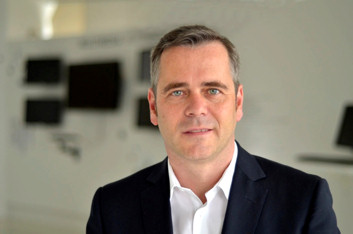
Thomas Wiegand is a professor in the department of Electrical Engineering and Computer Science at the Technical University of Berlin and is jointly heading the Fraunhofer Heinrich Hertz Institute, Berlin, Germany. He was a visiting professor at Stanford University and co-founded several startup companies. For his research and publications, he received numerous awards. Thomson Reuters named him in their list of “The World’s Most Influential Scientific Minds” as one of the most cited researchers in his field. He has been elected to the German National Academy of Engineering (Acatech) and the National Academy of Science (Leopoldina). He is a recipient of the ITU150 Award. Since 1995, he has been an active participant in standardization for multimedia with many successful submissions to ITU-T and ISO/IEC. In 20 00, he was appointed as the Associated Rapporteur of ITU-T VCEG.
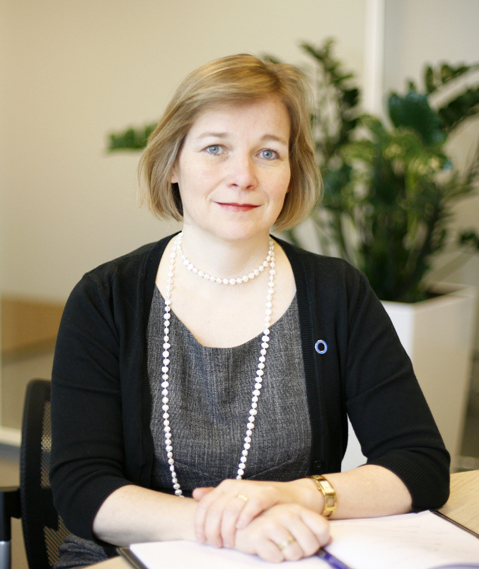
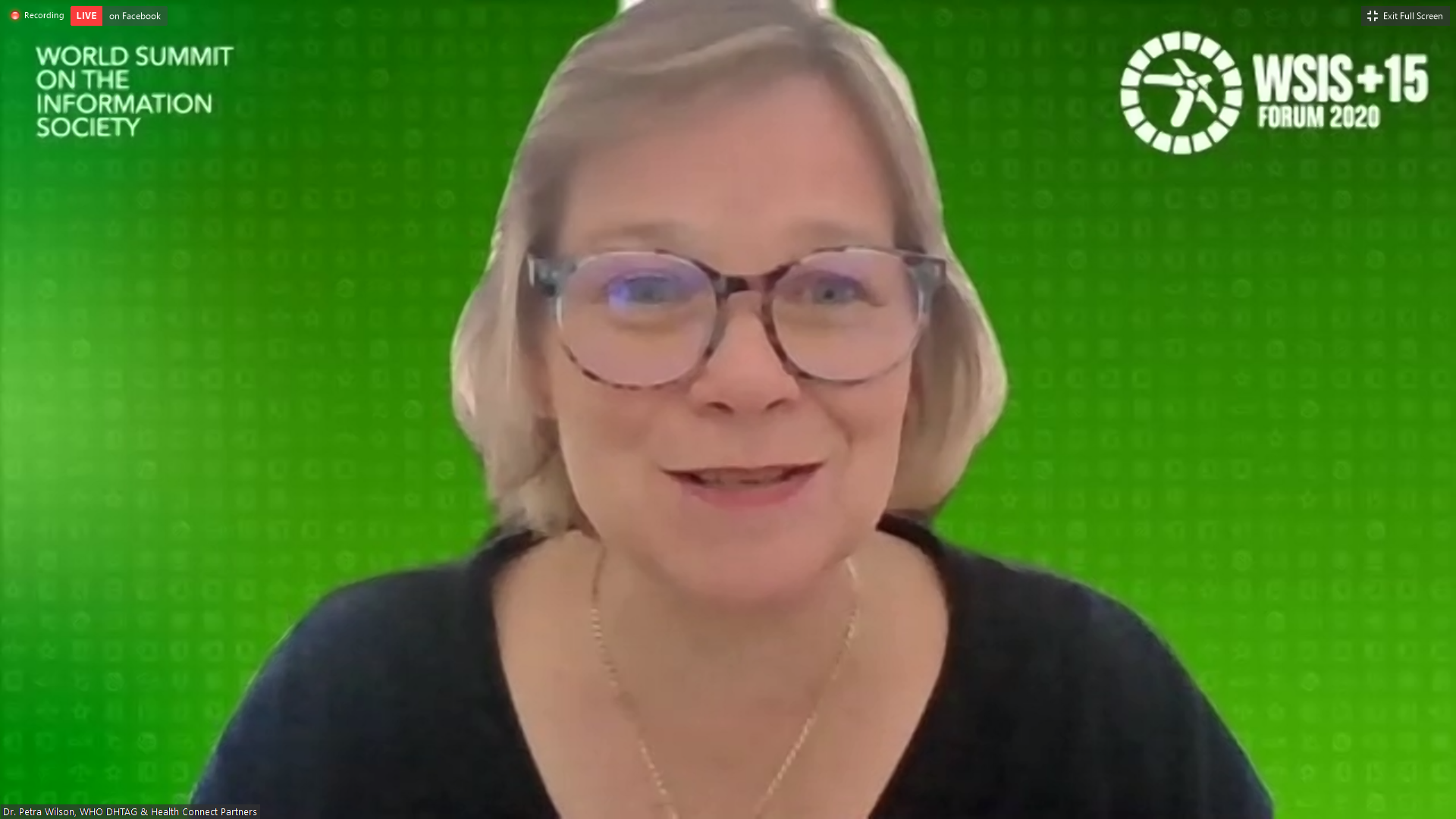
Petra’s experience in healthcare spans more than 20 years and covers academia, civil service, corporate and NGO sectors. Petra is head and CEO of Connected Health Partners. She also works as a Senior Advisor in the large international consultancy firm FTI Consulting, leading new work for the healthcare team, and is a Member of WHO's Digital Health Technical Advisory Group, where she co-leads the work stream on normative and governance issues in collaboration with Dr Susann Roth (Aisan Development Bank).
Petra has previously held the posts of CEO of the International Diabetes Federation, and Senior Director of Connected Health in Cisco. Prior to that, she served for eight years as a scientific officer in the eHealth Unit at the European Commission. Before moving to Brussels she was a Senior Lecturer in healthcare law at Nottingham University in the UK.
Through her years at Cisco Petra developed a deep expertise in eHealth and mHealth and during this time served as chair of the HIMSS (Europe) Council and was the founding Secretary General of the Continua Health Alliance (Europe). Petra has published widely on eHealth including drafting expert reports for the WHO on this issue.
-
 C5. Building confidence and security in use of ICTs
-
 Goal 3: Ensure healthy lives and promote well-being for all