WSIS Forum 2026: Final Briefing
ITU, UNESCO, UNDP, UNCTAD
Session 106
Thursday, 4 June 2026
14:00–15:30 (UTC+02:00)
Physical (on-site) and Virtual (remote) participation
Popov Room, ITU Tower Building
Interactive Session
2 Documents
Open Consultation Process (OCP)
The Open Consultation Process for WSIS Forum 2026 has provided a platform for stakeholders to share perspectives, contribute insights, and shape the agenda and programme, ensuring a meaningful and impactful event.
This is the final meeting in the Open Consultation Process, providing the latest updates on preparations for the WSIS Forum 2026, scheduled to take place from 6 to 10 July 2026.
This meeting aims to encourage open dialogue, active participation, and continued progress toward the Event. Stakeholders are invited to take part in this important discussion.
Panellists

Doreen Bogdan-Martin
Secretary-General
International Telecommunication Union (ITU)
.jpg?maxwidth=250)
H.E. Mr. Solly Malatsi
Minister
Department of Communications and Digital Technologies (DCDT), South Africa (Republic of)
Chair of the WSIS+20 High-Level Event 2025

H.E. Mr. Raafat Hendy
Minister
Ministry of Communications and Information Technology
Chair Designate of the WSIS Forum 2026

Mr. Jorge Cancio
Co-Head of International Affairs
Swiss Federal Office of Communications (OFCOM), Swiss Confederation

Ms. Mariya Gabriel
Assistant Director-General for Communication and Information
United Nations Educational, Scientific and Cultural Organization (UNESCO)

Mr. Angel Gonzalez Sanz
Officer-in-Charge, Division on Technology and Logistics
United Nations Conference on Trade and Development (UNCTAD)
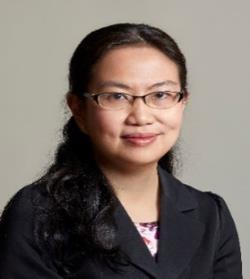
Ms. Yu Ping Chan
Head of Digital Partnerships and Engagement
United Nations Development Programme (UNDP)
Remote Panellist

Ms. Nur Sulyna Abdullah
Chief, Strategic Planning and Membership, and Special Advisor to the Secretary-General
International Telecommunication Union (ITU)
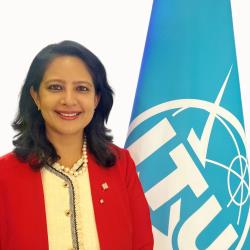
Gitanjali Sah
Head, WSIS and Stakeholder Engagement Division
International Telecommunication Union (ITU)
Moderator
WSIS Action Lines
-
 C1. The role of governments and all stakeholders in the promotion of ICTs for development
-
 C2. Information and communication infrastructure
-
 C3. Access to information and knowledge
-
 C4. Capacity building
-
 C5. Building confidence and security in use of ICTs
-
 C6. Enabling environment
-
 C7. ICT applications: benefits in all aspects of life — E-government
-
 C7. ICT applications: benefits in all aspects of life — E-business
-
 C7. ICT applications: benefits in all aspects of life — E-learning
-
 C7. ICT applications: benefits in all aspects of life — E-health
-
 C7. ICT applications: benefits in all aspects of life — E-employment
-
 C7. ICT applications: benefits in all aspects of life — E-environment
-
 C7. ICT applications: benefits in all aspects of life — E-agriculture
-
 C7. ICT applications: benefits in all aspects of life — E-science
-
 C8. Cultural diversity and identity, linguistic diversity and local content
-
 C9. Media
-
 C10. Ethical dimensions of the Information Society
-
 C11. International and regional cooperation
Sustainable Development Goals
-
 Goal 1: End poverty in all its forms everywhere
-
 Goal 2: End hunger, achieve food security and improved nutrition and promote sustainable agriculture
-
 Goal 3: Ensure healthy lives and promote well-being for all
-
 Goal 4: Ensure inclusive and equitable quality education and promote lifelong learning opportunities for all
-
 Goal 5: Achieve gender equality and empower all women and girls
-
 Goal 6: Ensure access to water and sanitation for all
-
 Goal 7: Ensure access to affordable, reliable, sustainable and modern energy for all
-
 Goal 8: Promote inclusive and sustainable economic growth, employment and decent work for all
-
 Goal 9: Build resilient infrastructure, promote sustainable industrialization and foster innovation
-
 Goal 10: Reduce inequality within and among countries
-
 Goal 11: Make cities inclusive, safe, resilient and sustainable
-
 Goal 12: Ensure sustainable consumption and production patterns
-
 Goal 13: Take urgent action to combat climate change and its impacts
-
 Goal 14: Conserve and sustainably use the oceans, seas and marine resources
-
 Goal 15: Sustainably manage forests, combat desertification, halt and reverse land degradation, halt biodiversity loss
-
 Goal 16: Promote just, peaceful and inclusive societies
-
 Goal 17: Revitalize the global partnership for sustainable development

GDC Objectives
- Objective 1: Close all digital divides and accelerate progress across the Sustainable Development Goals
- Objective 2: Expand inclusion in and benefits from the digital economy for all
- Objective 3: Foster an inclusive, open, safe and secure digital space that respects, protects and promotes human rights
- Objective 4: Advance responsible, equitable and interoperable data governance approaches
- Objective 5: Enhance international governance of artificial intelligence for the benefit of humanity