Redefining Tech Hub Business Models Post Covid: A New Approach to Startup Support
UN International Trade Centre (ITC)
Session 243
Technology hubs across Africa are creating a snowball effect that underpins the continent’s digital transformation. Their support to start-ups contributes to entrepreneurial ecosystems. But tech hubs struggle to earn revenue and become financially sustainable, especially since the breakout of the pandemic.
To understand better what are the most important parameters of tech hub sustainability, ITC interviewed 39 hubs across 21 African countries. These tech hub leaders share best practices on their operations and business models. The report that was prepared based on these findings, Supporting Start-Ups: Tech Hubs in Africa, and released in July 2020, examines what hubs do, why they emerge and how they make an impact. It also looks at how hubs can ensure their own financial viability so they can provide sustainable support to African entrepreneurs, which will be particularly important in the post-Covid19 recovery phase.
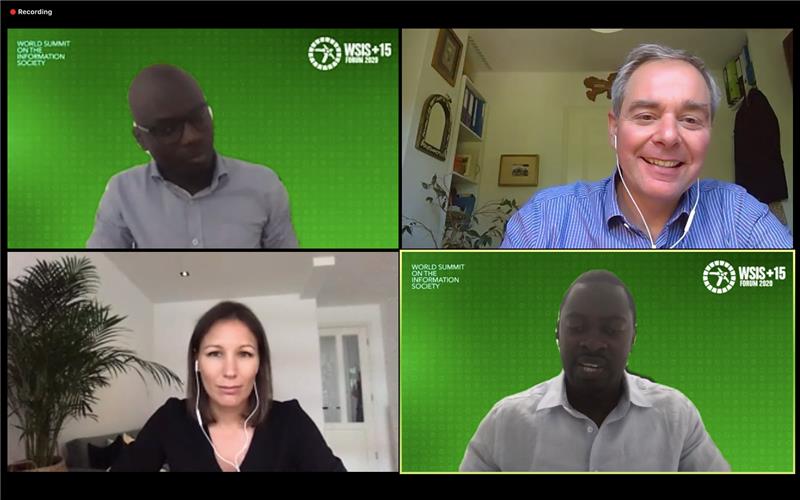
In this WSIS 2020 session, the panel will discuss the impact of the pandemic on the work of tech hubs as ecosystem enablers and first-line support to startup founders. Disruptive Lab and Innovation Village Kampala will discuss how traditional hub business models are being affected. Tech hubs are by design community places: how can their activity be shifted online?Rockstart and Concree will share their experience in this regard. The panel will then be asked about the future of tech hubs: what will it look like post-Covid-19?
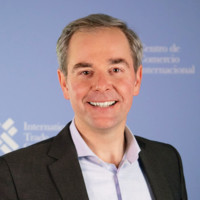
Tech Sector Development coordinator. Martin supports the internationalization of African tech startups & IT SMEs at the UN International Trade Centre through training, coaching and B2B events. We connect our clients with potential business partners and investors interested in the African Tech Ecosystem through digital marketing and traditional networking techniques. Martin set up ITC’s Tech Sector Development practice. Before joining ITC in 2005, he worked at the French Trade Commission in London and in Kazakhstan.

Founder/CEO – PointClick Technologies and The Disruptive Lab. Malik Khan has over twenty years of experience in the Information Technologies Managed Services, Cloud and Consulting Industry. In 2007, Malik founded PointClick Technologies to focus on end to end cloud hosting services that spans beyond Infrastructure Management. Today, PointClick has grown to hosting and managing many well-known brands and organizations such as the National Football League, Autotrader.com, Under Armor, and more. Malik is an occasional sought-after speaker at industry trade shows such as Microsoft Inspire, Microsoft Hosting Summit ChannelPro Network, Ingram Micro, etc.
The Disruptive Lab is a co-working space and innovation center that promotes innovative entrepreneurship for startups in Emerging markets such as The Gambia. The Disruptive Lab, a part of the Innovate Gambia initiatives is presented and fully funded by PointClick Technologies.. The space offers shared workspaces such as desks, private office and conference rooms to tech start-ups, tech companies and a diverse group of professional services companies that serve The Gambia's tech community.

Director Corporate Engagement, has been been with Rockstart since 2017. Before joining the largest accelerator in The Netherlands, she worked as Director for Business Development at C.Change.Co. As a policy officer at the Dutch Ministry of Foreign Affairs, she dealt with the Sustainable Economic Development portfolio.
Rockstart launched in 2011 in Amsterdam as one of Europe’s first startup accelerators. Today, Rockstart is an international company that supports and empowers the best startups on their way to success across four domains: Energy, Health, AgriFood, and Emerging technologies. We provide startups with access to the capital, market, community, and expertise by connecting them to partners, investors, mentors and the wider Rockstart network.

Cofondateur Baobab Entrepreneurship Dakar, Head of CONCREE. Babacar defines himself as a project manager by training but as an entrepreneur serving other entrepreneurs by purpose. After a successful mission at Airbus, he decided to launch his first venture, CONCREE, to support early stage entrepreneurs in Africa and its diaspora. His second startup LezGo is the world's first E.R.M Entrepreneur Relationship Management solution that helps entrepreneurial support organizations succeed in their mission.
Along with his entrepreneurial endeavor, Babacar helps organizations such as OPAL and Shops Plus in partnership with USAID better collaborate with the Senegalese startup ecosystem.

building The Innovation Village; Uganda’s launchpad for leading Innovators and entrepreneurs co-creating the future through the smart application of technology to unravel challenges and create unique solutions. He works with mission-oriented entrepreneurs to capture new value from digital—creating products, experiences, and businesses.
He helped set up The CEO Summit; a community of the top 100 captains of business and industry to dialogue and shape trends driving Uganda’s economy with the Ministry of Finance Planning and Economic Development. Formerly he was Head of Talent at Uganda's largest utility, his mandate was to put the best Talent behind the company's Corporate strategy.
.jpg)
.jpg)