Why are digital skills important in refugee settings? Introduction of Mondo's digital competencies program
Estonia, Uganda/ NGO Mondo
Session 138
Marginalised refugee and host community youth in remote locations like refugee settlements face severe challenges in accessing education, affecting the future possibilities of these youth. These youth might have access to some skills training opportunities, but lack digital skills and access and funds to internet, smartphones and digital solutions that could support them in realising their personal and professional goals. This contributes to continued marginalisation and frustration among the youth in settings where youth employment is a huge challenge. With Internet Connection becoming slowly available, the youth start exploring digital world, but with limited skills, they easily become victims of SGBV and scams.
Girls and women in these settings face even more barriers in accessing education or employment opportunities; girls become mothers at early age and the future opportunities are thereby already limited. Girls and women also have less access to financial resources, and less access to for example smartphones than boys and men.
NGO Mondo has developed a digital competencies program for refugee youth to improve their ability to use digital tools and online information to solve everyday problems as well as achieve their (personal and professional) goals. The program material is relevant and timely and focuses on practical skills as opposed to theory. The program is taught on computers and smartphones to ensure that the participants are capable of using the full potential of smartphones in their work, since the latter are more accessible and available for frequent use.
Mondo digital competencies program is taught in two refugee settlements in South Western Uganda in partnership with Finn Church Aid, and in partnership with Young African Refugees for Integral Development (YARID) in Kampala, Uganda. The program has also been taught to Syrian refugees in Jordan and Lebanon.

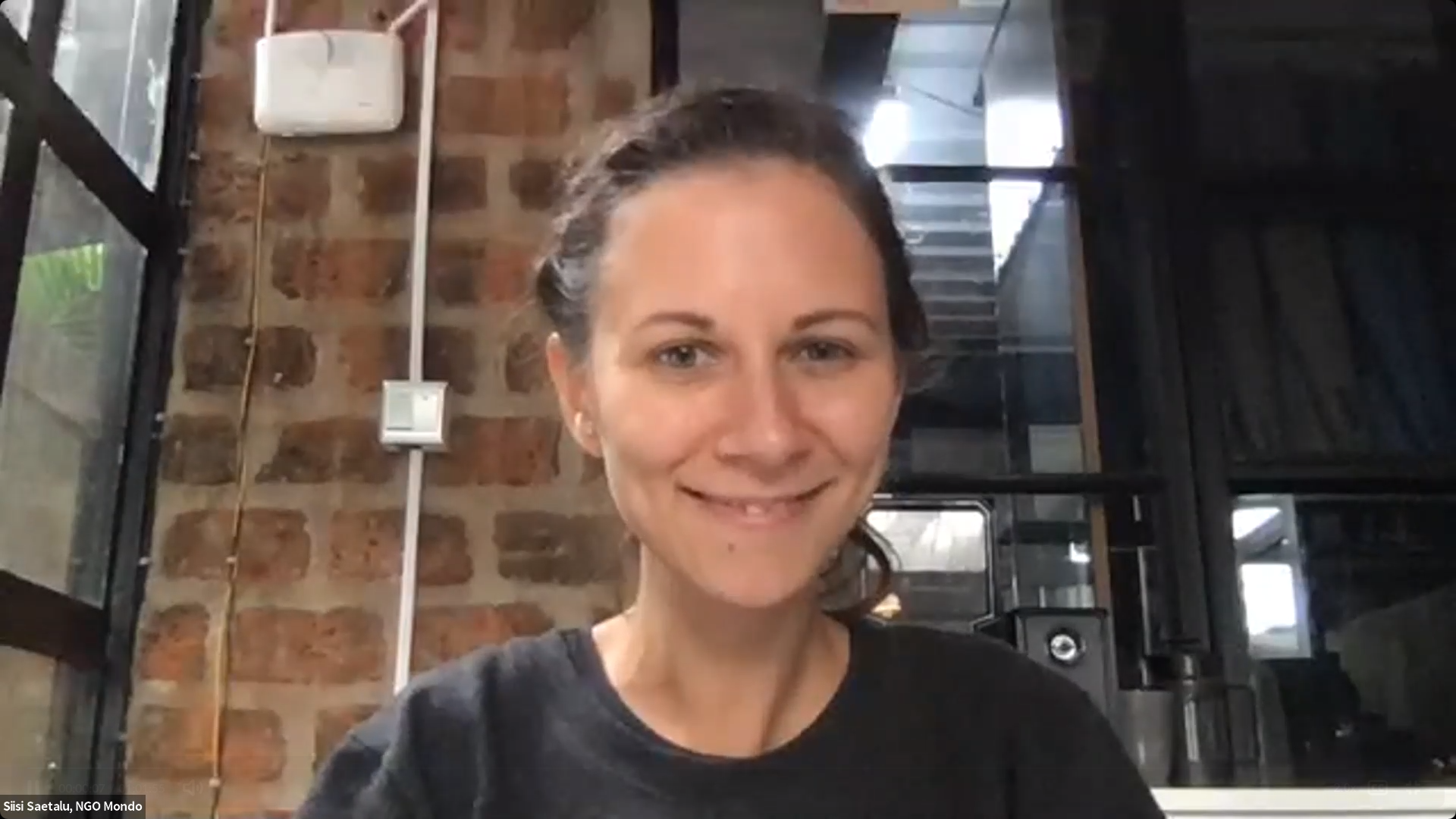
Siisi has worked in development co-operation and humanitarian field for the past 10 years. Last six years she has lived in Uganda. She has been co-ordinating Mondo Digital Competencies Program in East Africa for the past two years.

Valerie Naluyima is a Digital Skills Expert working with NGO Mondo on the Digital Competencies Program in Uganda. At Mondo, she has been part of the Digital Competencies training for Rwamwanja Refugee settlement as well as Young African Refugees For Integral Development (YARID) centres. She has a solid background and experience in Information Technologies as well as a PRINCE2 Practitioner certification in Project Management.
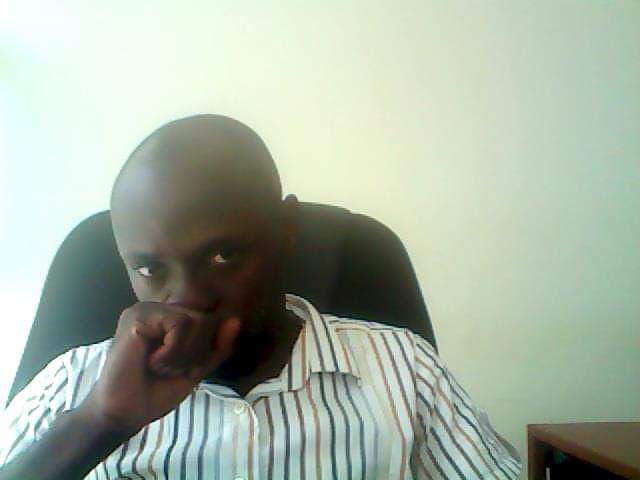
Edgar Mutaryebwa is an Information technology professional with over a decade of experience in ICTfor education, currently working with Finn Church Aid as an ICT Officer for Kyaka II refugee settlement with a core function of developing content for teaching at the BTVET center for refugee and host community youth. He has previously worked as a Systems administrator and Teaching assistant at Bishop Stuart University. Edgar Mutaryebwa is an ICT for education enthusiast. He is a Bachelor’s degree holder in Information Technology from Makerere University and CISCO Certified Network Associate. Edgar Has attended numerous Trainings in ICT for education programs like Can’t Wait to Learn (CWTL) a primary school Gaming education platform, Kolibri Digital secondary and technical education platform spearheaded by UNHCR. Sharing Knowledge is his passion.

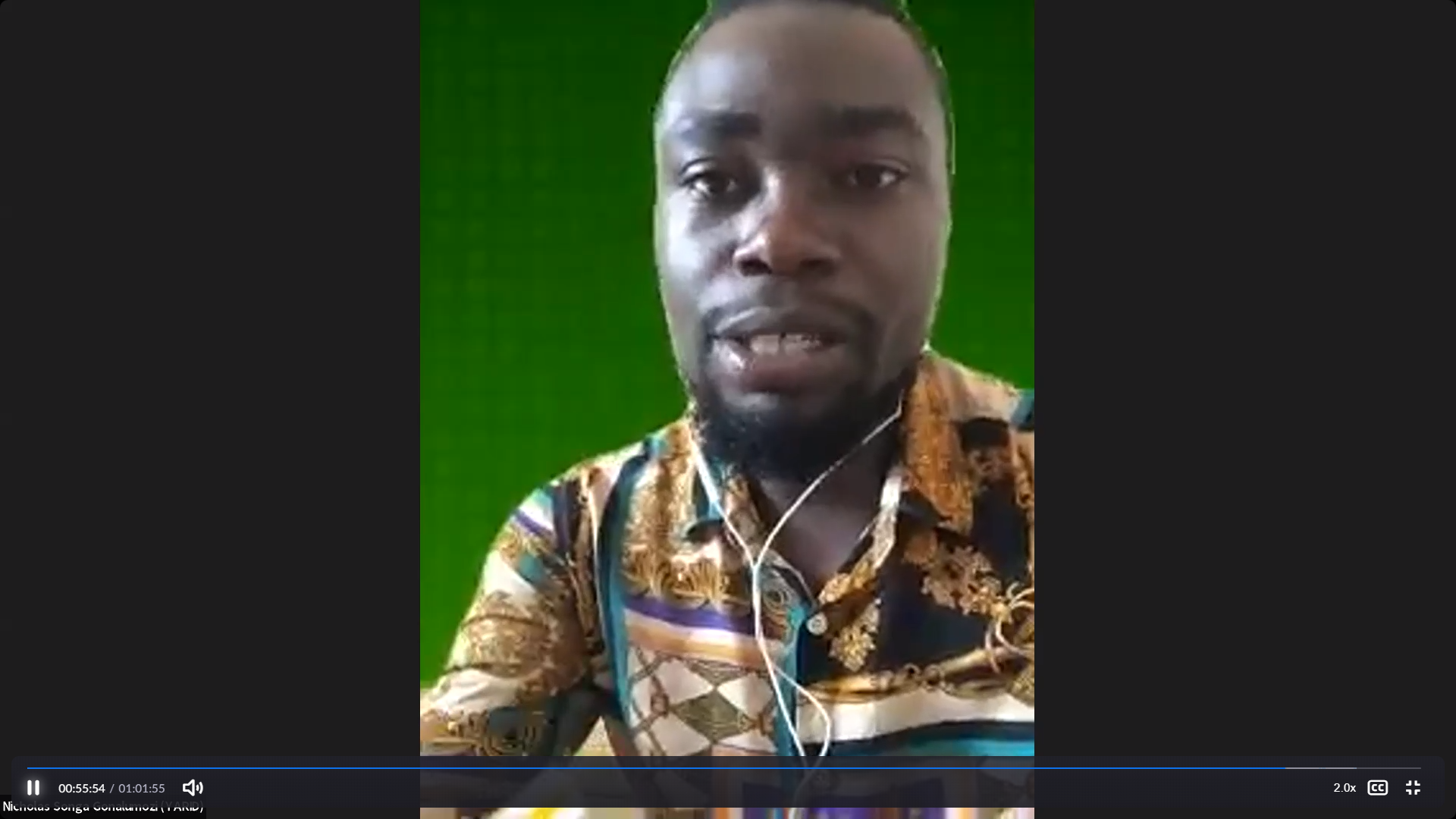
Nicholas is an IT specialist with 4 years experience in training computer skills and with specialty in using computer-based information systems, networking, software applications and computer hardware. He is a Congolese refugee from the Democratic Republic of the Congo and has lived in Uganda for 8 years. Nicholas has dedicated himself to help people in the same situation as he himself, especially young refugees, with training in computer skills and talks on community issues like child abuse and SGBV. Nicholas's dream is to make a change in people's lives and to build a self-reliant young generation.
-
 C3. Access to information and knowledge
-
 C4. Capacity building
-
 C5. Building confidence and security in use of ICTs
-
 C8. Cultural diversity and identity, linguistic diversity and local content
-
 Goal 1: End poverty in all its forms everywhere
-
 Goal 4: Ensure inclusive and equitable quality education and promote lifelong learning opportunities for all
-
 Goal 8: Promote inclusive and sustainable economic growth, employment and decent work for all
-
 Goal 10: Reduce inequality within and among countries
-
 Goal 16: Promote just, peaceful and inclusive societies
Website: https://mondo.org.ee/en/digitalskills/