WSIS Action Line Facilitation Meeting C8 "The digitization of culture and the creative economy: benefits, challenges and roadmaps"
UNESCO
Session 302
Action line 8 of the World Summit Information Society is “Cultural diversity and identity, linguistic diversity and local content”.
The impact of new technologies on culture and the creative economy is multifaceted, bringing benefits and challenges that require more sophisticated, transversal and dynamic solutions and national roadmaps. The rapid digital transformation of the creative economy has fundamentally altered the way cultural goods and services are produced, distributed or accessed. While the digital transition has done much to encourage innovation in the production of works and to democratize access to culture among diverse audiences, it has also led to the emergence of a number of challenges linked to issues such as safeguarding freedom of expression, fair remuneration for artists and the diversification of actors and content in the digital creative economy. These need to be urgently addressed in order to ensure that new digital tools and technologies benefit all of humanity.
In recognition of the shifting digital environment for the cultural and creative industries and its concurrent opportunities and challenges, UNESCO paved the way for enhanced governance and international cooperation in this field by establishing Guidelines on the Implementation of the 2005 Convention[1] in the Digital Environment with an accompanying Open Roadmap. The newly adopted UNESCO Recommendation on the Ethics of Artificial Intelligence further recognizes that while AI technologies can enrich the cultural and creative industries, their use could also increase the concentration of supply of cultural content, data, markets and income in the hands of just a few - with potentially negative repercussions on the diversity of media and cultural expressions, as well as on participation and equality. Most recently UNESCO’s 2022 Global Report, Reshaping Policies for Creativity, revealed that while emerging forms of international and regional cooperation are supporting the diversity of cultural expressions in the digital context, national digital strategies often fail to address the needs of the cultural and creative sector.
[1] UNESCO 2005 Convention for the Protection and Promotion of the Diversity of Cultural Expressions
This panel discussion will address questions such as:
· How is access to the digital creative economy being expanded to include the participation of a diverse range of actors (especially in terms of size, geographical location and gender)?
· What lessons on promoting the diversification of cultural content and ensuring a more balanced global flow of cultural expressions can we learn from the recent strategies of platforms such as Netflix, Amazon and Spotify that are increasingly investing in local content as a key driver of growth in new markets?
· The increasingly dominant role of Internet Service Providers and platforms in the production and distribution of content has a significant impact on how content is discovered. The profit-driven business models of streaming platforms tend to prioritize the visibility of content that drives the most internet traffic without considering the diversity of content consumed. What are some measures that can be implemented by governments and the private sector to enhance the discoverability of diverse cultural expressions on digital platforms to provide more opportunities for local and national cultural actors to gain visibility?
· What national policies and legislative frameworks could be developed in order to strengthen creative economy in the digital environment?

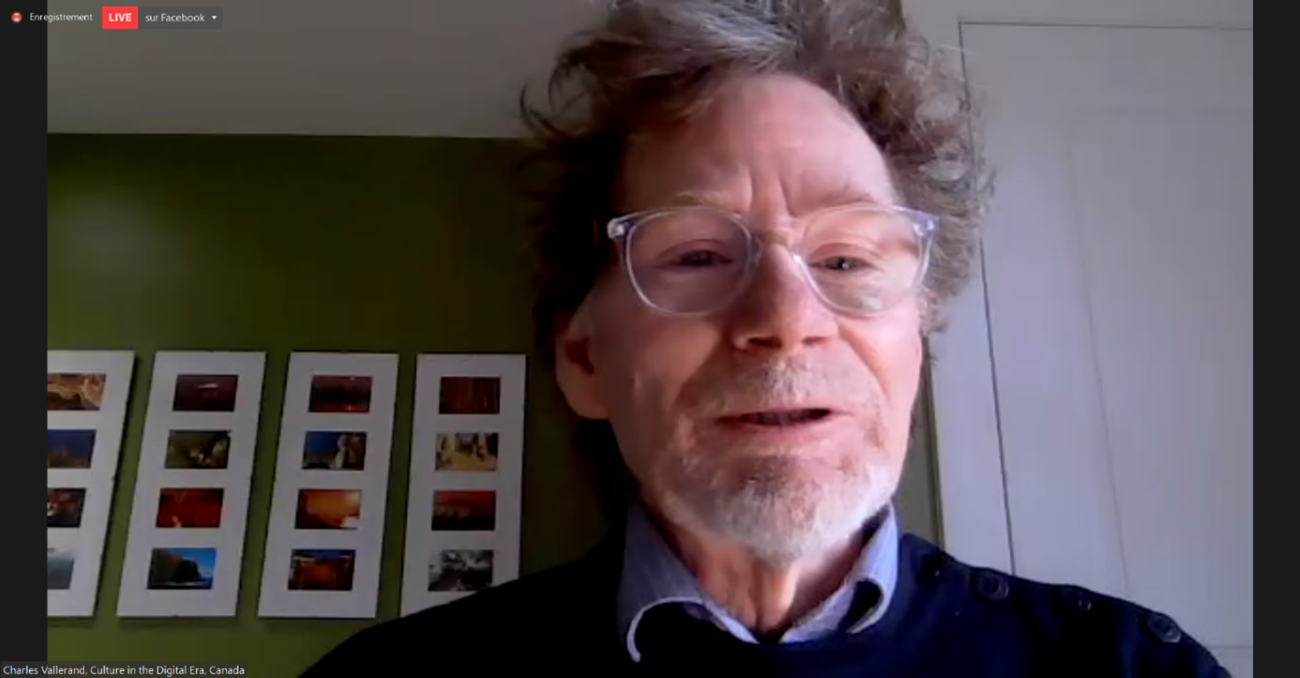
Charles Vallerand is an independent consultant, with over 30 years of experience in cultural policies, public service broadcasting and international cooperation. He is currently the Program Optimization Specialist for Telefilm Canada, a national cultural agency dedicated to the development and promotion of the Canadian audio-visual industry. He is also the editor of Cultures in the Digital Era, a weekly press review covering emerging policy issues and best practices for arts and culture in Canada and internationally. Charles had conducted numerous advisory and technical assistance missions on cultural and media diversity policies in Rwanda, Tunisia, Indonesia, Djibouti, China, Zimbabwe, and Colombia.

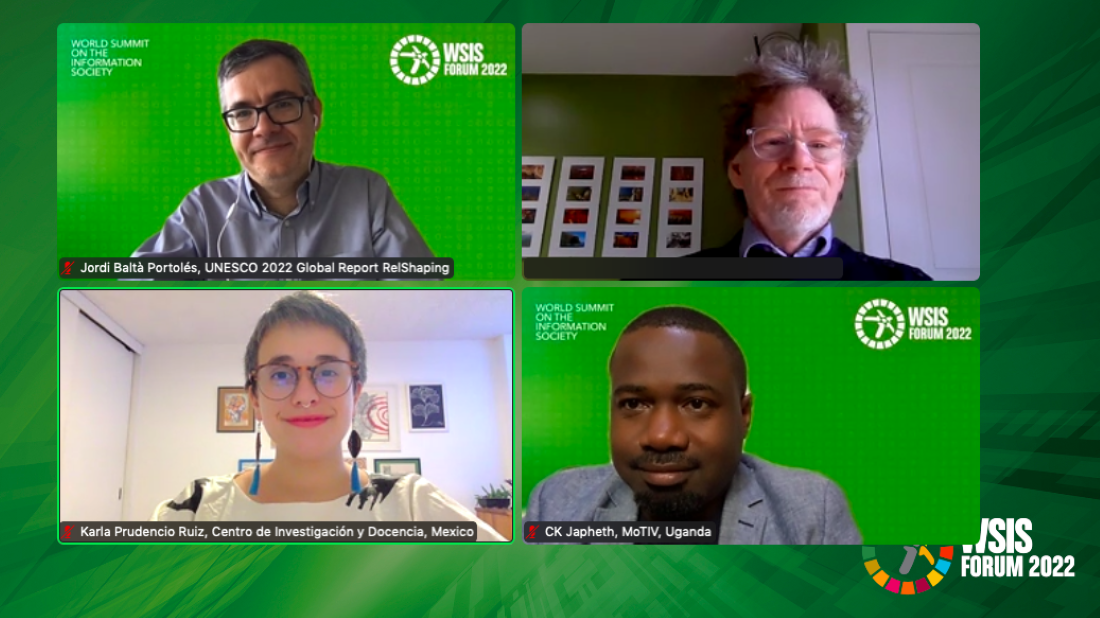
Jordi Baltà Portolés works as a consultant, researcher and trainer in cultural policy and international affairs at Trànsit Projectes – a cultural management company based in L’Hospitalet de Llobregat, Barcelona, Spain. He has a particular interest in the role of culture in sustainable development, cultural diversity, cultural rights and international cultural cooperation. Jordi Baltà Portolés is a member of the UNESCO Expert Facility for the 2005 Convention on the Diversity of Cultural Expressions, as well as an expert on the Culture Committee of United Cities and Local Governments (UCLG), and has provided consultancy for a wide range of organizations in Europe, Africa, Latin America and Asia. He teaches on the Degree in International Relations at Blanquerna – Universitat Ramon Llull (URL) in Barcelona, as well as on several postgraduate courses.

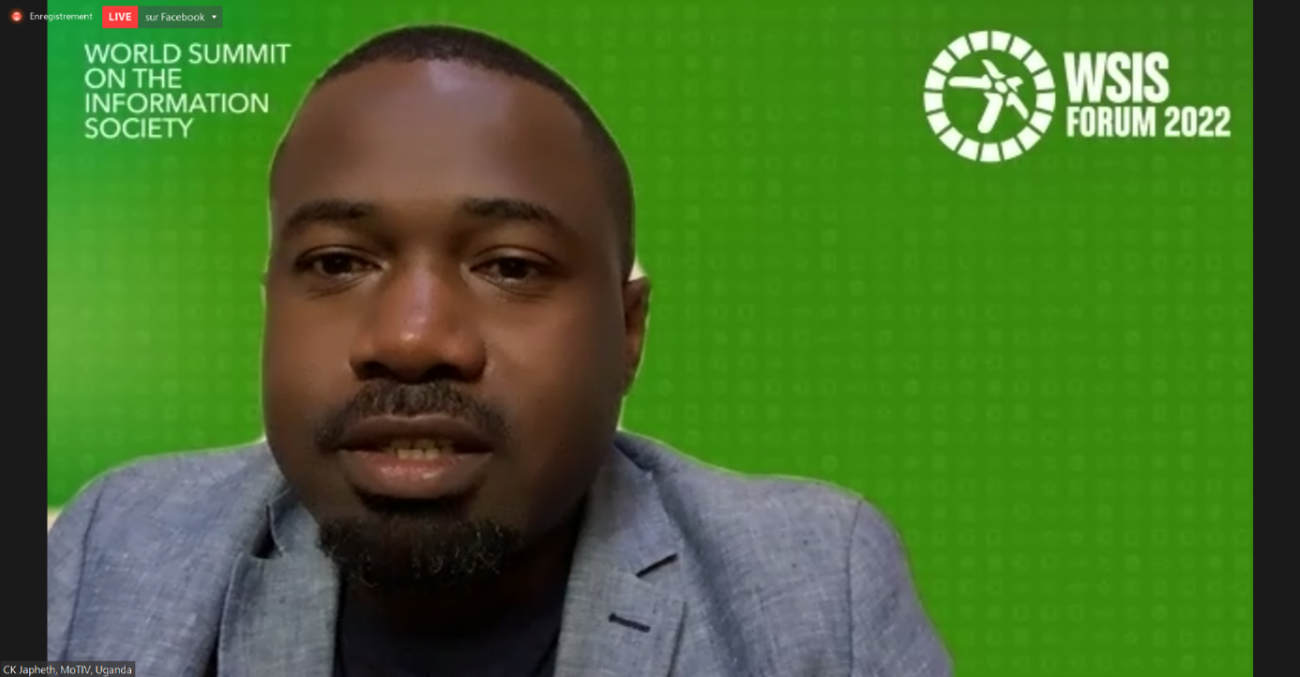
Japheth is a co-founder of The Innovation Village, Uganda’s launchpad for leading innovators and entrepreneurs. He works with mission-oriented entrepreneurs to ensure the smart application of technology in solving our biggest community and industry challenges.
In under 4 years The Innovation Village has become a national platform with innovation spaces in (5) locations across the country including MOTIV; East Africa’s largest makerspace. He is on mission to create 500,000 jobs through harnessing the transformational role of innovation and entrepreneurship.

Karla Prudencio Ruiz holds a master’s degree in Law and Technology from Stanford University. She has focused her career on studying the intersection between human rights and technology development. She was a Senior Legal Advisor for the Federal Telecommunications Institute of Mexico and the head of the Transparency and Data Protection Office of the Centre for Research and Teaching in Economics. She also has a well-established record of working with rural and indigenous communities in Mexico in connectivity and digital rights. She was a member of the project team that worked on the implementation of the EU/UNESCO project ‘Designing policies to support indigenous and community media in Mexico and incorporating indigenous content in public and commercial media.’
-
 C8. Cultural diversity and identity, linguistic diversity and local content
-
 Goal 8: Promote inclusive and sustainable economic growth, employment and decent work for all
-
 Goal 16: Promote just, peaceful and inclusive societies


Digital Guidelines of the UNESCO 2005 Convention (unesco.org)https://en.unesco.org/creativity/sites/creativity/files/digital_guidelines_en_full-3.pdf
Open Roadmap for the implementation of the UNESCO 2005 Convention in the Digital Environment https://en.unesco.org/creativity/publications/open-roadmap-implementation-2005-convention
UNESCO Recommendation on the Ethics of Artificial Intelligence https://en.unesco.org/artificial-intelligence/ethics#drafttext
UNESCO’s 2022 Global Report, Reshaping Policies for Creativity https://www.unesco.org/reports/reshaping-creativity/2022/en