
SUNO- AI-Generated Emergency Communication in Sign Language for the Deaf
Project Summary
Problem:
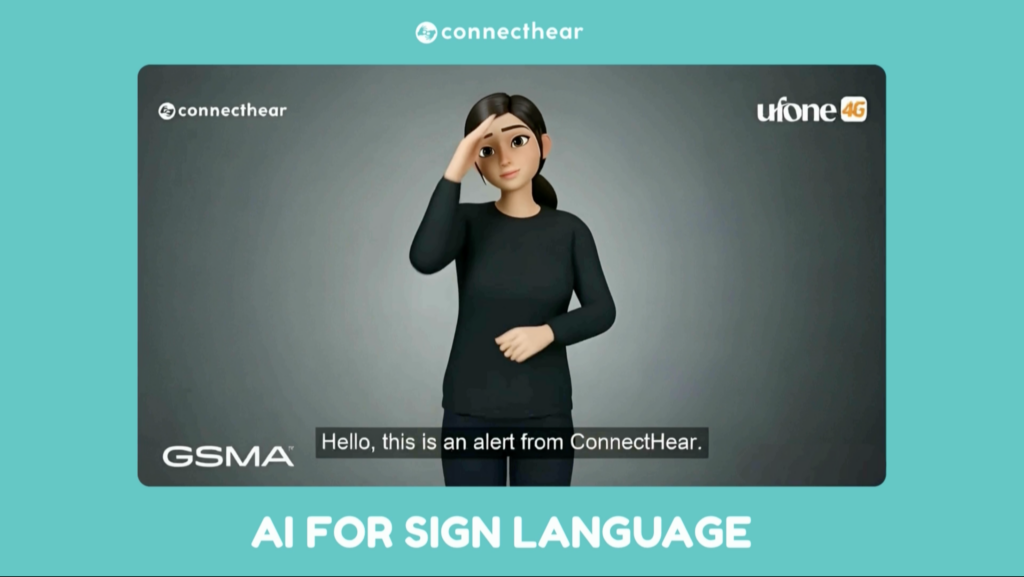
This solution leverages artificial intelligence to convert real-time emergency and public information into sign language, ensuring that Deaf and hard-of-hearing individuals can access critical updates in an accessible and timely manner. Its core purpose is to address the persistent communication gap faced by Deaf communities, particularly in low-resource and low-connectivity environments, where access to inclusive information is often limited or entirely absent.
The system can integrate real-time data sourcessuch as weather alerts, disaster warnings, and public service announcementsinto an AI-powered engine trained on a validated sign language dataset. This engine automatically translates incoming information into sign language videos, which are then distributed across multiple channels, including a mobile application, SMS notifications, and widely used messaging platforms. The multi-channel approach ensures that users with different types of devices, including low-end handsets, can receive information without barriers. Additionally, the system is optimized for low bandwidth and can operate in offline or limited-connectivity environments through localized infrastructure.
The methodology combines inclusive design, AI automation, and cross-sector collaboration. Deaf individuals and community representatives were actively involved in shaping the solution, ensuring that the content, delivery methods, and usability align with real-world needs. Partnerships with telecom providers enable data-free or low-cost access, while collaboration with humanitarian organizations supports on-ground implementation and training of frontline responders to communicate effectively with Deaf individuals during emergencies.
Typical use cases include the dissemination of disaster alerts such as floods, earthquakes, or extreme weather events; public health announcements; and access to essential services during crises. The solution is also used by humanitarian actors to improve communication with Deaf beneficiaries in relief settings, enhancing both preparedness and response efforts.
In terms of impact, the solution has already reached thousands of users across multiple regions, including individuals in remote and underserved areas. It has successfully demonstrated the ability to deliver accurate, real-time information in sign language, empowering Deaf individuals to make informed decisions during emergencies. Notably, 90% of people in the target areas reported increased confidence in accessing disaster-related information, highlighting a significant shift in awareness, trust, and preparedness. Training sessions with both Deaf users and responders have further strengthened community engagement and adoption. By combining technology, accessibility, and partnerships, the solution creates a scalable and inclusive model for ensuring that no one is left behind in times of crisis.
Solution:
Real-time emergency and public information is converted into sign language, delivering accessible updates on low-end devices in low-connectivity areas to ensure inclusive communication for the Deaf.
Technical Requirements:
Any PC with CPU, no GPU required. As low as 2GB RAM and 10MB storage. Both offline and online modes available. Online mode requires 1Mbps internet speed.
Operational Environment:
Urban / Metropolitan
Rural
Low-Bandwidth / Intermittent Connectivity
Coastal
Inland
High-Bandwidth / Stable Connectivity
Licensing or Cost Structure:
Monthly subscription OR per use API price
Ethical and Governance Considerations:
Fairness and Equity: We actively involve Deaf individuals, community leaders, and sign language experts in the design and validation of our datasets to ensure cultural and linguistic accuracy. The AI system is trained on diverse and representative sign language inputs to minimize bias and ensure inclusivity across different user groups, including gender and regional diversity. Continuous feedback loops and user testing help identify and correct any unintended bias or misrepresentation.
Accountability and Governance: The system is governed by a clear human-in-the-loop framework. ConnectHear’s technical and operational teams are responsible for system performance, while content validation is overseen by trained sign language experts. Partnerships with public institutions and humanitarian organizations further strengthen accountability, ensuring that the information delivered is accurate and reliable.
Transparency and Explainability: Users are clearly informed about the purpose of the system and how information is generated and delivered. The system operates on predefined and validated instructions, ensuring outputs are consistent and understandable. Training sessions and user onboarding further enhance awareness of its capabilities and limitations.
Security, Safety, and Reliability: The platform is built with secure infrastructure, including controlled access and data protection protocols. It has been tested in real-world scenarios to ensure reliability, especially in low-connectivity environments. Safeguards are in place to prevent misuse and ensure accurate dissemination of critical information.
Privacy: The solution follows strict data minimization principles, collecting only essential user information. All data is securely stored and handled in compliance with applicable data protection standards. User consent and confidentiality are prioritized at every stage, ensuring that personal information is protected and used solely for service delivery.