ICTs and Innovative Education on Sustainable Development Goals
Geneva-Tsinghua Initiative (GTI)
Session 339
The Sustainable Development Goals (SDGs) were set in 2015 by the United Nations General Assembly and are intended to be achieved by the year 2030, with a collection of 17 interlinked global goals designed to be a “shared blueprint for peace and prosperity for people and the planet, now and into the future”. To promote the understanding of Agenda 2030 by the global community, especially for the youth, great importance has been attached to the education on SDGs by leveraging ICTs. The global pandemic has transformed the offline education to online education, which also requires ICT innovation to attain the educational purpose pertaining the SDGs.
Hence, this workshop is proposed to showcase how the international community plays an active role in enabling SDGs education to the public in a more accessible, inclusive, and innovated way by using ICTs. The session will start with keynote speeches from four panelists, followed by an open Q&A for further discussion.
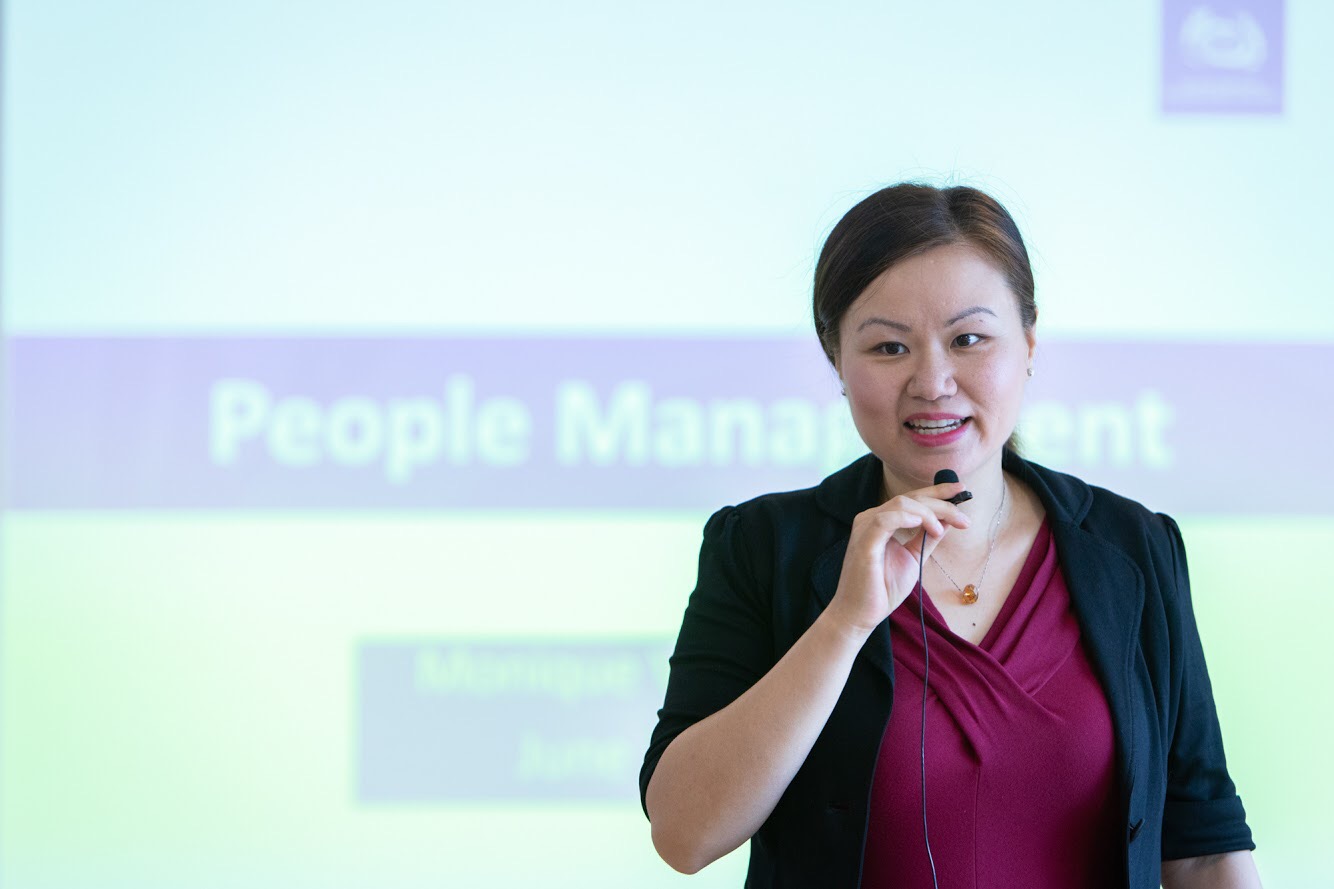
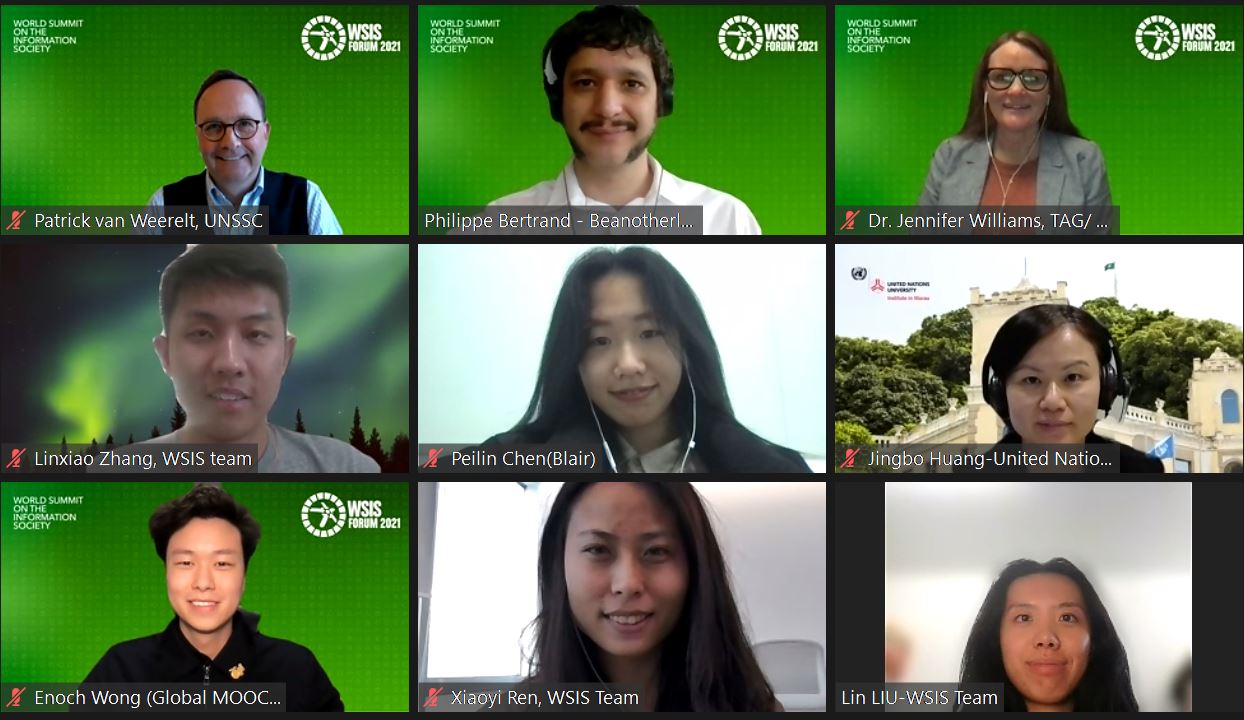
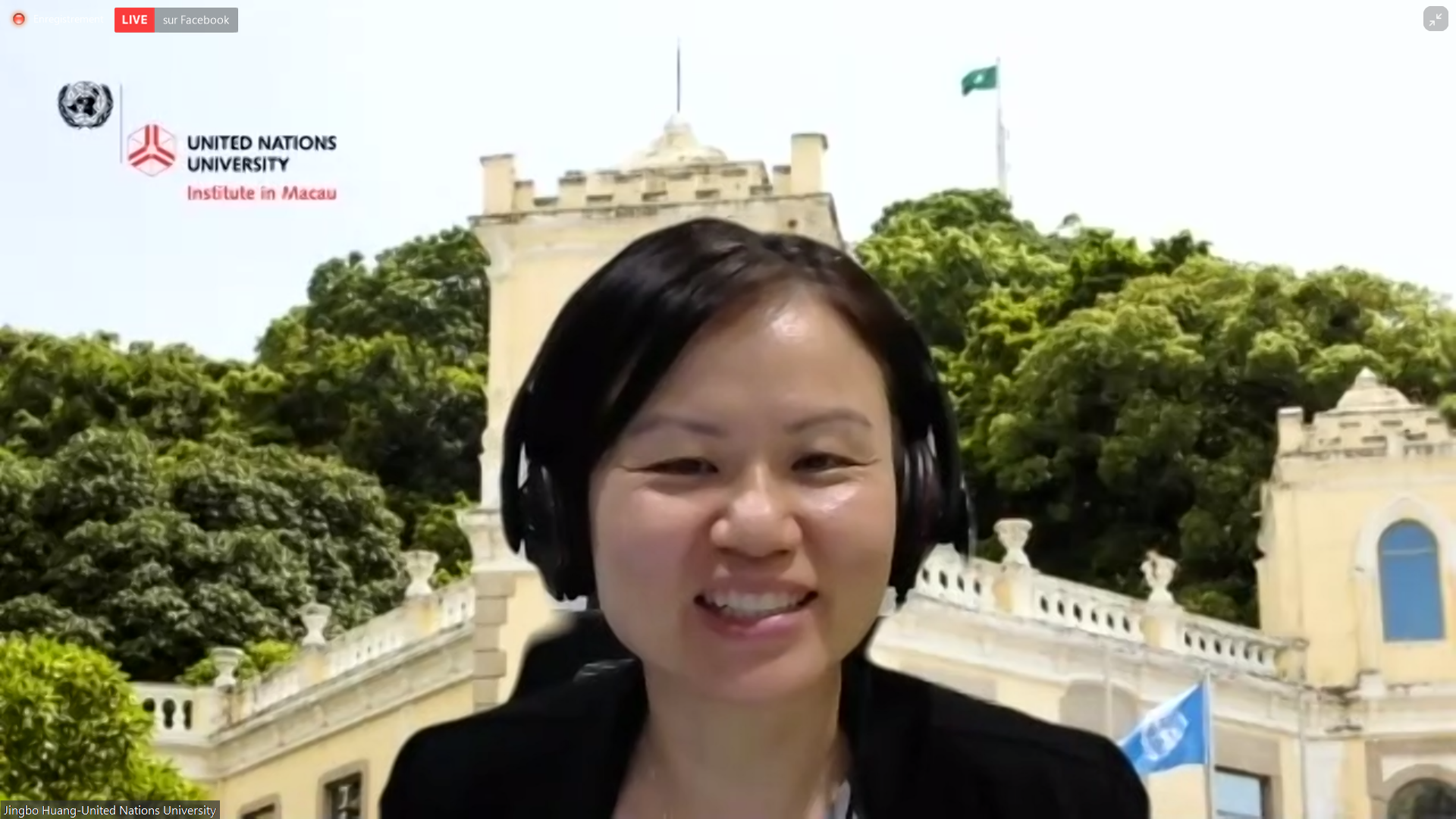
Dr. Jingbo Huang is the Director of the United Nations University Research Institute in Macau. The Institute focuses its research at the intersection of digital technologies and SDGs. Dr. Huang has held managerial positions at various UN system organizations such as UN Secretariat, UNDP, UNESCO and UNSSC in the past 20 years. Jingbo received her Doctor of Education degree from Columbia University. She also holds a Master’s degree from Institut d’Etudes Politique de Grenoble, France, and the second Master’s degree from Indiana University-Bloomington. She received her Bachelor degrees in Economics and French from Peking University, China.
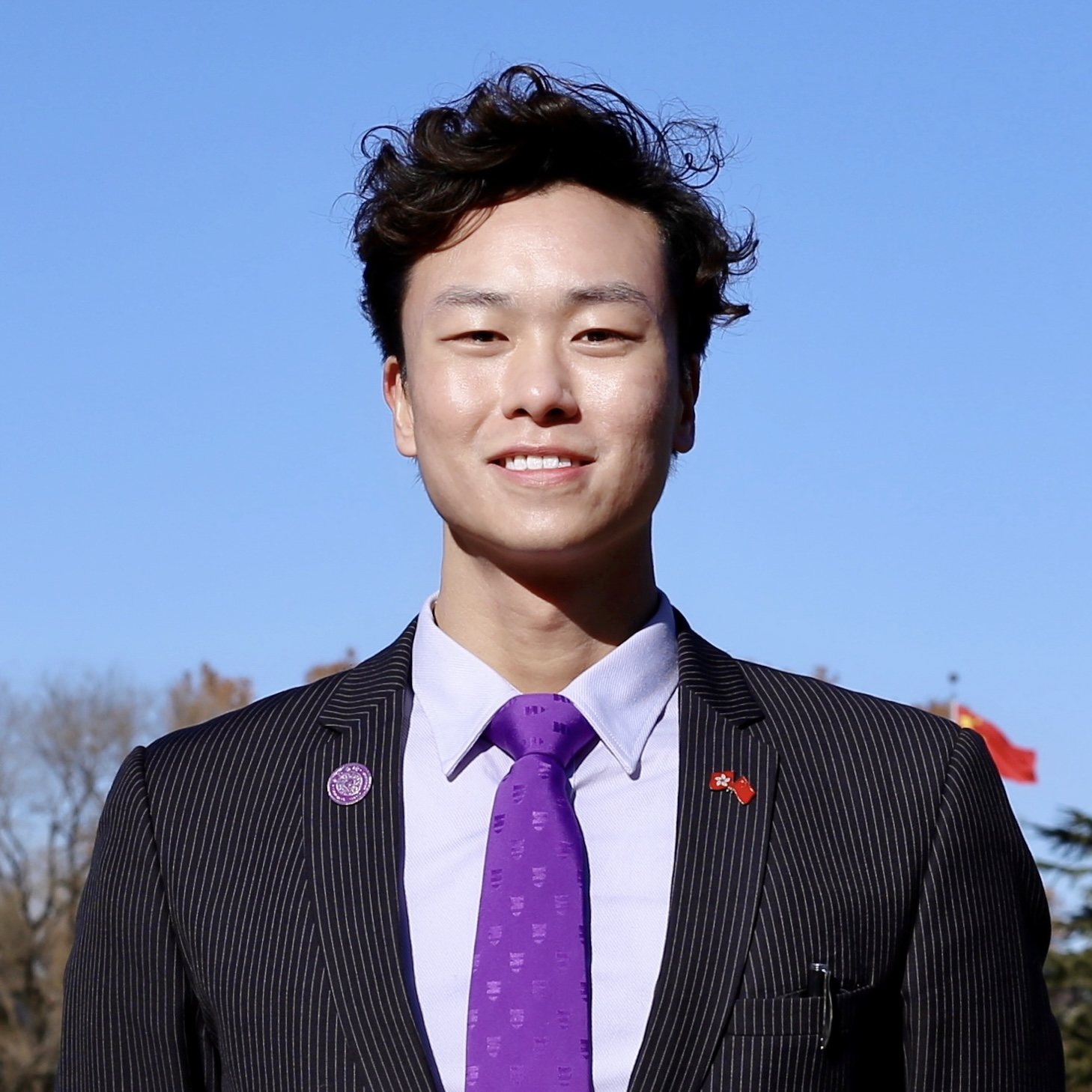
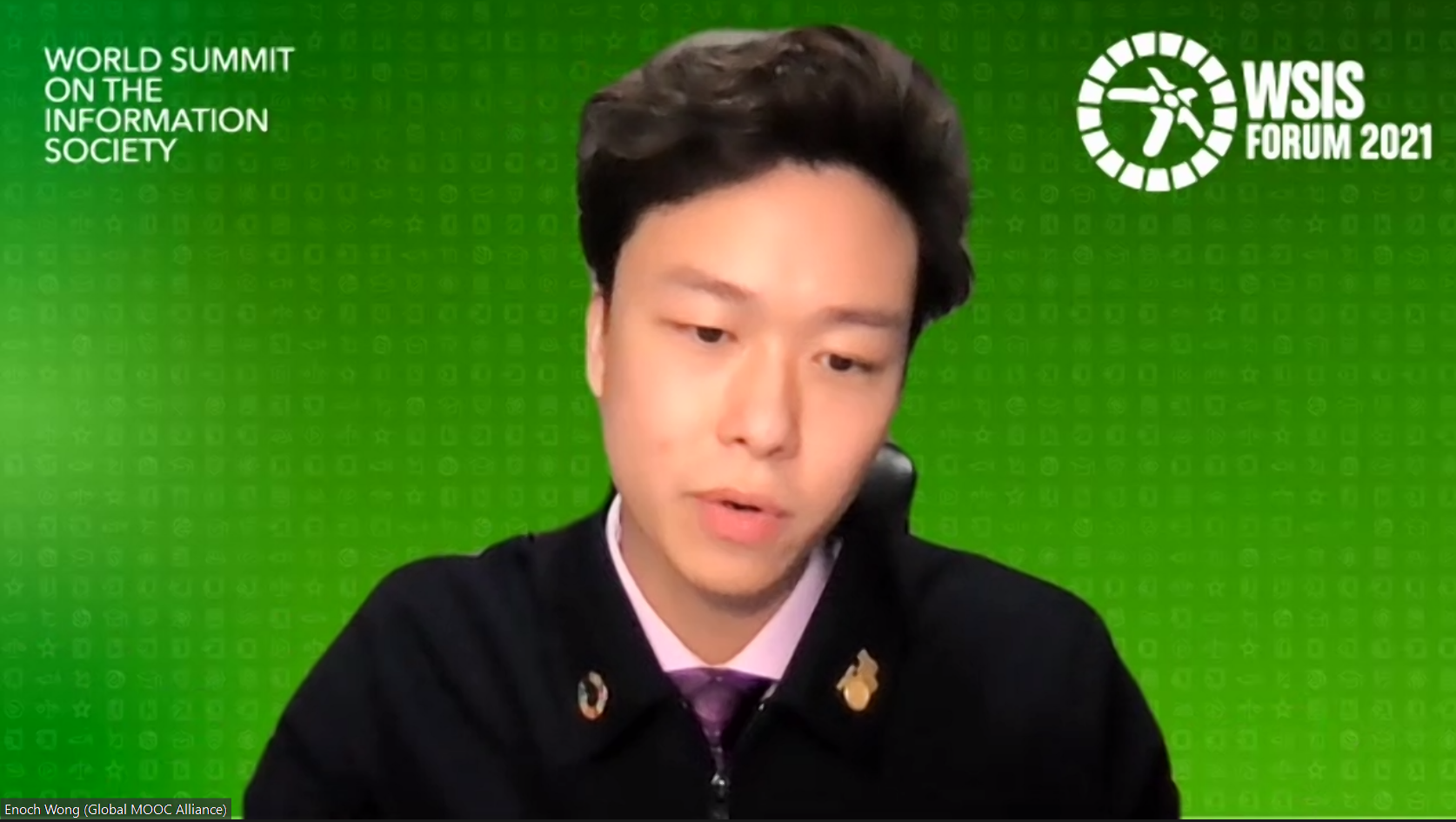
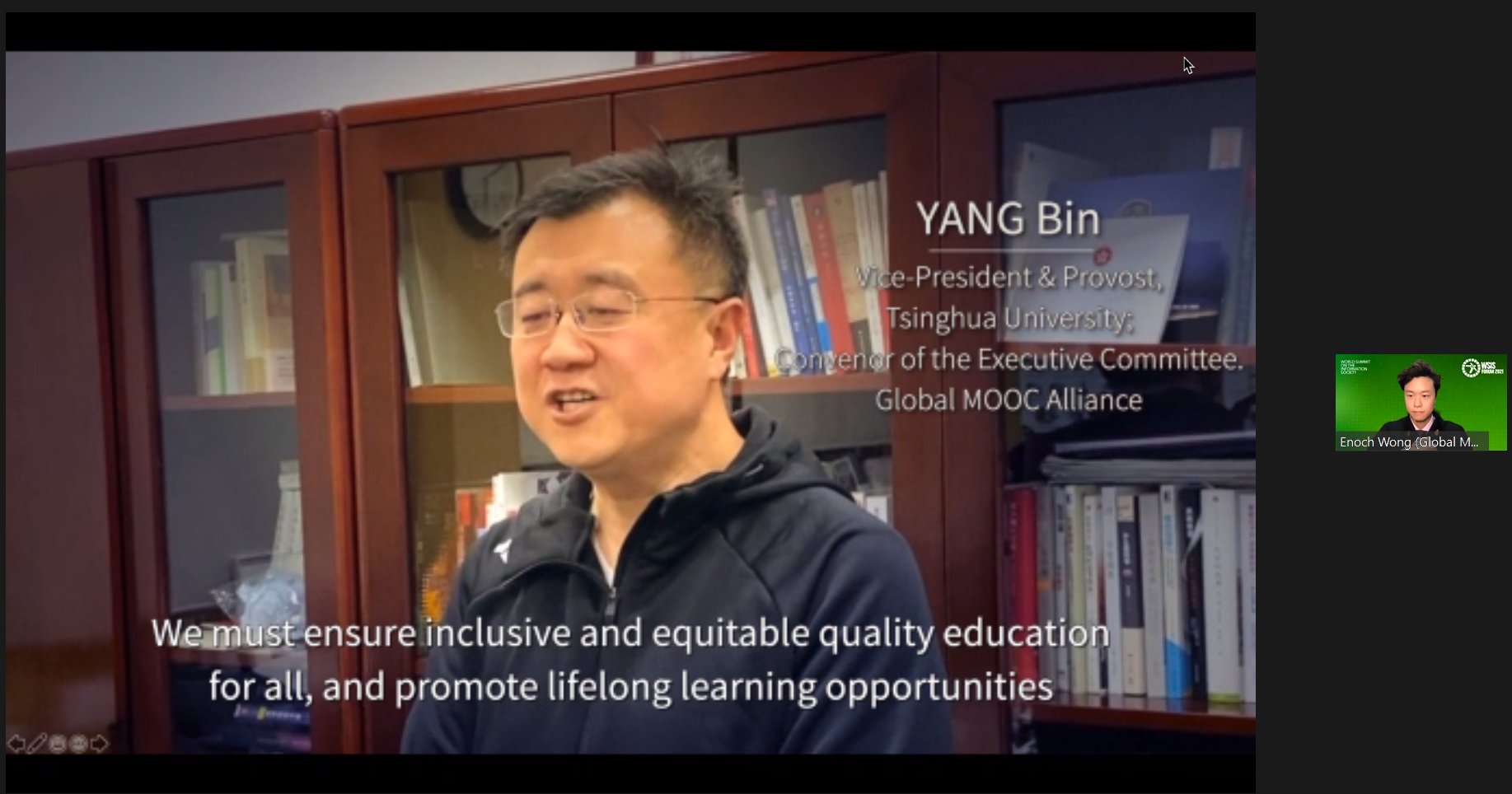
Mr. Enoch Wong, Assistant Secretary-General of the Global MOOC Alliance; Research Associate of the MOE Research Center for Online Education; Senior Development Manager (Online Education and International Cooperation) at Tsinghua University. During 2020, Wong hosted over 100 hours of global webinars and online meetings with online education experts and practitioners, including the opening session of the Global MOOC Conference (co-hosted with UNESCO IITE) on December 11 which attracted over 10 million live attendees. Wong was born in Hong Kong, China, studied in the UK for ten years, and has worked in seven countries across Asia, Europe, and Africa. He was also selected to represent China at the UN Youth Forum, and as a Global Shaper and the Advisory Council Steering Committee by the World Economic Forum (Davos). He received his Master’s Degree in Global Affairs as a Schwarzman Scholar at Tsinghua University, China.

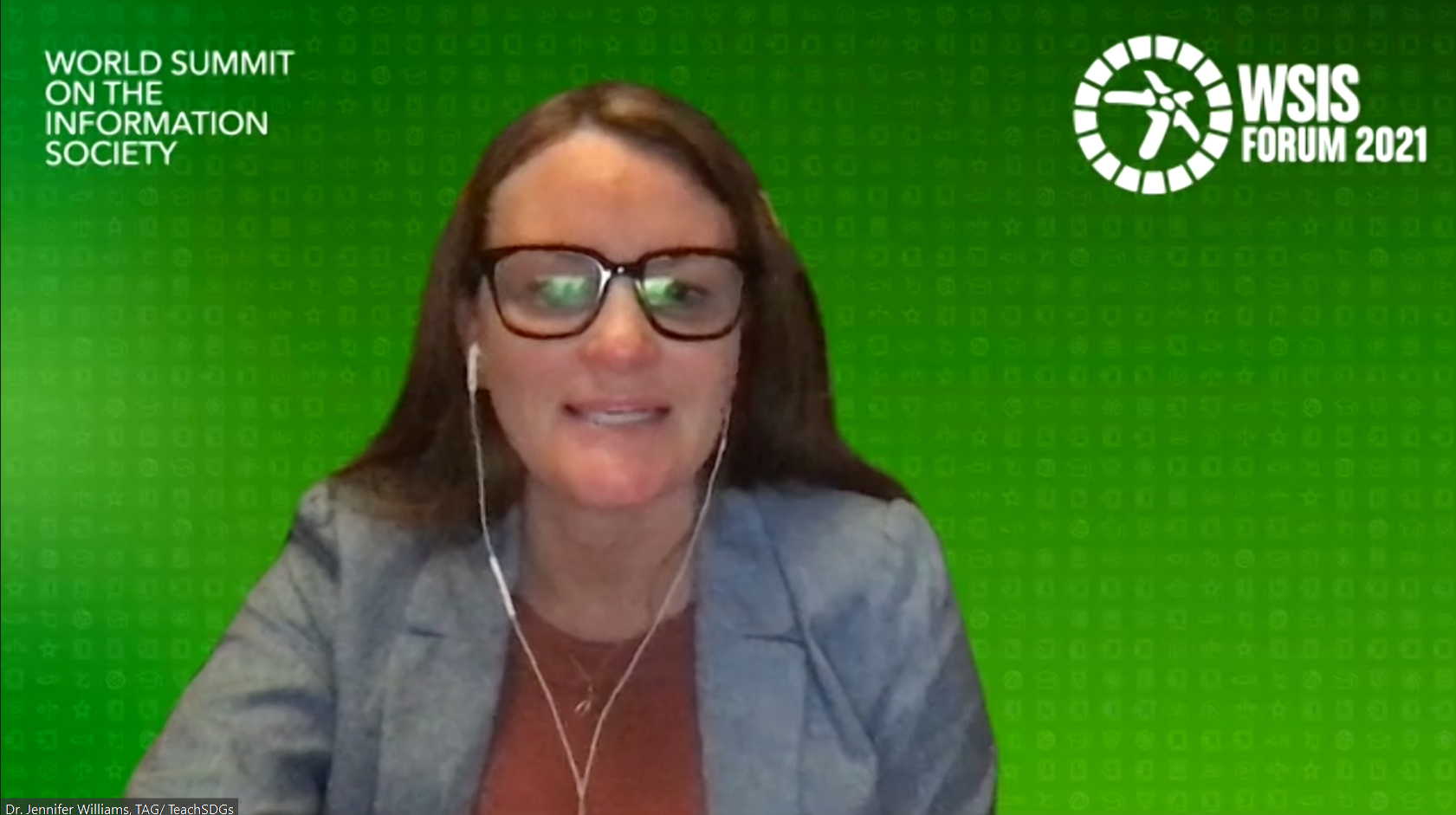
Recognized as a transformational leader in education, Dr. Jennifer Williams has dedicated herself for 25 years to the field of education through her roles as an education activist, professor, school administrator, literacy specialist, and classroom teacher. She speaks, writes, and consults on practices that develop global perspectives and social good through creative uses of technology, and her research interests include innovations in teaching and learning, equity and diversity in education, and social action. As an educator and author of the ISTE book, Teach Boldly: Using Edtech for Social Good, she champions teachers to use educational technology purposefully for the planet and its people. She is a professor at Saint Leo University, the co-founder of TeachSDGs and the non-profit organization Take Action Global, and the President of the ISTE Education Leaders PLN Board of Directors. She is currently a consultant for Adobe for Education, Empatico, and the U.S. Department of State and is working with ISTE and Routledge on two new books. Notable recognitions include being named Top 30 for K12 IT Educators (2020), #8 for Top Academics in STEM (2018), and #9 Top Campaigners in Sustainability (2018). Connect with Jennifer on Twitter at @JenWilliamsEdu.
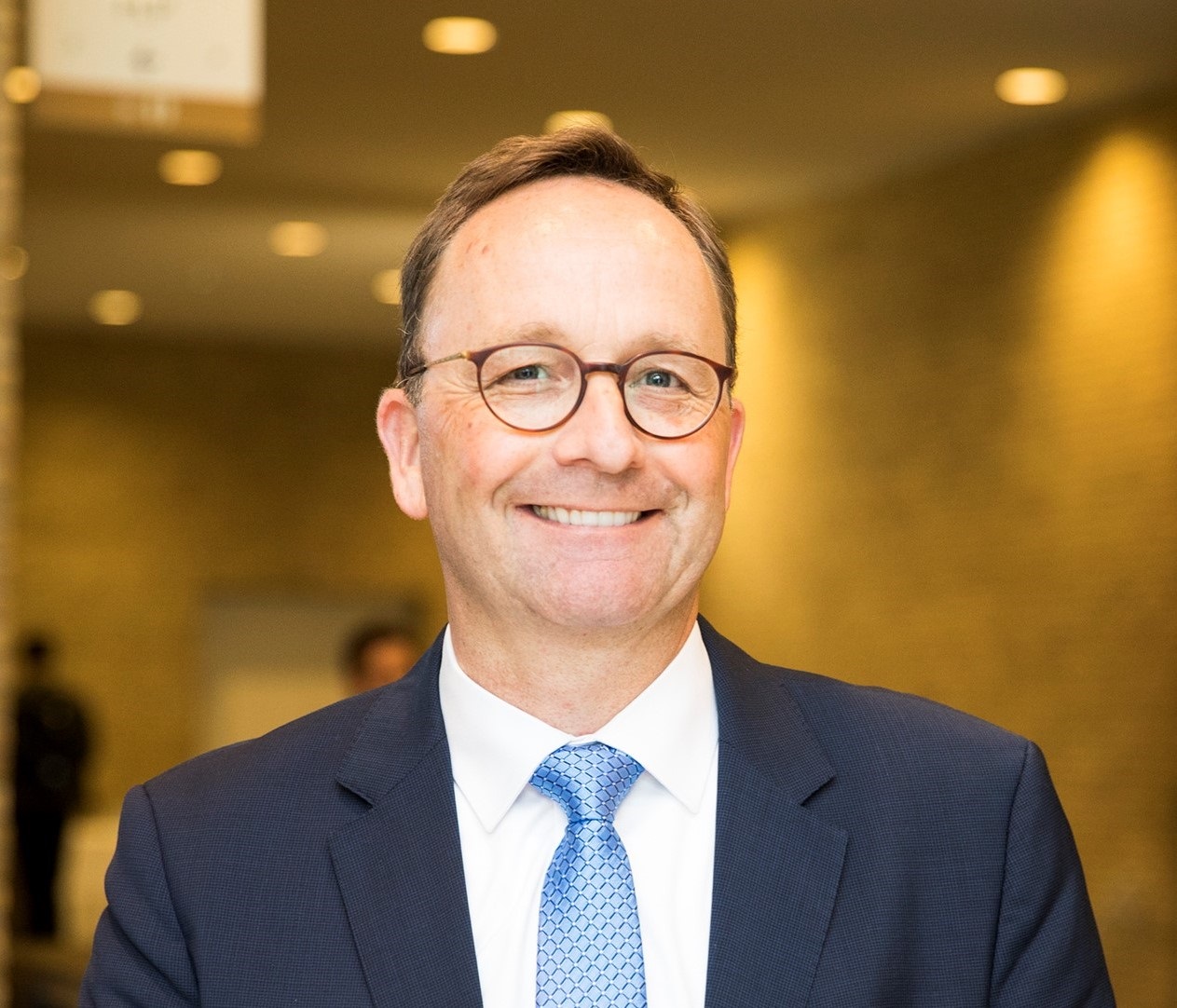
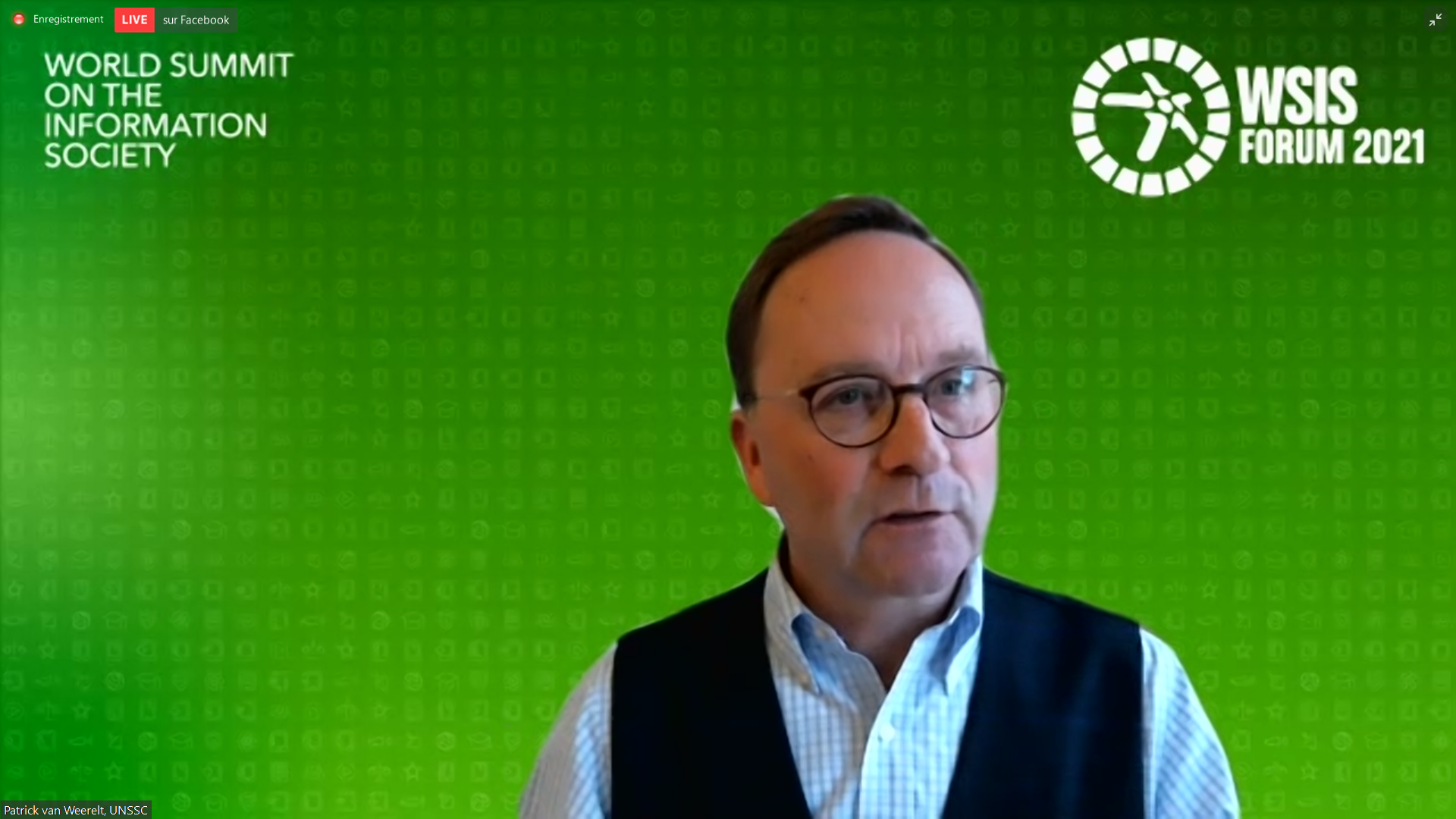
Mr. Patrick van Weerelt (the Netherlands) leads the work of the UNSSC Knowledge Centre for Sustainable Development based in Bonn, Germany. The Knowledge Centre is a direct response to the comprehensive learning, training and knowledge management needs of UN staff and partners in the context of the 2030 Agenda for Sustainable Development as well as the Paris Agreement under the United Nations Framework Convention on Climate Change.
Patrick has extensive capacity development, policy and program experience in the field of sustainable development, democratic governance and human rights and has worked at HQ, Regional and country level for the United Nations. Prior to joining the UN System Staff College, Patrick served as UNDP Practice Leader for Democratic Governance in West- and Central Africa (based in Dakar) covering 23 countries in the sub-region, and as Senior Human Rights Adviser at UNDP HQ in New York. Patrick is a lawyer by training and served for several years as Adjunct Professor at Washington College of Law, American University, Washington D.C.
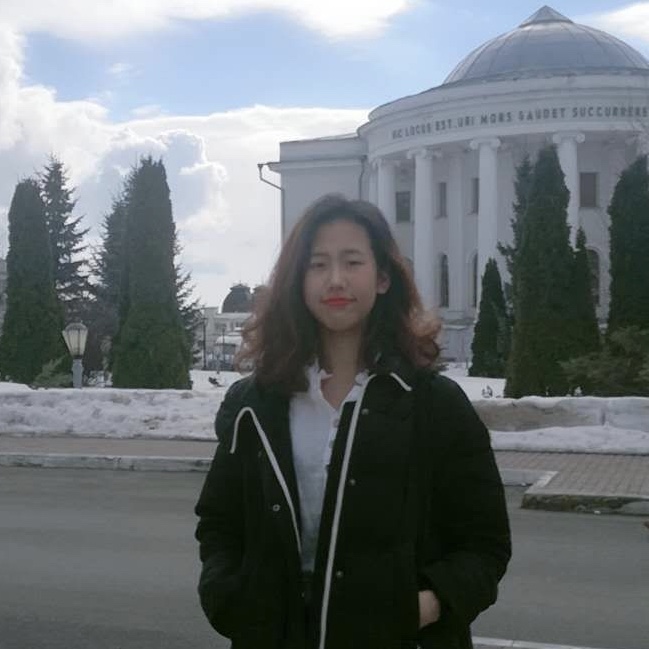
Under the grant of China Scholarship Council, Peilin is currently studying at the institute of International Relations at Kazan Federal University in Russia. She is the Co-founder of BECHANCE, a holistic education brand based in the Yangtze River Delta region. She serves as the Chief Operating Officer and Managing Partner at Shimmer SDGs Hub; As the IUCSA social responsibility consultant and brand specialist of The Impact Academy, she is a profound practitioner of corporate social responsibility; She is also a coordinator of Henry Ford Global Invention Conference 2021 and Hult Prize Mentorship Program, a freelance writer, a multilingual learner.
.jpg)
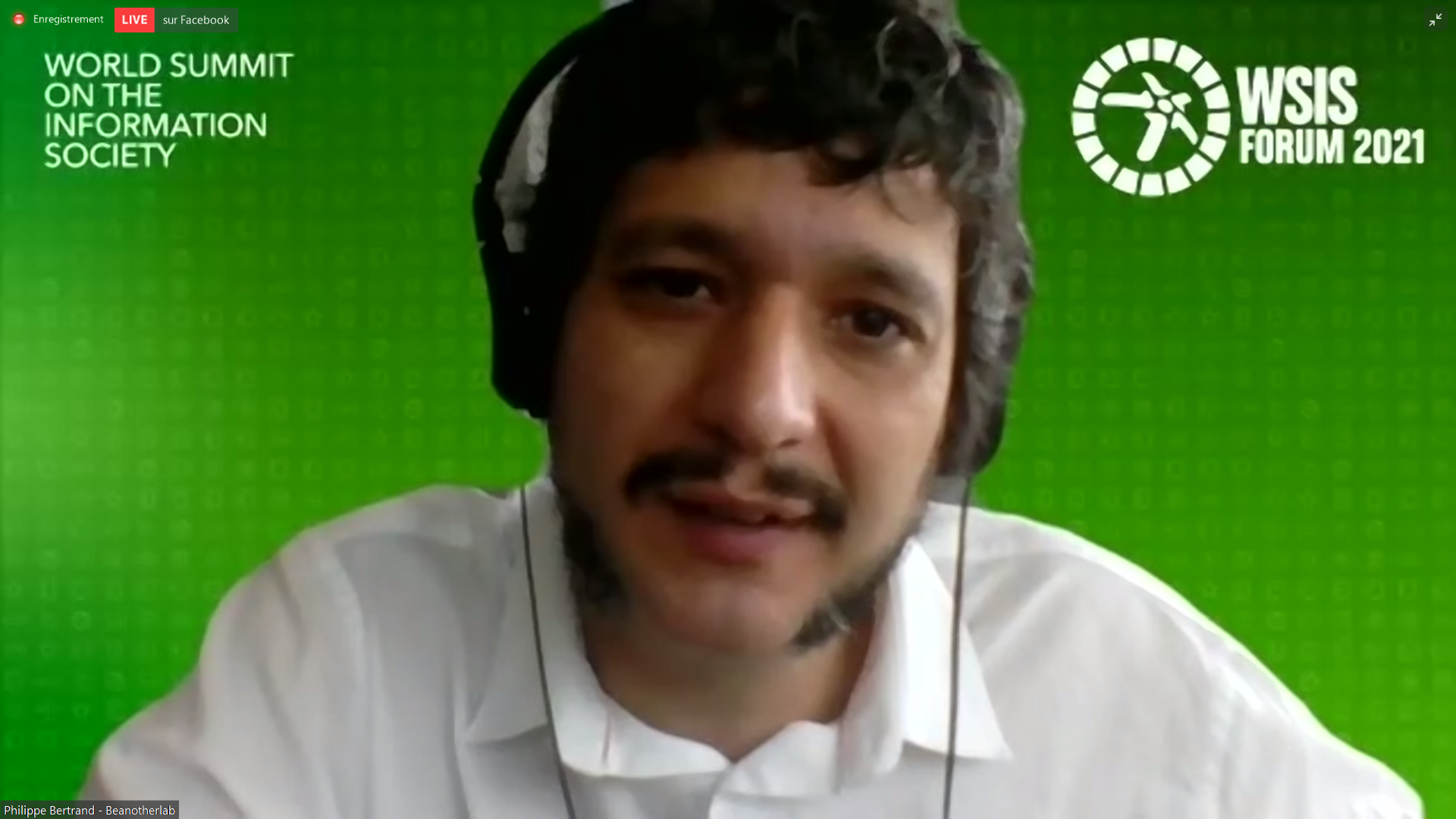
A pioneering interdisciplinary scientist and artist in the field of XR (extended reality) and empathy, Philippe is co-founder of the BeAnotherLab collective, responsible for the creation and implementation of awarded projects (such as TheMachineToBeAnother.org) that combines storytelling, XR (extended reality), and cognitive sciences techniques to create the illusion of being in another person's body in order to foster intergroup empathic capacities. His work has been presented in over 20 countries at arts, academic, education, and social innovation related events. At the CRI, in Paris, he conducted his Ph.D. research on the design and implementation of XR Body Swap pedagogical tools for promoting empathic capacities. In this period, he performed workshops using XR body swaps at mid-high schools to promote empathy towards refugees and migrants, and also designed a pedagogical tool for the Ministry of National Education to support the empathy training of teachers towards students with learning disabilities.
-
 C1. The role of governments and all stakeholders in the promotion of ICTs for development
-
 C3. Access to information and knowledge
-
 C7. ICT applications: benefits in all aspects of life — E-learning
-
 C11. International and regional cooperation
Through this e-learning (C7) workshop, we are facilitating discussions about opportunities and challenges to provide information and knowledge about SDGs (C3) through innovative use of ICTs. The panelists are also expected to present their collaboration with local communities and international stakeholders (C1) and share hands-on approaches that foster social innovation and international cooperation (C11).
-
 Goal 4: Ensure inclusive and equitable quality education and promote lifelong learning opportunities for all
-
 Goal 16: Promote just, peaceful and inclusive societies
-
 Goal 17: Revitalize the global partnership for sustainable development
This session focuses on innovative use of ICTs in the field of SDG education (G4) through global partnerships and multi-stakeholder involvement (G17), to carry out hands-on activities in favour of inclusive quality education and promote sustainable societies (G16).